THE ADVENTURE COLLECTIVE® · Independent discovery and booking for outdoor travel

Spend a half‑day tasting award‑winning wines in the Elgin Valley or Botrivier with a small, private group and direct access to winemakers. Expect cool‑climate sauvignons and pinots, cellar conversation, and a relaxed farm‑to‑table rhythm.
Spend a half‑day tasting award‑winning wines in the Elgin Valley or Botrivier with a small, private group and direct access to winemakers. Expect cool‑climate sauvignons and pinots, cellar conversation, and a relaxed farm‑to‑table rhythm.
Morning light slides across low, vineyard-dotted hills as an air-conditioned minivan threads the quiet farm roads of the Elgin Valley. Aromas of cut grass and ripening grapes follow; tasting rooms open like private theatres where winemakers step out to share stories and samples. This small-group, private tasting route—sometimes routed through the lesser-known Botrivier area—feels like a conversation that moves from vine to bottle.
Verified experiences and guided adventures in the surrounding area.
Operated by Home Grown SA · Elgin, Western Cape
Morning light slides across low, vineyard-dotted hills as an air-conditioned minivan threads the quiet farm roads of the Elgin Valley. Aromas of cut grass and ripening grapes follow; tasting rooms open like private theatres where winemakers step out to share stories and samples. This small-group, private tasting route—sometimes routed through the lesser-known Botrivier area—feels like a conversation that moves from vine to bottle.
The Elgin Valley is a relatively recent star in South African cool-climate viticulture, carved from Paleocene and Cretaceous sandstone with deep, free‑draining soils that favor Sauvignon Blanc and Pinot Noir. The cultural footprint here mixes rural fruit-farming heritage with a modern winemaking ethos: family cellars, experimental ferments and tasting rooms that emphasize provenance. Botrivier, just eastward, offers gentler slopes and pockets of limestone-influenced terroir that shape different flavor profiles.
Expect leisurely farmhouse tastings, chances to meet winemakers, and optional lunch at a local restaurant if time allows. Tasting notes move quickly between citrus-driven sauvignons and nuanced pinots; staff will often demonstrate cellar techniques and discuss sustainable practices. Terrain is low-elevation and easy-footed—short walks and gravel paths between buildings.
Practical guidance: book a pickup point in Cape Town or Grabouw if you need transport, plan for 3–5 hours, and leave space for retail purchases—the farms sell limited small-batch releases. Hydrate between pours, wear comfortable shoes for gravel yards, and bring a lightweight jacket for breezy afternoons. Arrive curious—these tours are as much about people as the wines.
easy.
3–5 hours.
Suitable for most fitness levels; involves short, easy walks between tasting rooms and standing during tastings.
The tour runs approximately 3–5 hours depending on the itinerary, number of tastings and whether lunch is included.
Yes—an air‑conditioned vehicle with pickup is provided; confirm your pickup point when booking (Cape Town, Grabouw, or other local locations).
Many farms and tasting rooms in the region offer accessible areas, but accessibility can vary—check specific site access with the operator before booking.
The route focuses on cool‑climate varieties common to Elgin and Botrivier—Sauvignon Blanc and Pinot Noir are typical, alongside experimental whites and small‑batch reds.
Elgin and Botrivier shifted from traditional fruit farming to cool‑climate viticulture in the late 20th century, building reputations for sauvignon blanc and pinot noir tied to unique valley soils.
The area sits within the Fynbos biome; many estates practice water‑wise viticulture and biodiversity-friendly farming—visitors can support this by avoiding single‑use plastics and buying directly from producers.
Home Grown SA operates guided outdoor trips and adventures with an emphasis on safety, stewardship, and memorable experiences.
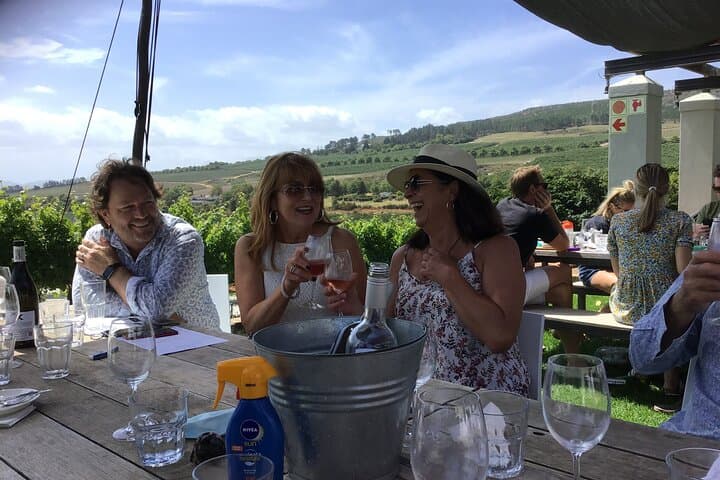
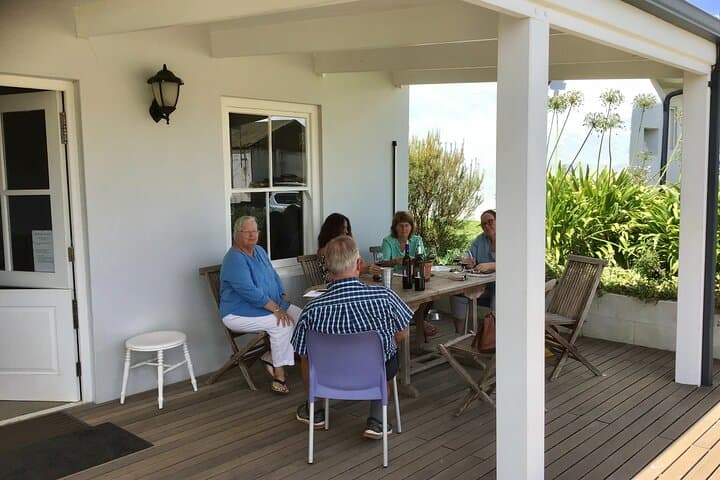
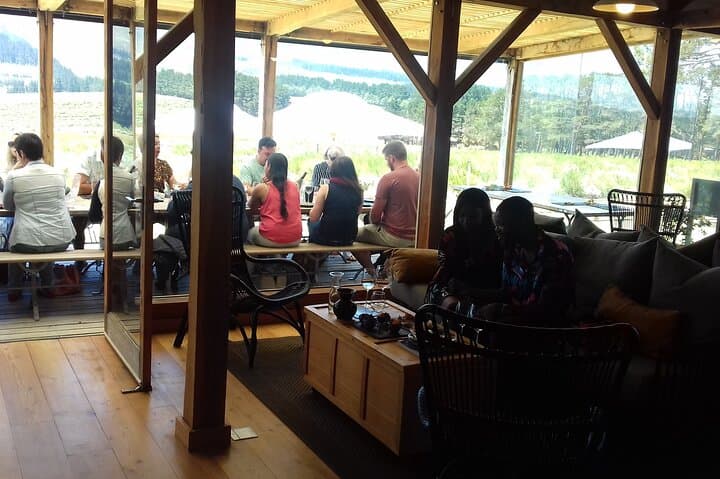
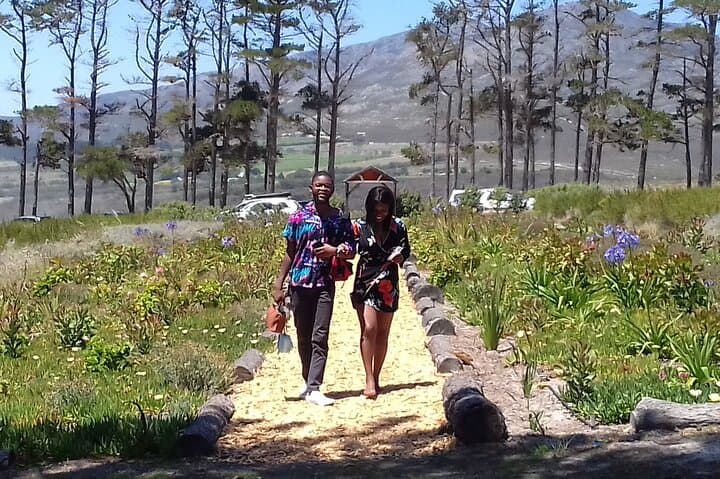
Morning light slides across low, vineyard-dotted hills as an air-conditioned minivan threads the quiet farm roads of the Elgin Valley. Aromas of cut grass and ripening grapes follow; tasting rooms open like private theatres where winemakers step out to share stories and samples. This small-group, private tasting route—sometimes routed through the lesser-known Botrivier area—feels like a conversation that moves from vine to bottle.
Morning light slides across low, vineyard-dotted hills as an air-conditioned minivan threads the quiet farm roads of the Elgin Valley. Aromas of cut grass and ripening grapes follow; tasting rooms open like private theatres where winemakers step out to share stories and samples. This small-group, private tasting route—sometimes routed through the lesser-known Botrivier area—feels like a conversation that moves from vine to bottle.
The Elgin Valley is a relatively recent star in South African cool-climate viticulture, carved from Paleocene and Cretaceous sandstone with deep, free‑draining soils that favor Sauvignon Blanc and Pinot Noir. The cultural footprint here mixes rural fruit-farming heritage with a modern winemaking ethos: family cellars, experimental ferments and tasting rooms that emphasize provenance. Botrivier, just eastward, offers gentler slopes and pockets of limestone-influenced terroir that shape different flavor profiles.
Expect leisurely farmhouse tastings, chances to meet winemakers, and optional lunch at a local restaurant if time allows. Tasting notes move quickly between citrus-driven sauvignons and nuanced pinots; staff will often demonstrate cellar techniques and discuss sustainable practices. Terrain is low-elevation and easy-footed—short walks and gravel paths between buildings.
Practical guidance: book a pickup point in Cape Town or Grabouw if you need transport, plan for 3–5 hours, and leave space for retail purchases—the farms sell limited small-batch releases. Hydrate between pours, wear comfortable shoes for gravel yards, and bring a lightweight jacket for breezy afternoons. Arrive curious—these tours are as much about people as the wines.