THE ADVENTURE COLLECTIVE® · Independent discovery and booking for outdoor travel

Spend 7–8 hours touring four Cape Winelands estates from Cape Town—Tokara, Delaire Graff, Franceschhoek’s Huguenot district, Mont Rochelle and Fairview. This private day tour pairs scenic vineyard drives with tutored tastings and a choice of lunch stops.
Spend 7–8 hours touring four Cape Winelands estates from Cape Town—Tokara, Delaire Graff, Franceschhoek’s Huguenot district, Mont Rochelle and Fairview. This private day tour pairs scenic vineyard drives with tutored tastings and a choice of lunch stops.
A low cloud lifts off the Simonsberg as you roll away from Cape Town, the vehicle humming along the N1 while vineyard rows scan the valley like careful rows of script. By midmorning you’re tasting at Tokara, where southern slopes push sun into Cabernet and Sauvignon Blanc, then moving higher to Delaire Graff’s terraces with views that make the Stellenbosch valley feel like a wide, living map.
Verified experiences and guided adventures in the surrounding area.
Operated by 1st Zulu Safaris · Cape Town, Western Cape
A low cloud lifts off the Simonsberg as you roll away from Cape Town, the vehicle humming along the N1 while vineyard rows scan the valley like careful rows of script. By midmorning you’re tasting at Tokara, where southern slopes push sun into Cabernet and Sauvignon Blanc, then moving higher to Delaire Graff’s terraces with views that make the Stellenbosch valley feel like a wide, living map.
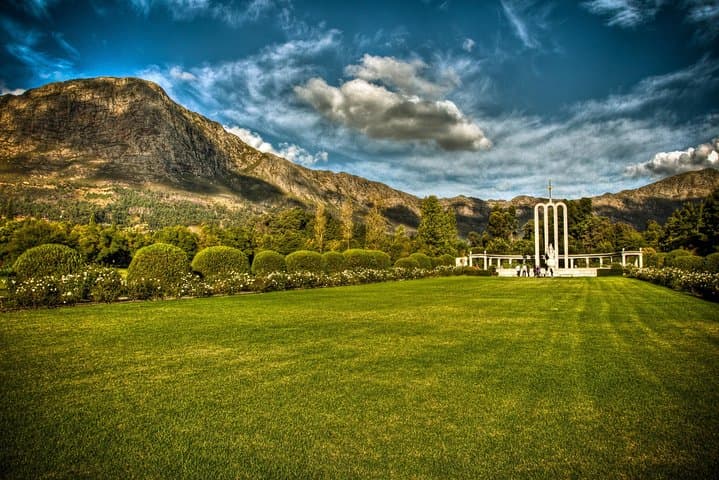
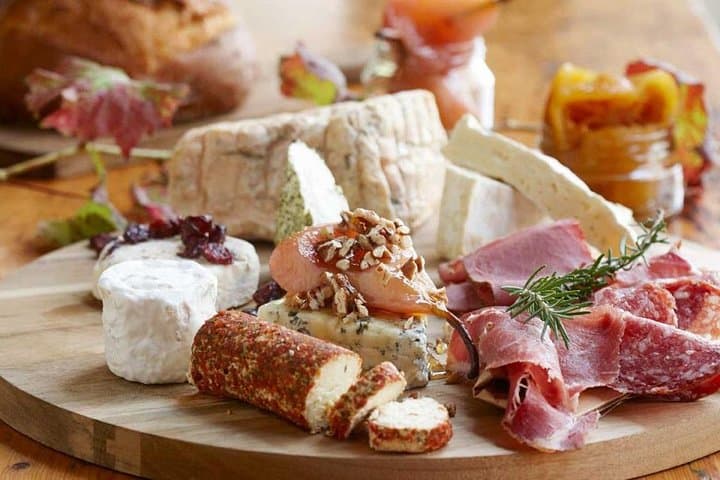
These estates sit on soils laid down by the Cape Fold Belt and drained by seasonal streams; limestone and decomposed granite give structure to wines that the French Huguenots first planted here in the 1680s. Franschhoek’s Huguenot Museum explains that migration and the craft traditions that shaped farmsteads, while Fairview’s cheese-and-wine pairing shows the region’s small-scale agrarian creativity.
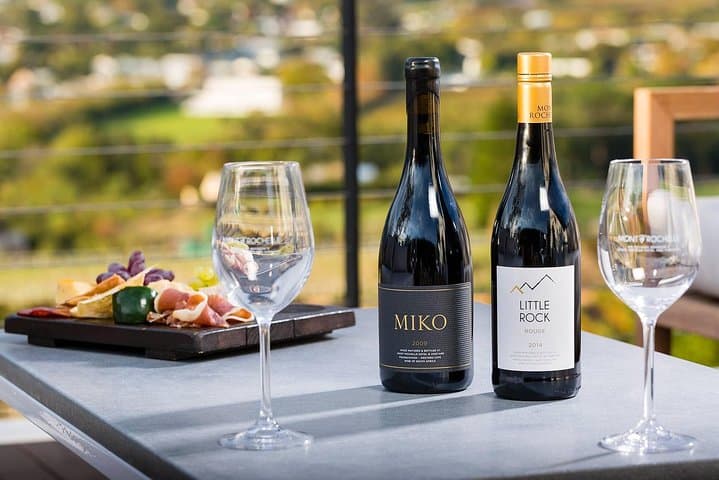
Practically, expect a 7–8 hour private day: short estate walks, seated tutored tastings (4–6 pours at most stops), and options for lunch at Mont Rochelle or Franschhoek. Roads are paved; vineyards can be sloped and sun-exposed—bring layered clothing, sun protection, and a day bag for water and purchases. Tasting fees for four wineries are included; lunch and extra bottles are not. The tour provides wheelchair-accessible transport and can be tailored to visit specific estates.
Pace your palate: sip, note, and spit if you want to keep your wits. Hydrate between flights and plan your return timing to avoid late-afternoon Cape Town traffic. The day is equal parts landscape, history, and careful tasting—an accessible way to read the winelands by glass and by eye.
easy.
7–8 hours.
Suitable for most fitness levels; involves short estate walks and standing during tastings.
Yes—this private tour includes tasting fees at four listed wineries and air-conditioned transport from Cape Town; lunch and additional drinks are extra.
Yes—it's a private tour and participants can request specific estates or adjust timing when booking.
Transportation and surfaces are listed as wheelchair-accessible; confirm any specific mobility needs when booking so accommodations can be arranged.
Tipping is customary for good service; guides typically appreciate 10–15% of the tour cost or a cash tip based on satisfaction.
The Cape Winelands were developed by 17th- and 18th-century European settlers, notably French Huguenots who introduced vine-growing techniques and place names like Franschhoek.
Many estates practice sustainable viticulture and water-conscious farming; ask about organic or biodynamic practices and support wineries that reduce pesticide and water use.
1st Zulu Safaris operates guided outdoor trips and adventures with an emphasis on safety, stewardship, and memorable experiences.
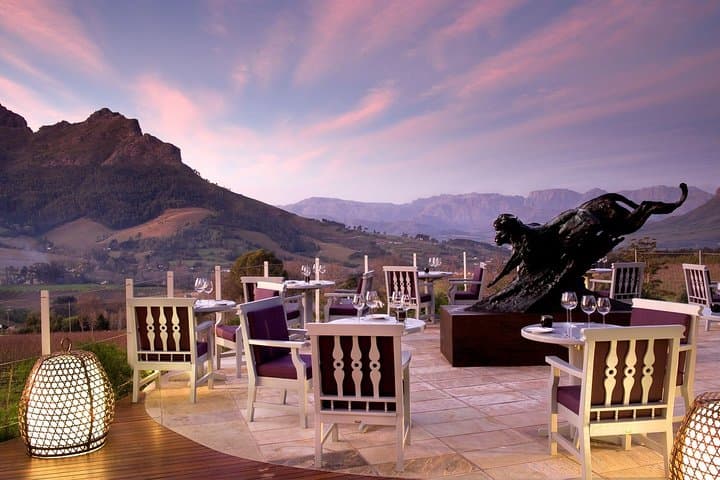
A low cloud lifts off the Simonsberg as you roll away from Cape Town, the vehicle humming along the N1 while vineyard rows scan the valley like careful rows of script. By midmorning you’re tasting at Tokara, where southern slopes push sun into Cabernet and Sauvignon Blanc, then moving higher to Delaire Graff’s terraces with views that make the Stellenbosch valley feel like a wide, living map.
A low cloud lifts off the Simonsberg as you roll away from Cape Town, the vehicle humming along the N1 while vineyard rows scan the valley like careful rows of script. By midmorning you’re tasting at Tokara, where southern slopes push sun into Cabernet and Sauvignon Blanc, then moving higher to Delaire Graff’s terraces with views that make the Stellenbosch valley feel like a wide, living map.
These estates sit on soils laid down by the Cape Fold Belt and drained by seasonal streams; limestone and decomposed granite give structure to wines that the French Huguenots first planted here in the 1680s. Franschhoek’s Huguenot Museum explains that migration and the craft traditions that shaped farmsteads, while Fairview’s cheese-and-wine pairing shows the region’s small-scale agrarian creativity.
Practically, expect a 7–8 hour private day: short estate walks, seated tutored tastings (4–6 pours at most stops), and options for lunch at Mont Rochelle or Franschhoek. Roads are paved; vineyards can be sloped and sun-exposed—bring layered clothing, sun protection, and a day bag for water and purchases. Tasting fees for four wineries are included; lunch and extra bottles are not. The tour provides wheelchair-accessible transport and can be tailored to visit specific estates.
Pace your palate: sip, note, and spit if you want to keep your wits. Hydrate between flights and plan your return timing to avoid late-afternoon Cape Town traffic. The day is equal parts landscape, history, and careful tasting—an accessible way to read the winelands by glass and by eye.