THE ADVENTURE COLLECTIVE® · Independent discovery and booking for outdoor travel

Spend a relaxed day sampling small-batch wines across Willamette Valley sub-AVAs. This private tour blends vineyard walks, tasting-room personalities, and a guided overview of terroir, geology, and local wine history.
Spend a relaxed day sampling small-batch wines across Willamette Valley sub-AVAs. This private tour blends vineyard walks, tasting-room personalities, and a guided overview of terroir, geology, and local wine history.
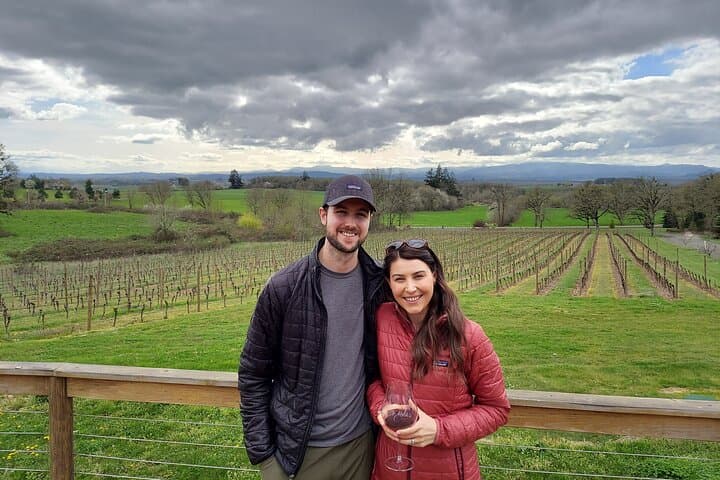
The van eases onto a country road and vines rise like carefully tended lines of green, each row a patient paragraph in the valley's long story. Morning mist clings to low hollows while the hills—Eola-Amity, Dundee, McMinnville—open into sweeping viewpoints where tasting rooms perch and dogs greet visitors at cellar doors. The guide steers conversation toward soil and bottle, letting loam and humidity explain why pinot noir behaves here the way it does.
Verified experiences and guided adventures in the surrounding area.
Operated by Terran Travels · McMinnville, Oregon
The van eases onto a country road and vines rise like carefully tended lines of green, each row a patient paragraph in the valley's long story. Morning mist clings to low hollows while the hills—Eola-Amity, Dundee, McMinnville—open into sweeping viewpoints where tasting rooms perch and dogs greet visitors at cellar doors. The guide steers conversation toward soil and bottle, letting loam and humidity explain why pinot noir behaves here the way it does.
Willamette Valley AVA, formally recognized in the 1980s, sits on ancient Missoula Flood deposits and marine sediment—gravelly, well-draining soils that shape the region’s cool-climate wines. The human history ranges from Indigenous stewardship to 19th-century farms and the modern boutique winery movement; small towns like McMinnville and Carlton supply the cultural backbone—family-run tasting rooms, artisan cheese, and farmers’ markets.
Expect 3–4 tasting rooms across multiple sub-AVAs, leisurely walks through vineyards, and a sit-down lunch. Tastings are selected to show terroir contrast: volcanic and sedimentary soils, varied clonal pinots, and experimental whites. Logistics are straightforward—private group, air-conditioned vehicle, bottled water and snacks provided; tasting fees are typically paid on site.
Practical edge: bring valid ID (21+), dress in layers for cool mornings and warm afternoons, and wear comfortable shoes for gravel and cellar steps. Pace the tasting—spit bucket or small pours are common. The tour suits travelers who want relaxed immersion in vineyard landscapes and wine personalities without strenuous effort.
easy.
6–7 hours.
Suitable for most fitness levels—some standing and short vineyard walks over gravel or uneven ground.
No—tasting fees are typically paid at each winery. The guide can sometimes arrange waived fees if you purchase bottles.
Pickup location is arranged at booking; many groups are collected from central towns in the valley or from Portland with prearranged pickup points.
The tour is family-friendly in pace, but it is not recommended for pregnant travelers; children can ride but cannot participate in tastings.
Service animals are allowed; most wineries limit pets to service animals—check with the operator and individual tasting rooms in advance.
Willamette Valley AVA was formally established in the 1980s; its modern wine industry grew from small family vineyards that leveraged cool-climate conditions ideal for pinot noir.
Many wineries in the valley practice sustainable viticulture, organic farming, and water-conservation measures—visitors are encouraged to support producers that minimize environmental impact.
Terran Travels operates guided outdoor trips and adventures with an emphasis on safety, stewardship, and memorable experiences.
The van eases onto a country road and vines rise like carefully tended lines of green, each row a patient paragraph in the valley's long story. Morning mist clings to low hollows while the hills—Eola-Amity, Dundee, McMinnville—open into sweeping viewpoints where tasting rooms perch and dogs greet visitors at cellar doors. The guide steers conversation toward soil and bottle, letting loam and humidity explain why pinot noir behaves here the way it does.
The van eases onto a country road and vines rise like carefully tended lines of green, each row a patient paragraph in the valley's long story. Morning mist clings to low hollows while the hills—Eola-Amity, Dundee, McMinnville—open into sweeping viewpoints where tasting rooms perch and dogs greet visitors at cellar doors. The guide steers conversation toward soil and bottle, letting loam and humidity explain why pinot noir behaves here the way it does.
Willamette Valley AVA, formally recognized in the 1980s, sits on ancient Missoula Flood deposits and marine sediment—gravelly, well-draining soils that shape the region’s cool-climate wines. The human history ranges from Indigenous stewardship to 19th-century farms and the modern boutique winery movement; small towns like McMinnville and Carlton supply the cultural backbone—family-run tasting rooms, artisan cheese, and farmers’ markets.
Expect 3–4 tasting rooms across multiple sub-AVAs, leisurely walks through vineyards, and a sit-down lunch. Tastings are selected to show terroir contrast: volcanic and sedimentary soils, varied clonal pinots, and experimental whites. Logistics are straightforward—private group, air-conditioned vehicle, bottled water and snacks provided; tasting fees are typically paid on site.
Practical edge: bring valid ID (21+), dress in layers for cool mornings and warm afternoons, and wear comfortable shoes for gravel and cellar steps. Pace the tasting—spit bucket or small pours are common. The tour suits travelers who want relaxed immersion in vineyard landscapes and wine personalities without strenuous effort.