THE ADVENTURE COLLECTIVE® · Independent discovery and booking for outdoor travel

Escape Dublin for a private day trip through the Wicklow Mountains to Glendalough’s monastic valley and the formal gardens of Powerscourt. This seven-hour tour combines easy walks, geological scenery and a taste of rural Irish life.
Escape Dublin for a private day trip through the Wicklow Mountains to Glendalough’s monastic valley and the formal gardens of Powerscourt. This seven-hour tour combines easy walks, geological scenery and a taste of rural Irish life.
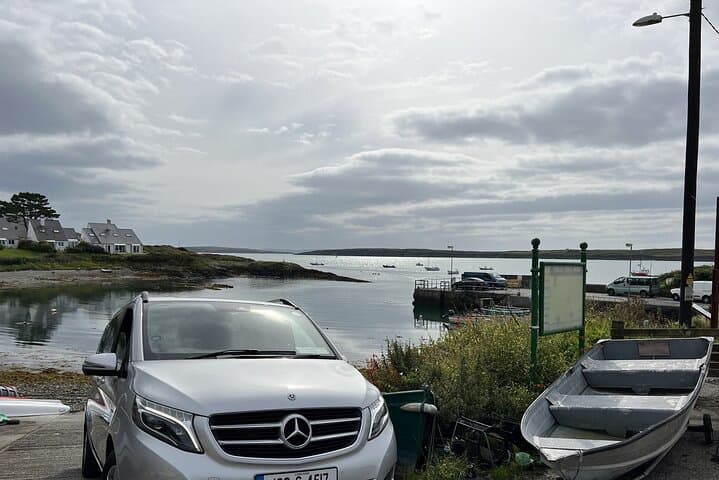
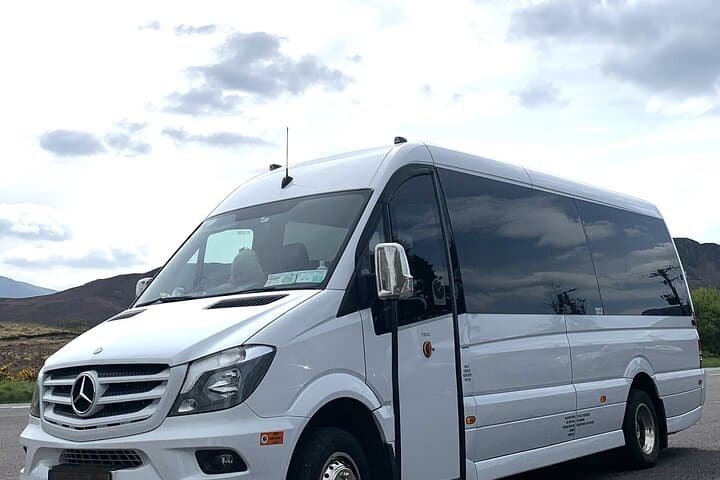
A gray Dublin morning loosens its grip as the private minivan steers south toward the Wicklow Mountains, hills rising like folded green waves between hedgerows. Within an hour the city’s grammar of streets gives way to open valley: sheep on stone walls, peat-hued streams that dare you to slow down, and the narrow road that leads into Glendalough’s twin lakes.
Verified experiences and guided adventures in the surrounding area.
Operated by Your Irish Tour · Glendalough, County Wicklow
A gray Dublin morning loosens its grip as the private minivan steers south toward the Wicklow Mountains, hills rising like folded green waves between hedgerows. Within an hour the city’s grammar of streets gives way to open valley: sheep on stone walls, peat-hued streams that dare you to slow down, and the narrow road that leads into Glendalough’s twin lakes.
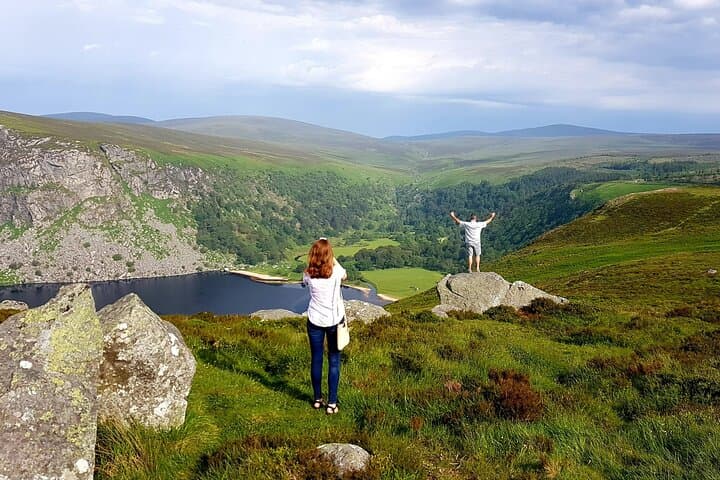
Glendalough’s monastic site—founded by St. Kevin in the 6th century—sits beside dark waters and a round tower that watches the valley. The hollowed bowl of the valley is a glacial feature carved at the end of the last Ice Age; granite and schist outcrops puncture heath and blanket bog while streams cut clear lines toward the lakes. A short network of trails (most walks around the Upper and Lower Lakes total about 3–5 km) offers both easy promenades and steeper hillside paths with sweeping views.
Later the tour visits Powerscourt: an estate of formal terraces, Italianate fountains and expansive lawns, with waterfall country close by—landscape shaped by both human design and the geology that funnels water through narrow gorges.
Practical guidance: expect roughly 7 hours total, with two main stops for walking and photo time. Paths vary from paved garden promenades to rough mountain tracks; pack a waterproof jacket, sturdy shoes and a refillable water bottle. Weather shifts quickly—layers and good traction are essential. If you want quieter moments, ask your guide for lesser-used outlooks at Glendalough and a stop at a local pub for a dram before returning to Dublin.
easy.
7 hours.
Suitable for most fitness levels; participants should be comfortable walking 3–5 km with occasional uneven surfaces.
The tour is approximately seven hours; expect around 90–120 minutes at Glendalough for walking and photography and about 60–90 minutes at Powerscourt for gardens and terraces, plus driving and short stops.
The tour is family-friendly and has options for shorter, flat walks; however some trails are uneven—notify the operator in advance for accessibility arrangements.
Inclusions vary by operator—check your booking details; public sites like Glendalough’s monastic ruins are generally free, but Powerscourt Gardens often charges admission and food/drink is typically extra.
Wear layered clothing, waterproof outerwear and sturdy shoes; bring a refillable water bottle, camera and any personal medications.
Glendalough was a major early medieval monastic settlement founded by St. Kevin in the 6th century; many surviving ruins date from the 10th–12th centuries.
The Wicklow Mountains are a protected National Park and Special Area of Conservation—stick to paths to limit erosion and respect private farmland.
Your Irish Tour operates guided outdoor trips and adventures with an emphasis on safety, stewardship, and memorable experiences.

A gray Dublin morning loosens its grip as the private minivan steers south toward the Wicklow Mountains, hills rising like folded green waves between hedgerows. Within an hour the city’s grammar of streets gives way to open valley: sheep on stone walls, peat-hued streams that dare you to slow down, and the narrow road that leads into Glendalough’s twin lakes.
A gray Dublin morning loosens its grip as the private minivan steers south toward the Wicklow Mountains, hills rising like folded green waves between hedgerows. Within an hour the city’s grammar of streets gives way to open valley: sheep on stone walls, peat-hued streams that dare you to slow down, and the narrow road that leads into Glendalough’s twin lakes.
Glendalough’s monastic site—founded by St. Kevin in the 6th century—sits beside dark waters and a round tower that watches the valley. The hollowed bowl of the valley is a glacial feature carved at the end of the last Ice Age; granite and schist outcrops puncture heath and blanket bog while streams cut clear lines toward the lakes. A short network of trails (most walks around the Upper and Lower Lakes total about 3–5 km) offers both easy promenades and steeper hillside paths with sweeping views.
Later the tour visits Powerscourt: an estate of formal terraces, Italianate fountains and expansive lawns, with waterfall country close by—landscape shaped by both human design and the geology that funnels water through narrow gorges.
Practical guidance: expect roughly 7 hours total, with two main stops for walking and photo time. Paths vary from paved garden promenades to rough mountain tracks; pack a waterproof jacket, sturdy shoes and a refillable water bottle. Weather shifts quickly—layers and good traction are essential. If you want quieter moments, ask your guide for lesser-used outlooks at Glendalough and a stop at a local pub for a dram before returning to Dublin.