THE ADVENTURE COLLECTIVE® · Independent discovery and booking for outdoor travel

Spend a day from Dublin exploring Wicklow’s dramatic ridgelines, Glendalough’s monastic ruins, Lough Tay’s pint-shaped shore and Powerscourt’s waterfall and estate. This private tour packs geography, film history and short walks into a single, scenic loop.
Spend a day from Dublin exploring Wicklow’s dramatic ridgelines, Glendalough’s monastic ruins, Lough Tay’s pint-shaped shore and Powerscourt’s waterfall and estate. This private tour packs geography, film history and short walks into a single, scenic loop.
The coach drops you onto a narrow mountain road and the air changes — cooler, peat-scented, with hills folding away in slate and green. On an eight-hour loop from Dublin you move between ruined monasteries, a pint-shaped lake rimmed in white sand, the ragged horizon of Sally Gap and the hush of Ireland’s tallest waterfall. It feels cinematic because it often is: Vikings and major films have used these backdrops, but the landscape holds its own, indifferent to cameras.
Verified experiences and guided adventures in the surrounding area.
Operated by Luxury Private Chauffeur tours from Dublin · Glendalough, County Wicklow
The coach drops you onto a narrow mountain road and the air changes — cooler, peat-scented, with hills folding away in slate and green. On an eight-hour loop from Dublin you move between ruined monasteries, a pint-shaped lake rimmed in white sand, the ragged horizon of Sally Gap and the hush of Ireland’s tallest waterfall. It feels cinematic because it often is: Vikings and major films have used these backdrops, but the landscape holds its own, indifferent to cameras.
Wicklow’s story is carved by glaciers and centuries of settlement. The glacial corries that hold Lough Tay contrast with the human traces at Glendalough, a 6th-century monastic foundation whose round tower and medieval graves tell of an island of learning turned pilgrim site. Powerscourt Estate records the later landed-gentry era and now houses gardens and a distillery that tie pastoral history to contemporary craft.
Geology here is mostly dark schist and granite overlain by peat and blanket bog — expect boggy hummocks off-trail and crisp scree on steeper approaches. Local culture is farming and small craft: pubs, estate kitchens and a growing whiskey scene. Guides read the land like a map, pointing out watershed lines and old drove roads.
Practical notes: the day is vehicle-led with short walks (10–40 minutes) at viewpoints. Bring layered waterproofs, sturdy walking shoes, and a charged camera; weather flips fast. Timings are tight if you want longer at Powerscourt or Glendalough, so plan priorities before you board. Early starts and midweek visits reduce crowds; leave no trace and respect private estate boundaries.
easy.
8 hours.
Suitable for most fitness levels; able to manage short uphill walks and uneven ground for 10–40 minutes at a time.
The tour runs about 8 hours, typically departing and returning to Dublin within the same day.
Some attractions like Powerscourt Gardens and Waterfall may have separate admission; check the tour inclusions and bring payment if required.
Yes; the operator notes stroller access and infant seats are available, and walks are short and manageable.
Tours run in most weather conditions, but extreme or unsafe conditions could prompt rescheduling; check the cancellation policy for details.
Wicklow’s monastic centers, notably Glendalough, trace back to the 6th century and were major ecclesiastical sites before Norman and later English influence reshaped landholding and settlement.
Blanket bog and upland habitats are sensitive; stick to paths to prevent erosion and avoid disturbing nesting birds and grazing stock.
Luxury Private Chauffeur tours from Dublin operates guided outdoor trips and adventures with an emphasis on safety, stewardship, and memorable experiences.

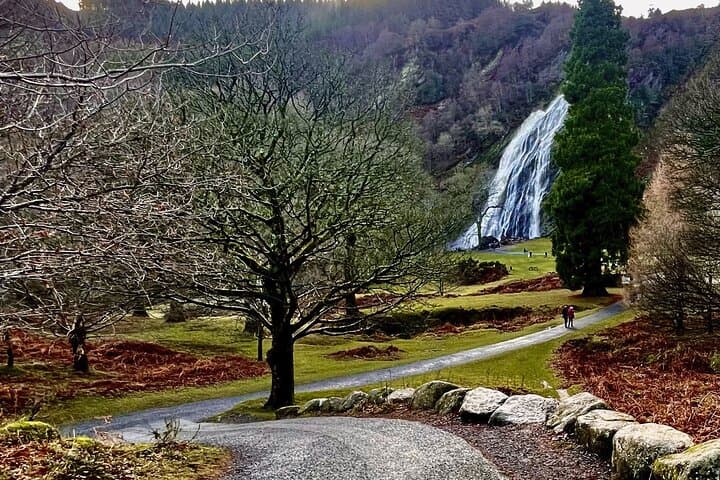


The coach drops you onto a narrow mountain road and the air changes — cooler, peat-scented, with hills folding away in slate and green. On an eight-hour loop from Dublin you move between ruined monasteries, a pint-shaped lake rimmed in white sand, the ragged horizon of Sally Gap and the hush of Ireland’s tallest waterfall. It feels cinematic because it often is: Vikings and major films have used these backdrops, but the landscape holds its own, indifferent to cameras.
The coach drops you onto a narrow mountain road and the air changes — cooler, peat-scented, with hills folding away in slate and green. On an eight-hour loop from Dublin you move between ruined monasteries, a pint-shaped lake rimmed in white sand, the ragged horizon of Sally Gap and the hush of Ireland’s tallest waterfall. It feels cinematic because it often is: Vikings and major films have used these backdrops, but the landscape holds its own, indifferent to cameras.
Wicklow’s story is carved by glaciers and centuries of settlement. The glacial corries that hold Lough Tay contrast with the human traces at Glendalough, a 6th-century monastic foundation whose round tower and medieval graves tell of an island of learning turned pilgrim site. Powerscourt Estate records the later landed-gentry era and now houses gardens and a distillery that tie pastoral history to contemporary craft.
Geology here is mostly dark schist and granite overlain by peat and blanket bog — expect boggy hummocks off-trail and crisp scree on steeper approaches. Local culture is farming and small craft: pubs, estate kitchens and a growing whiskey scene. Guides read the land like a map, pointing out watershed lines and old drove roads.
Practical notes: the day is vehicle-led with short walks (10–40 minutes) at viewpoints. Bring layered waterproofs, sturdy walking shoes, and a charged camera; weather flips fast. Timings are tight if you want longer at Powerscourt or Glendalough, so plan priorities before you board. Early starts and midweek visits reduce crowds; leave no trace and respect private estate boundaries.