THE ADVENTURE COLLECTIVE® · Independent discovery and booking for outdoor travel

Walk Wicker Park and Bucktown with a local guide who knows the buildings, the backstories and the best local bites. Choose a brisk 2.5-mile route with Bucktown or a slower 1.5-mile Wicker Park-only option.
Walk Wicker Park and Bucktown with a local guide who knows the buildings, the backstories and the best local bites. Choose a brisk 2.5-mile route with Bucktown or a slower 1.5-mile Wicker Park-only option.
You step off the elevated train and the city shifts: storefronts hum, murals stare back, and Milwaukee Avenue angles past a row of brick houses with carved stone facades.
Verified experiences and guided adventures in the surrounding area.
Operated by Nick's Chitown Tours · Chicago, Illinois
You step off the elevated train and the city shifts: storefronts hum, murals stare back, and Milwaukee Avenue angles past a row of brick houses with carved stone facades.
This private walking tour threads 1.5–2.5 miles through Wicker Park and optional Bucktown, neighborhoods that grew from 19th-century immigrant enclaves into industrial blocks and, more recently, creative, food-forward communities. Chicago’s flat lakeplain—laid down by glaciers and the slow work of Lake Michigan—makes for easy streets and long sightlines; the built environment tells the rest of the story in churches, courtyard alleys and beer baron mansions.
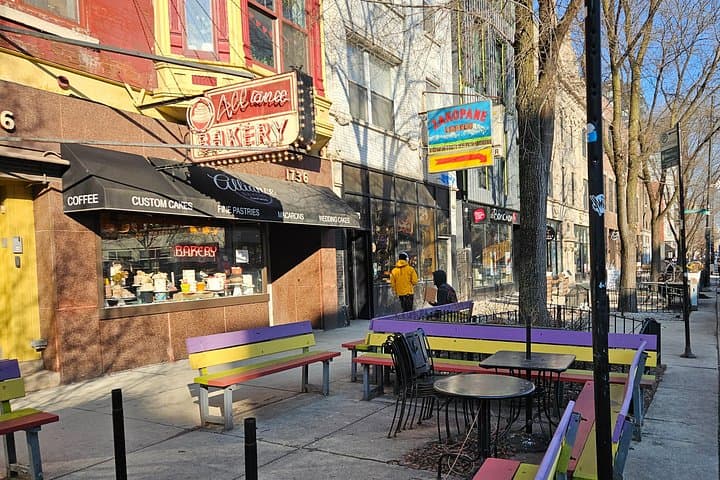
Expect local color: Polish bakeries turned coffee shops, converted factories now hosting galleries, and the 606—an elevated rail-trail that offers a linear greenway above traffic. Guides point out St. Mary of the Angels’ ornate interior, discuss waves of migration and gentrification, and drop short stories about Prohibition-era bars like Lottie’s Pub.
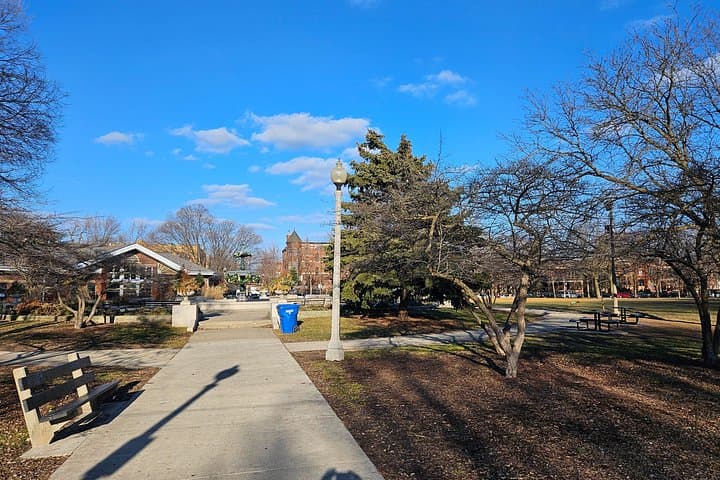
Practically, choose the faster 2.5-mile option if you want Bucktown’s boutiques; pick the 1.5-mile for a slower, more interpretive Wicker Park walk. The route is wheelchair- and stroller-accessible on main stretches, but some older sidewalks can be uneven. Wear supportive shoes, bring a transit card, and plan for a mix of indoor stops and outdoor strolling. Midday light is best for photos; weekday mornings are quieter. In short: an urban walk with neighborhood history, local lore, and pockets of green—easy distance, rich detail.
moderate.
2–3 hours.
Moderate fitness; suitable for people comfortable walking 1.5–2.5 miles with short standing stops
The tour lasts about 150 minutes; choose the Wicker Park-only route (~1.5 miles) or the Wicker Park + Bucktown option (~2.5 miles).
Main drags and much of the 606 are accessible, but some older residential sidewalks and curb cuts can be uneven—notify the operator of accessibility needs when booking.
Yes. The guide can pause at cafés, bakeries and pubs along the route—bring cash or card for purchases and let the guide know dietary needs in advance.
Full refund if canceled at least 24 hours before the scheduled departure; check the booking confirmation for specifics on manual confirmations and weather-related cancellations.
Wicker Park and Bucktown grew in the late 19th and early 20th centuries as immigrant neighborhoods, later shifting through industrial decline to become centers for artists and small businesses.
The 606 conversion reused an old rail corridor to create green space; visitors are encouraged to stay on paths, pack out trash and support neighborhood businesses to maintain local stewardship.
Nick's Chitown Tours operates guided outdoor trips and adventures with an emphasis on safety, stewardship, and memorable experiences.
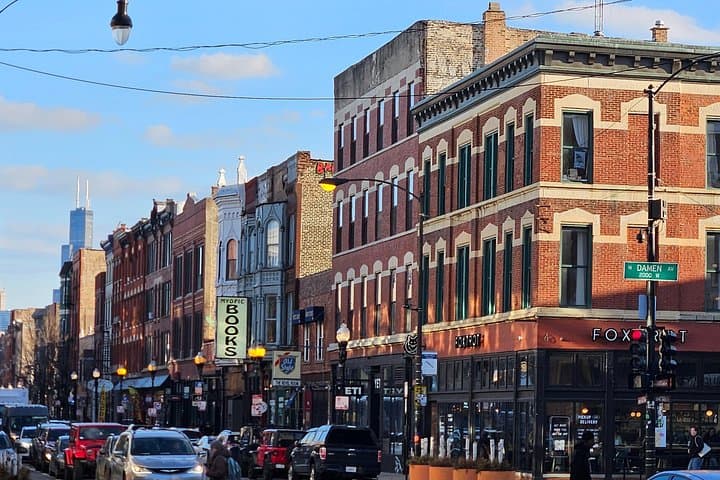
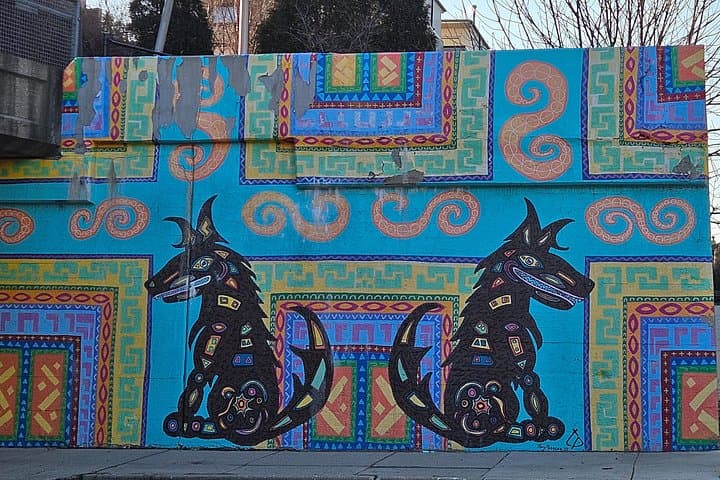
You step off the elevated train and the city shifts: storefronts hum, murals stare back, and Milwaukee Avenue angles past a row of brick houses with carved stone facades.
You step off the elevated train and the city shifts: storefronts hum, murals stare back, and Milwaukee Avenue angles past a row of brick houses with carved stone facades.
This private walking tour threads 1.5–2.5 miles through Wicker Park and optional Bucktown, neighborhoods that grew from 19th-century immigrant enclaves into industrial blocks and, more recently, creative, food-forward communities. Chicago’s flat lakeplain—laid down by glaciers and the slow work of Lake Michigan—makes for easy streets and long sightlines; the built environment tells the rest of the story in churches, courtyard alleys and beer baron mansions.
Expect local color: Polish bakeries turned coffee shops, converted factories now hosting galleries, and the 606—an elevated rail-trail that offers a linear greenway above traffic. Guides point out St. Mary of the Angels’ ornate interior, discuss waves of migration and gentrification, and drop short stories about Prohibition-era bars like Lottie’s Pub.
Practically, choose the faster 2.5-mile option if you want Bucktown’s boutiques; pick the 1.5-mile for a slower, more interpretive Wicker Park walk. The route is wheelchair- and stroller-accessible on main stretches, but some older sidewalks can be uneven. Wear supportive shoes, bring a transit card, and plan for a mix of indoor stops and outdoor strolling. Midday light is best for photos; weekday mornings are quieter. In short: an urban walk with neighborhood history, local lore, and pockets of green—easy distance, rich detail.