THE ADVENTURE COLLECTIVE® · Independent discovery and booking for outdoor travel

A private three-hour tour that threads Whistler’s lakes, Olympic venues, Indigenous cultural sites, and local artisan corners into one compact, photo-friendly loop. Ideal for travelers who want local context, wildlife possibilities, and flexible stops.
A private three-hour tour that threads Whistler’s lakes, Olympic venues, Indigenous cultural sites, and local artisan corners into one compact, photo-friendly loop. Ideal for travelers who want local context, wildlife possibilities, and flexible stops.
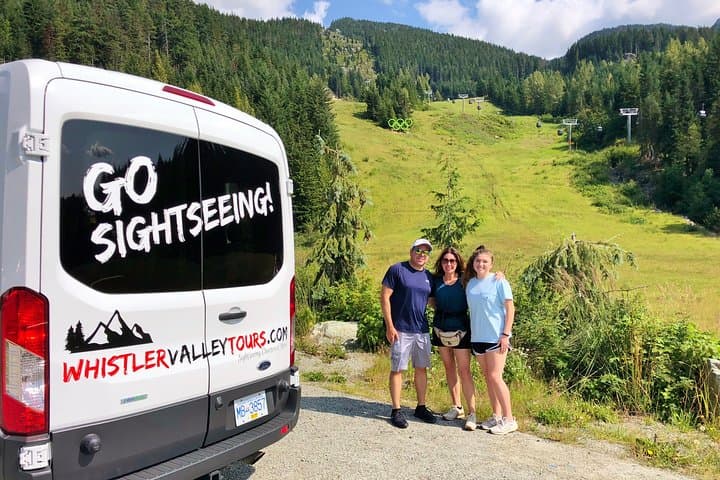
You step out of the village’s hum and into a cooler draft off the alpine slopes; the guide shuts the van door and the valley opens like a map. Rivers push at the roadside walls, daring you to follow them upstream. In 180 minutes the private tour unspools through the whole Whistler Valley—lost lakes and glacial-green basins, Olympic venues that still breathe with competition, and low-key artisan pockets where locals gather after a long run. The rhythm is gentle but full: short walks, picture stops, and the kind of local commentary that turns a view into a story.
Verified experiences and guided adventures in the surrounding area.
Operated by Whistler Valley Tours · Whistler, British Columbia
You step out of the village’s hum and into a cooler draft off the alpine slopes; the guide shuts the van door and the valley opens like a map. Rivers push at the roadside walls, daring you to follow them upstream. In 180 minutes the private tour unspools through the whole Whistler Valley—lost lakes and glacial-green basins, Olympic venues that still breathe with competition, and low-key artisan pockets where locals gather after a long run. The rhythm is gentle but full: short walks, picture stops, and the kind of local commentary that turns a view into a story.
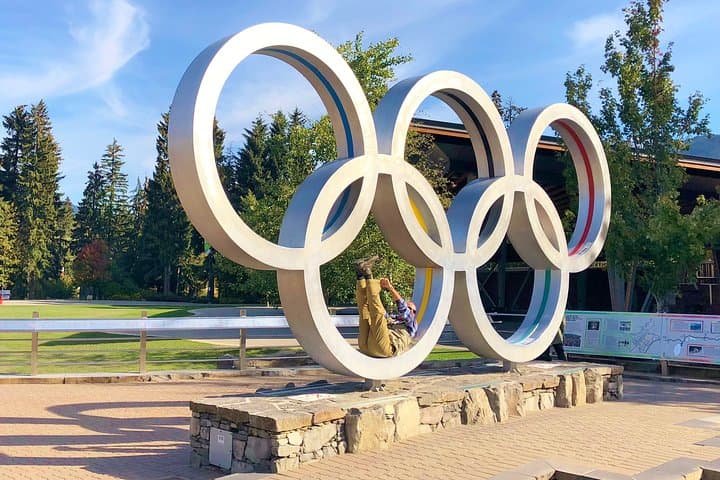
The Coast Mountains here are young and sharp, carved by glaciers that still feed the turquoise lakes. Whistler’s modern identity — a global ski town and summer outdoor mecca — is layered over a much older human story. The Squamish and Lil'wat Nations have lived in and traveled through these valleys for millennia; the Squamish Lil'wat Cultural Centre on the route offers context and a chance to meet contemporary Indigenous artists and storytellers. The 2010 Olympics left physical traces — sliding tracks and athlete housing — that the tour uses as narrative anchors to explain how a remote alpine hamlet became a world-class resort.
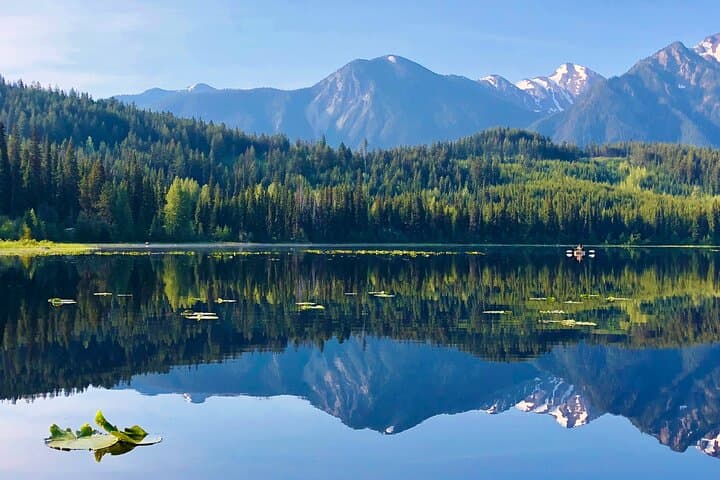
You’ll drive past Rainbow Park on Alta Lake where the first homesteads clustered, linger at Green Lake to watch the glacier-fed surface spill light like liquid glass, and learn how the Cheakamus River shaped trail networks and local industry. Function Junction gives the tour a human scale: craft breweries, bakeries and galleries where mountain culture shows itself in small, useful things — a hand-forged tool, a locally roasted coffee, a postcard-perfect pint.
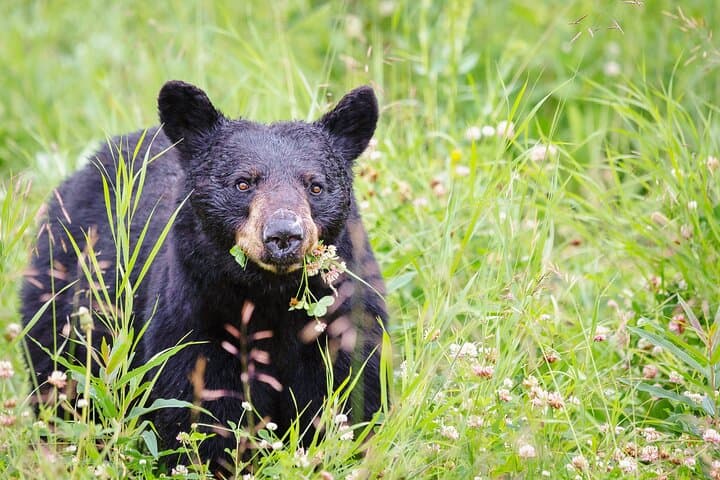
Wildlife can punctuate the route. Guides scan tree-lines and rock bluffs for eagles, and in summer you may catch sight of a black bear edging through alder. Every stop is paced for photographs and mid-hike orientation; the guide will offer options to stay longer at cultural sites like the Cultural Centre or disembark at the Olympic Plaza.
Practical guidance: the tour runs roughly three hours and works for most fitness levels — expect a few short, level walks and standing to take photos. Bring a waterproof layer, sturdy shoes, and a camera with a polarizing filter for the lakes. If you want to get off the bus and explore one of the neighborhoods longer, tell your guide at booking: the tour is private and flexible within the set itinerary. For summer, plan early in the day to avoid peak crowds and to catch the best light on the water; in shoulder seasons, pack warmer layers and expect shorter daylight. This is a concentrated way to read the valley — its geology, its recent Olympic history, and the local rhythms that make Whistler more than a postcard.
easy.
3 hours.
Suitable for most fitness levels; requires short, flat walks and standing for photo stops.
The tour begins and ends at the Whistler Gondola Transit Exchange in Whistler Village; private pickup within 6 km of Whistler is available by arrangement.
Yes—this private tour allows optional drop-offs (for example at the Squamish Lil'wat Cultural Centre or Olympic Plaza); notify your guide or book extra time if you plan to stay longer.
Wildlife sightings (bald eagles, black bears, waterfowl) are common in warmer months but never guaranteed; guides monitor habitats and will stop when sightings occur.
The tour is stroller-accessible and accommodates most mobility levels, but short standing and level walks are included—contact the supplier if you require specific assistance.
Full refunds are available if you cancel at least 24 hours before departure; cancellations within 24 hours are not refundable.
Bottled water and private transportation are included; food and entry fees to attractions like the Squamish Lil'wat Cultural Centre are not included unless specified.
Whistler grew from homesteads on Alta Lake and early ski operations at Creekside into an international resort, with rapid expansion around the 2010 Winter Olympics.
Local operators emphasize Leave No Trace and wildlife safety; keep distance from animals and follow guide instructions to minimize disturbance.
Whistler Valley Tours operates guided outdoor trips and adventures with an emphasis on safety, stewardship, and memorable experiences.
You step out of the village’s hum and into a cooler draft off the alpine slopes; the guide shuts the van door and the valley opens like a map. Rivers push at the roadside walls, daring you to follow them upstream. In 180 minutes the private tour unspools through the whole Whistler Valley—lost lakes and glacial-green basins, Olympic venues that still breathe with competition, and low-key artisan pockets where locals gather after a long run. The rhythm is gentle but full: short walks, picture stops, and the kind of local commentary that turns a view into a story.
You step out of the village’s hum and into a cooler draft off the alpine slopes; the guide shuts the van door and the valley opens like a map. Rivers push at the roadside walls, daring you to follow them upstream. In 180 minutes the private tour unspools through the whole Whistler Valley—lost lakes and glacial-green basins, Olympic venues that still breathe with competition, and low-key artisan pockets where locals gather after a long run. The rhythm is gentle but full: short walks, picture stops, and the kind of local commentary that turns a view into a story.
The Coast Mountains here are young and sharp, carved by glaciers that still feed the turquoise lakes. Whistler’s modern identity — a global ski town and summer outdoor mecca — is layered over a much older human story. The Squamish and Lil'wat Nations have lived in and traveled through these valleys for millennia; the Squamish Lil'wat Cultural Centre on the route offers context and a chance to meet contemporary Indigenous artists and storytellers. The 2010 Olympics left physical traces — sliding tracks and athlete housing — that the tour uses as narrative anchors to explain how a remote alpine hamlet became a world-class resort.
You’ll drive past Rainbow Park on Alta Lake where the first homesteads clustered, linger at Green Lake to watch the glacier-fed surface spill light like liquid glass, and learn how the Cheakamus River shaped trail networks and local industry. Function Junction gives the tour a human scale: craft breweries, bakeries and galleries where mountain culture shows itself in small, useful things — a hand-forged tool, a locally roasted coffee, a postcard-perfect pint.
Wildlife can punctuate the route. Guides scan tree-lines and rock bluffs for eagles, and in summer you may catch sight of a black bear edging through alder. Every stop is paced for photographs and mid-hike orientation; the guide will offer options to stay longer at cultural sites like the Cultural Centre or disembark at the Olympic Plaza.
Practical guidance: the tour runs roughly three hours and works for most fitness levels — expect a few short, level walks and standing to take photos. Bring a waterproof layer, sturdy shoes, and a camera with a polarizing filter for the lakes. If you want to get off the bus and explore one of the neighborhoods longer, tell your guide at booking: the tour is private and flexible within the set itinerary. For summer, plan early in the day to avoid peak crowds and to catch the best light on the water; in shoulder seasons, pack warmer layers and expect shorter daylight. This is a concentrated way to read the valley — its geology, its recent Olympic history, and the local rhythms that make Whistler more than a postcard.