THE ADVENTURE COLLECTIVE® · Independent discovery and booking for outdoor travel

A private day trip from Seattle that combines ferry crossings, bluff hikes, a 1,273-foot summit view from Mt. Erie, and a tour of Fort Casey and Coupeville. Expect tidepools, sweeping Sound vistas, and a flexible itinerary tailored to your interests.
A private day trip from Seattle that combines ferry crossings, bluff hikes, a 1,273-foot summit view from Mt. Erie, and a tour of Fort Casey and Coupeville. Expect tidepools, sweeping Sound vistas, and a flexible itinerary tailored to your interests.
The morning starts on water: the ferry’s engines hum and gulls wheel as Seattle shrinks behind you and the Salish Sea opens. Salt spray mists the windows of an air-conditioned van while a local guide sketches the day—rocky bluffs, a 1,273-foot lookout, a century-old coastal fort, and a wharf town where the past still smells faintly of shellfish and diesel.
Verified experiences and guided adventures in the surrounding area.
Operated by Washington Excursions · Coupeville, Washington
The morning starts on water: the ferry’s engines hum and gulls wheel as Seattle shrinks behind you and the Salish Sea opens. Salt spray mists the windows of an air-conditioned van while a local guide sketches the day—rocky bluffs, a 1,273-foot lookout, a century-old coastal fort, and a wharf town where the past still smells faintly of shellfish and diesel.
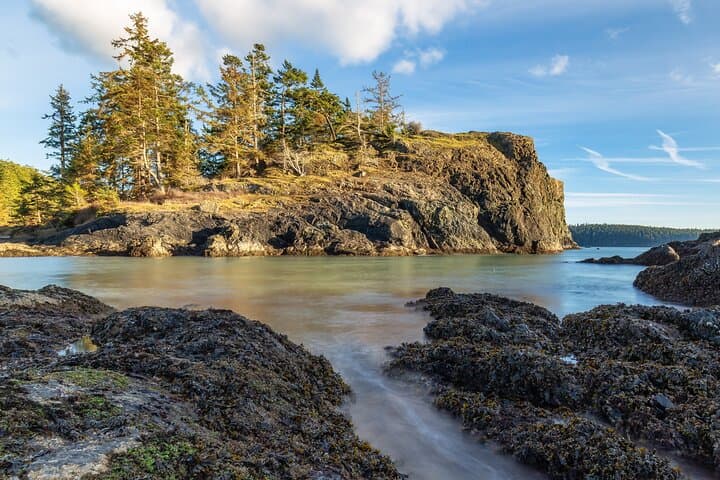
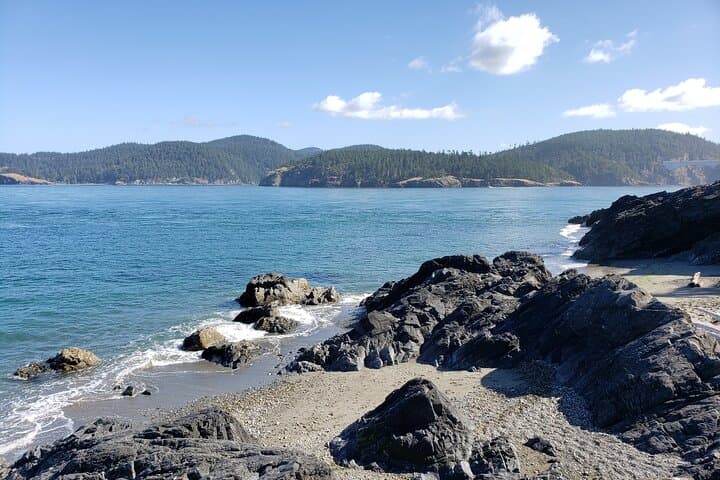
By mid-morning you’re at Rosario Beach, stepping onto a short bluff trail where wind-polished sandstone drops to tidepools and kelp beds that seem to reach for passing boats. The trail is easy—half-mile loops and cliffside viewpoints that bring Deception Pass into view as a muscular channel, where currents dare small skiffs and the bridge stitches two islands together.
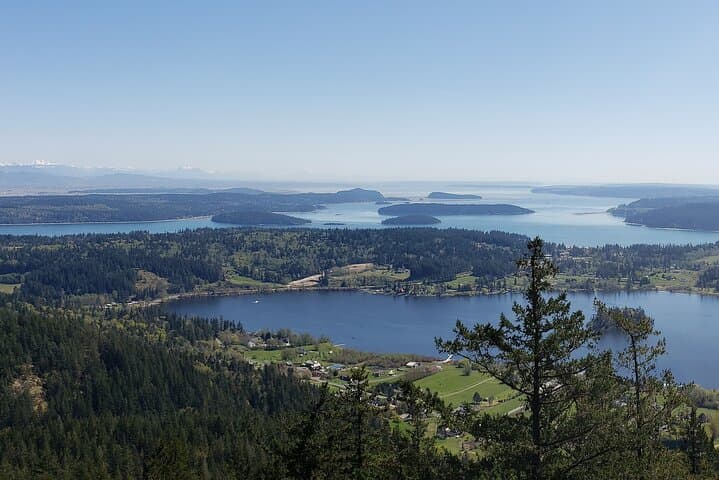
Driving north, the road climbs to Mt. Erie. At 1,273 feet the summit is abrupt for Puget Sound—granite and glacially scoured outcrops give you 360-degree visibility on a clear day. From there, the geometry of the Sound becomes legible: ferries, inlets, and the ragged edges of islands made by ice and tectonics.
Coupeville’s wharf offers a softer contrast: weathered pilings, a handful of independent shops, and lunchtime oysters if you choose. The town sits on Ebey’s Landing National Historical Reserve, where settlers’ fields and basalt cliffs tell a layered story of Indigenous shell middens, 19th-century homesteads, and contemporary stewardship.
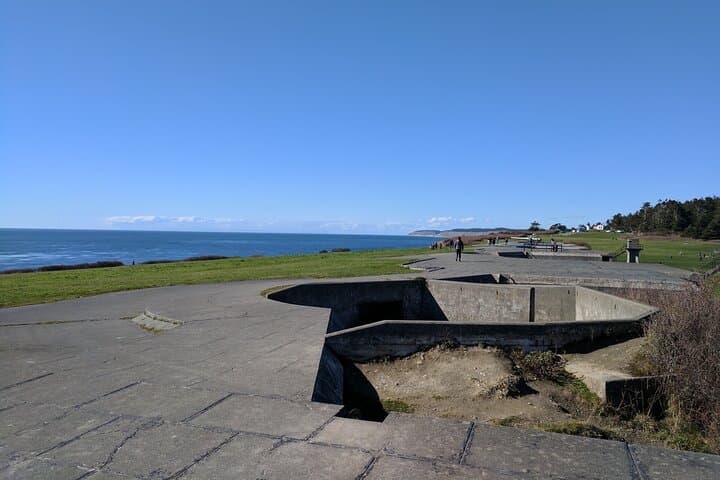
The military chapter arrives at Fort Casey, a concrete fortification dating to 1897. Walk the gun emplacements and, on certain weekends, climb the Admiralty Head Lighthouse. The fort is at once a military artifact and a vantage point—low tide exposes beaches strewn with barnacled logs and the occasional seal.
Practicalities: the full itinerary runs roughly eight hours including ferry transit to and from Seattle. The tour is private and flexible—guides can tailor stops for tide pooling, extra photo time at the bridge, or a longer lunch in Coupeville. Weather is famously variable; bring layers and waterproof footwear if you want to explore the bluffs or tidepools.
History and geology are close companions here: glacial carving produced the narrow channels and steep bluffs while strategic military thinking placed batteries to guard the Sound. Respect for private property and intertidal life is part of the local code—stay on marked paths, avoid harvesting live creatures, and follow your guide’s lead.
You leave with a clearer sense of place: islands that are both wild and worked, currents that define the coastline, and small towns that hold regional stories. For travelers who want an accessible, richly varied day away from the city, this route packs geology, history, and shoreline drama into one decisive Pacific Northwest outing.
easy.
8 hours.
Suitable for most fitness levels; expect short easy walks and some uneven coastal terrain.
This is an approximately eight-hour private excursion, including ferry transit time to and from Seattle.
Yes; the itinerary is rated easy and can be adjusted for mobility and pacing preferences.
Yes; the itinerary includes disembarkation for Rosario Beach, Coupeville, and Fort Casey with time to explore.
Yes; there are restroom facilities at park sites and a lunch stop in Coupeville where you can purchase food.
Expect bald eagles, harbor seals, and frequent seabirds; orcas are possible but less common from shore.
The tour operates in most conditions; guides will adjust the schedule for safety and comfort—dress for wet weather.
The islands were shaped by glacial activity and long-inhabited by Coast Salish peoples; later, 19th-century homesteaders and coastal defenses like Fort Casey marked the strategic importance of the Sound.
Much of the coastline is protected by state parks and reserves; stay on trails, respect intertidal zones, and support local businesses practicing sustainable harvesting.
Washington Excursions operates guided outdoor trips and adventures with an emphasis on safety, stewardship, and memorable experiences.
The morning starts on water: the ferry’s engines hum and gulls wheel as Seattle shrinks behind you and the Salish Sea opens. Salt spray mists the windows of an air-conditioned van while a local guide sketches the day—rocky bluffs, a 1,273-foot lookout, a century-old coastal fort, and a wharf town where the past still smells faintly of shellfish and diesel.
The morning starts on water: the ferry’s engines hum and gulls wheel as Seattle shrinks behind you and the Salish Sea opens. Salt spray mists the windows of an air-conditioned van while a local guide sketches the day—rocky bluffs, a 1,273-foot lookout, a century-old coastal fort, and a wharf town where the past still smells faintly of shellfish and diesel.
By mid-morning you’re at Rosario Beach, stepping onto a short bluff trail where wind-polished sandstone drops to tidepools and kelp beds that seem to reach for passing boats. The trail is easy—half-mile loops and cliffside viewpoints that bring Deception Pass into view as a muscular channel, where currents dare small skiffs and the bridge stitches two islands together.
Driving north, the road climbs to Mt. Erie. At 1,273 feet the summit is abrupt for Puget Sound—granite and glacially scoured outcrops give you 360-degree visibility on a clear day. From there, the geometry of the Sound becomes legible: ferries, inlets, and the ragged edges of islands made by ice and tectonics.
Coupeville’s wharf offers a softer contrast: weathered pilings, a handful of independent shops, and lunchtime oysters if you choose. The town sits on Ebey’s Landing National Historical Reserve, where settlers’ fields and basalt cliffs tell a layered story of Indigenous shell middens, 19th-century homesteads, and contemporary stewardship.
The military chapter arrives at Fort Casey, a concrete fortification dating to 1897. Walk the gun emplacements and, on certain weekends, climb the Admiralty Head Lighthouse. The fort is at once a military artifact and a vantage point—low tide exposes beaches strewn with barnacled logs and the occasional seal.
Practicalities: the full itinerary runs roughly eight hours including ferry transit to and from Seattle. The tour is private and flexible—guides can tailor stops for tide pooling, extra photo time at the bridge, or a longer lunch in Coupeville. Weather is famously variable; bring layers and waterproof footwear if you want to explore the bluffs or tidepools.
History and geology are close companions here: glacial carving produced the narrow channels and steep bluffs while strategic military thinking placed batteries to guard the Sound. Respect for private property and intertidal life is part of the local code—stay on marked paths, avoid harvesting live creatures, and follow your guide’s lead.
You leave with a clearer sense of place: islands that are both wild and worked, currents that define the coastline, and small towns that hold regional stories. For travelers who want an accessible, richly varied day away from the city, this route packs geology, history, and shoreline drama into one decisive Pacific Northwest outing.