THE ADVENTURE COLLECTIVE® · Independent discovery and booking for outdoor travel

Board at Ala Wai Harbor for a private two-hour whale-watching charter that ranges the southern coast of Oahu. This intimate trip maximizes flexibility and viewing time—ideal for photographers and small groups hoping to find humpbacks in their winter calving waters.
Board at Ala Wai Harbor for a private two-hour whale-watching charter that ranges the southern coast of Oahu. This intimate trip maximizes flexibility and viewing time—ideal for photographers and small groups hoping to find humpbacks in their winter calving waters.
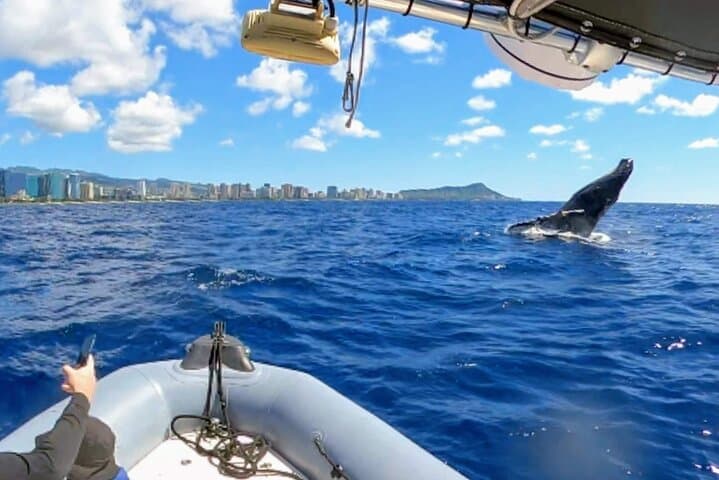
Step off the dock at Ala Wai Harbor and the city gives way to a brighter horizon: salt, wind, and the low rumble of the ocean. The yellow booth is a clear landmark; your boat slips free and the skyline of Waikiki shrinks as you head south, scanning glassy swells for the telltale spray or arch of a humpback's back.
Verified experiences and guided adventures in the surrounding area.
Operated by The Adventure Boat · Honolulu, Hawaii
Step off the dock at Ala Wai Harbor and the city gives way to a brighter horizon: salt, wind, and the low rumble of the ocean. The yellow booth is a clear landmark; your boat slips free and the skyline of Waikiki shrinks as you head south, scanning glassy swells for the telltale spray or arch of a humpback's back.
The Hawai‘i Islands sit astride a major migratory highway. Each winter, North Pacific humpback whales travel to the warm, shallow waters off Oahu to breed and calve, turning the southern coast into a seasonal stage. Geologically, the islands are volcanic ridges; offshore the sea floor drops away, creating channels where whales rest and mothers nurse. Culturally, the sound of whales has long been woven into Native Hawaiian stories as kupua—powerful beings—so encounters carry both spectacle and quiet reverence.
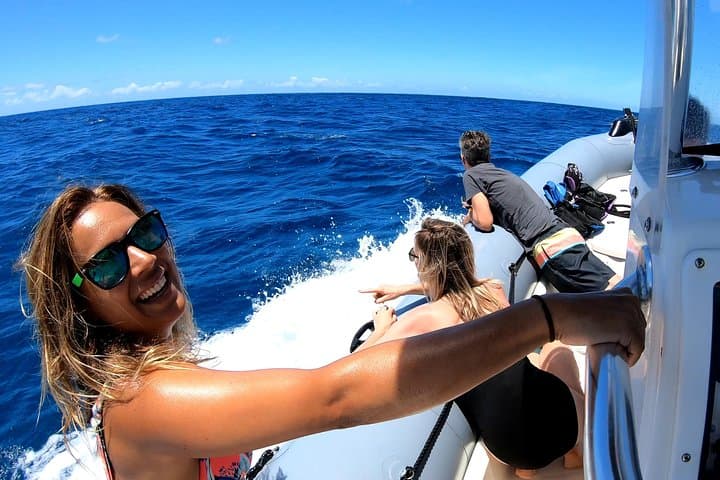
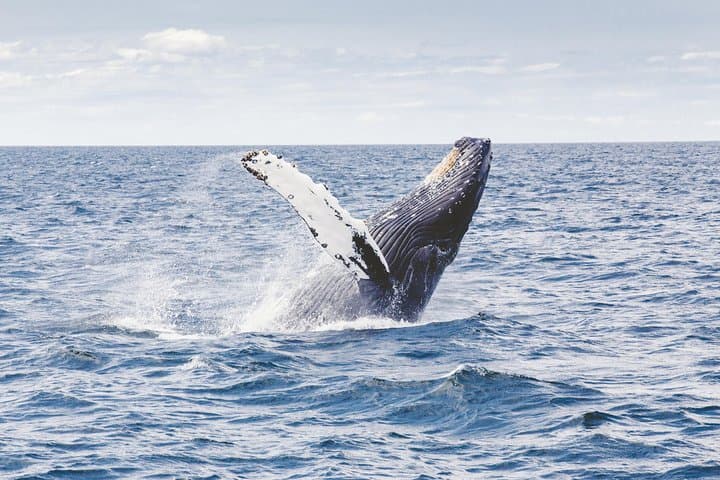
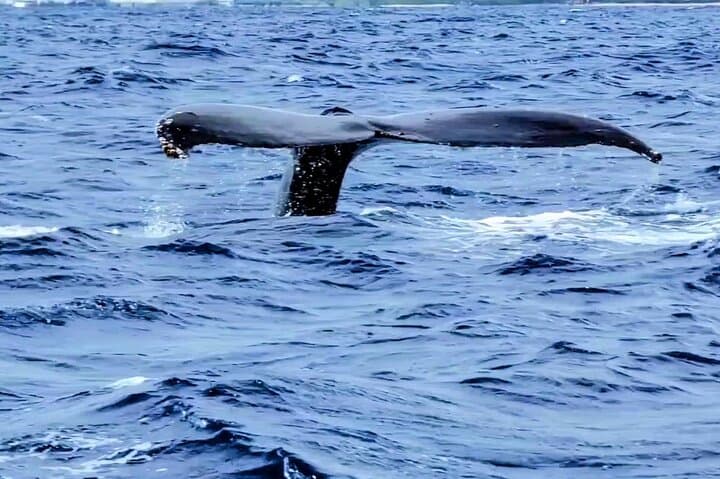
On a private 2-hour charter you can range farther along the southern shore than larger tour fleets, giving you a better shot at close encounters when whales are active. Expect binocular-worthy breaches, tail slaps, and long pectoral-fin dives; remember these are wild animals and sightings can't be guaranteed. Morning trips often deliver calmer seas and better light for photography; the captain will follow regulations and give narration about whale behavior and local history.
Practical items: arrive at the dock a few minutes early, secure loose gear, and pack a light wind layer—ocean spray and trade winds can be sharp even on warm days. Hydrate, bring motion-sickness remedies if you’re sensitive, and leave room on your device for photos. Whether you see a single spout or a group at play, the ocean’s rhythm and the whales’ presence are immediate reminders why people cross oceans to watch them.
easy.
2 hours.
Suitable for most fitness levels; requires ability to board a small boat and stand for periods during viewing
Operators typically find whales most winter months (December–April) and have a high success rate, but sightings can’t be guaranteed since whales are wild animals.
Meet at the loading dock in Ala Wai Harbor; look for the yellow booth and arrive a few minutes before the scheduled time.
Yes—private charters accommodate a range of ages, though boarding small boats and brief standing is required; check health advisories for pregnant travelers or those with serious back/heart issues.
Bring layers, sun protection, motion-sickness remedies if needed, a camera with a secure strap, and your reservation confirmation (mobile ticket is fine).
Humpback migration to Hawaiian waters has supported local cultural knowledge for generations; modern whale protections grew from 20th-century conservation efforts that reversed commercial whaling declines.
Operators follow state and federal distance regulations and educate guests on minimizing disturbance; choose companies that observe approach limits and report marine mammal encounters responsibly.
The Adventure Boat operates guided outdoor trips and adventures with an emphasis on safety, stewardship, and memorable experiences.
Step off the dock at Ala Wai Harbor and the city gives way to a brighter horizon: salt, wind, and the low rumble of the ocean. The yellow booth is a clear landmark; your boat slips free and the skyline of Waikiki shrinks as you head south, scanning glassy swells for the telltale spray or arch of a humpback's back.
Step off the dock at Ala Wai Harbor and the city gives way to a brighter horizon: salt, wind, and the low rumble of the ocean. The yellow booth is a clear landmark; your boat slips free and the skyline of Waikiki shrinks as you head south, scanning glassy swells for the telltale spray or arch of a humpback's back.
The Hawai‘i Islands sit astride a major migratory highway. Each winter, North Pacific humpback whales travel to the warm, shallow waters off Oahu to breed and calve, turning the southern coast into a seasonal stage. Geologically, the islands are volcanic ridges; offshore the sea floor drops away, creating channels where whales rest and mothers nurse. Culturally, the sound of whales has long been woven into Native Hawaiian stories as kupua—powerful beings—so encounters carry both spectacle and quiet reverence.
On a private 2-hour charter you can range farther along the southern shore than larger tour fleets, giving you a better shot at close encounters when whales are active. Expect binocular-worthy breaches, tail slaps, and long pectoral-fin dives; remember these are wild animals and sightings can't be guaranteed. Morning trips often deliver calmer seas and better light for photography; the captain will follow regulations and give narration about whale behavior and local history.
Practical items: arrive at the dock a few minutes early, secure loose gear, and pack a light wind layer—ocean spray and trade winds can be sharp even on warm days. Hydrate, bring motion-sickness remedies if you’re sensitive, and leave room on your device for photos. Whether you see a single spout or a group at play, the ocean’s rhythm and the whales’ presence are immediate reminders why people cross oceans to watch them.