THE ADVENTURE COLLECTIVE® · Independent discovery and booking for outdoor travel

Set off from Ko Olina Marina aboard a private 32-foot World Cat for an intimate humpback encounter along Oahu’s leeward coast. Small groups, onboard hydrophone, and local naturalist commentary make this a focused, educational whale-watching experience.
Set off from Ko Olina Marina aboard a private 32-foot World Cat for an intimate humpback encounter along Oahu’s leeward coast. Small groups, onboard hydrophone, and local naturalist commentary make this a focused, educational whale-watching experience.
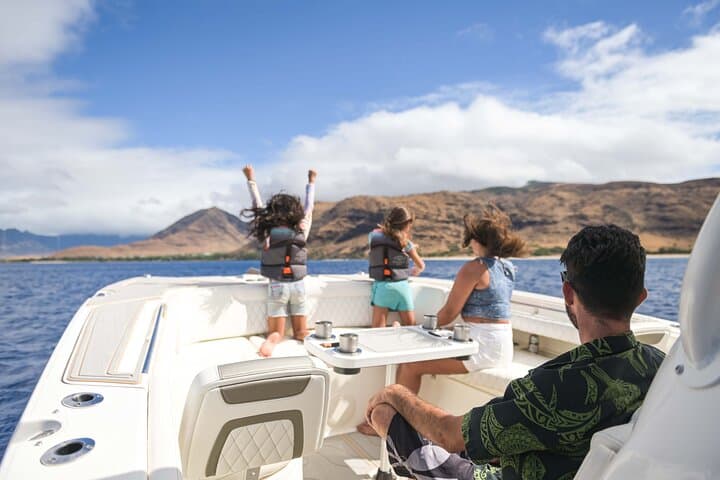
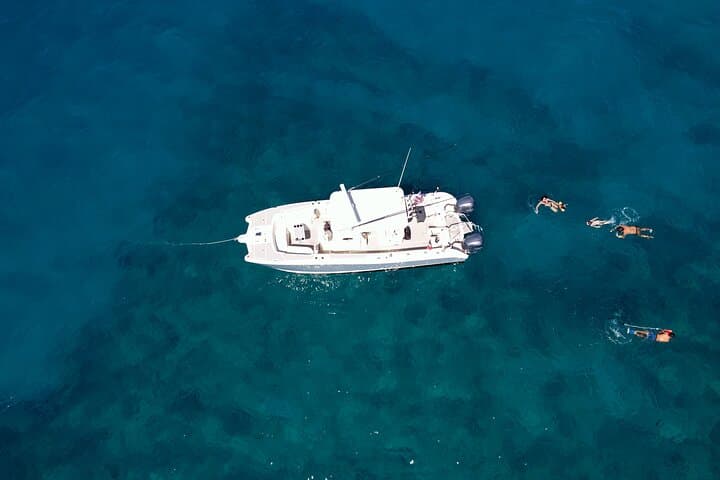
The boat slips away from Ko Olina Marina and the western skyline of Oahu opens: reef-fringed shallows give way to deeper blue, trade winds lift a fine spray, and the ocean seems to hold its breath. With just six guests aboard a 32-foot World Cat, the outing feels less like a crowded sightseeing run and more like a personal invitation to watch humpbacks work their winter rituals.
Verified experiences and guided adventures in the surrounding area.
Operated by MANA Cruises + Charters · Kapolei, Hawaii
The boat slips away from Ko Olina Marina and the western skyline of Oahu opens: reef-fringed shallows give way to deeper blue, trade winds lift a fine spray, and the ocean seems to hold its breath. With just six guests aboard a 32-foot World Cat, the outing feels less like a crowded sightseeing run and more like a personal invitation to watch humpbacks work their winter rituals.
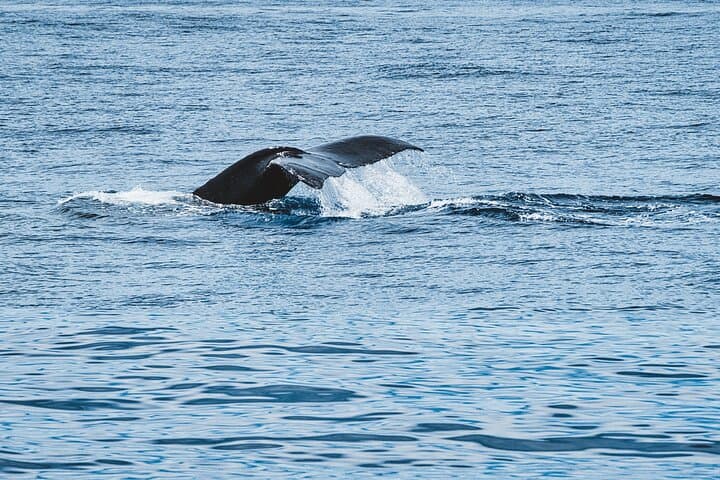
Humpback whales migrate to Hawaiian waters each winter to breed and calve, a biological pilgrimage driven by Pacific currents and seasonal temperature gradients. The leeward coast of Oahu offers calmer seas and clearer approaches than the windward side, making Ko Olina an efficient launching point for close but respectful viewing. Local crews often pair modern hydrophones with natural history commentary, so you see the blows and hear the low, complex songs carried through the hull.
Culturally, the islands have long regarded whales with reverence; many captains weave native place names and seasonal lore into onboard narration, situating each sighting within decades of local observation. Geologically, the west side’s offshore shelf drops gradually, creating predictable whale corridors near the reef edge.
Practical notes: trips run roughly 90–150 minutes — plan for sun, spray, and variable swell. Bring layered sun protection, small soft bags (hard luggage won’t stow), and cameras with fast shutters for surface behaviors. If you’re prone to motion sickness, take precautions ahead of departure. Above all, expect a quiet, education-focused experience: crews prioritize distance and minimal disturbance while maximizing your chance to encounter these large, vocal visitors.
easy.
1.5–2.5 hours.
Suitable for most fitness levels; requires basic mobility to step on/off a low marina dock and steady yourself on a moving boat.
Humpback season in Hawaii typically runs December through May, with peak activity often between January and March when mothers, calves, and courtship behaviors are most common.
Regulations and best-practice guidelines require maintaining respectful distances; captains will maneuver to provide clear views without disturbing the animals and will use hydrophones for underwater listening.
Yes—small-group size and short embarkation make it accessible, but children must be supervised and those with limited mobility should notify the operator in advance for assistance.
If poor weather forces cancellation, operators typically offer a full refund or the option to reschedule for another date.
Hawai‘i’s winter whale migrations have been observed for generations, and modern protective regulations emerged in the late 20th century as tourism and scientific interest in humpbacks grew.
Operators emphasize responsible viewing—keeping distance, limiting noise, and using education to reduce disturbance—while guests are encouraged to use reef-safe sunscreen and minimal single-use plastics.
MANA Cruises + Charters operates guided outdoor trips and adventures with an emphasis on safety, stewardship, and memorable experiences.
The boat slips away from Ko Olina Marina and the western skyline of Oahu opens: reef-fringed shallows give way to deeper blue, trade winds lift a fine spray, and the ocean seems to hold its breath. With just six guests aboard a 32-foot World Cat, the outing feels less like a crowded sightseeing run and more like a personal invitation to watch humpbacks work their winter rituals.
The boat slips away from Ko Olina Marina and the western skyline of Oahu opens: reef-fringed shallows give way to deeper blue, trade winds lift a fine spray, and the ocean seems to hold its breath. With just six guests aboard a 32-foot World Cat, the outing feels less like a crowded sightseeing run and more like a personal invitation to watch humpbacks work their winter rituals.
Humpback whales migrate to Hawaiian waters each winter to breed and calve, a biological pilgrimage driven by Pacific currents and seasonal temperature gradients. The leeward coast of Oahu offers calmer seas and clearer approaches than the windward side, making Ko Olina an efficient launching point for close but respectful viewing. Local crews often pair modern hydrophones with natural history commentary, so you see the blows and hear the low, complex songs carried through the hull.
Culturally, the islands have long regarded whales with reverence; many captains weave native place names and seasonal lore into onboard narration, situating each sighting within decades of local observation. Geologically, the west side’s offshore shelf drops gradually, creating predictable whale corridors near the reef edge.
Practical notes: trips run roughly 90–150 minutes — plan for sun, spray, and variable swell. Bring layered sun protection, small soft bags (hard luggage won’t stow), and cameras with fast shutters for surface behaviors. If you’re prone to motion sickness, take precautions ahead of departure. Above all, expect a quiet, education-focused experience: crews prioritize distance and minimal disturbance while maximizing your chance to encounter these large, vocal visitors.