THE ADVENTURE COLLECTIVE® · Independent discovery and booking for outdoor travel

Combine cliff-top spotters with a private boat and hydrophone for focused whale and dolphin watching off Terceira. Expect shore-to-sea coordination, wind, and a high chance of cetacean sightings year-round.
Combine cliff-top spotters with a private boat and hydrophone for focused whale and dolphin watching off Terceira. Expect shore-to-sea coordination, wind, and a high chance of cetacean sightings year-round.
Salt spray lifts off the Atlantic as the boat slips from Angra’s harbor and the island shrinks to a green backcloth. Lookouts on the cliffs radio a direction; the captain trims speed and the guide scans the swell with a hydrophone ready. The sea here moves with purpose—currents that carry plankton, the prey that draws cetaceans in close enough to make a private encounter memorable.
Verified experiences and guided adventures in the surrounding area.
Operated by OceanEmotion · Angra do Heroísmo, Azores
Salt spray lifts off the Atlantic as the boat slips from Angra’s harbor and the island shrinks to a green backcloth. Lookouts on the cliffs radio a direction; the captain trims speed and the guide scans the swell with a hydrophone ready. The sea here moves with purpose—currents that carry plankton, the prey that draws cetaceans in close enough to make a private encounter memorable.
Terceira’s coastline is volcanic—basalt cliffs, lava tubes and the inland chimney of Algar do Carvão speak to a geologic history shaped by eruption and slow cooling. Angra do Heroísmo, the island’s port city, grew important in the Age of Discovery and still wears 16th-century fortifications beside modern marinas. Local culture blends maritime skill with an easy hospitality: guides are trained to follow the Azores’ cetacean-watching code to minimize disturbance.
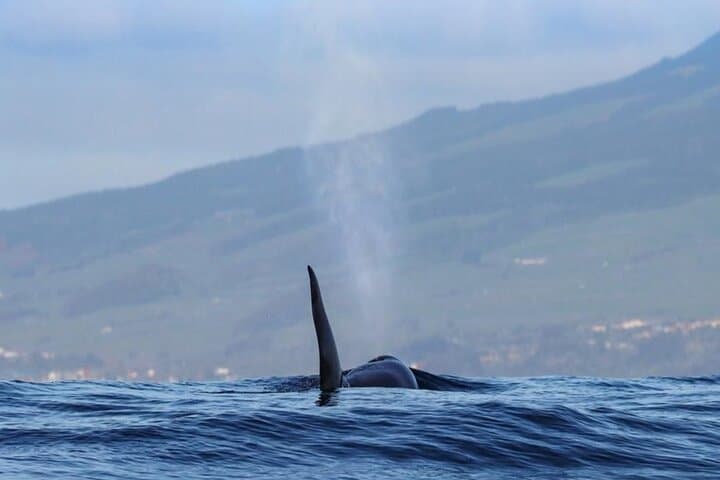
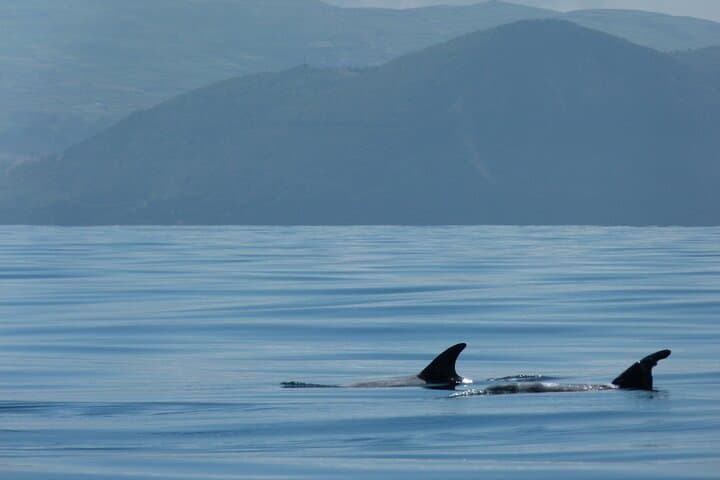
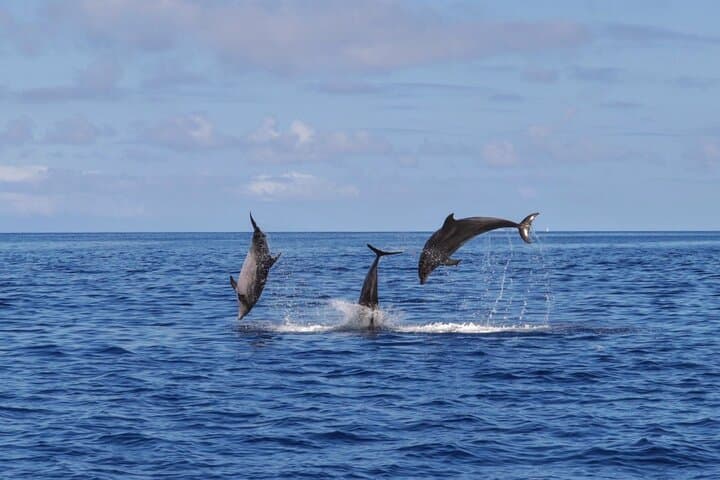
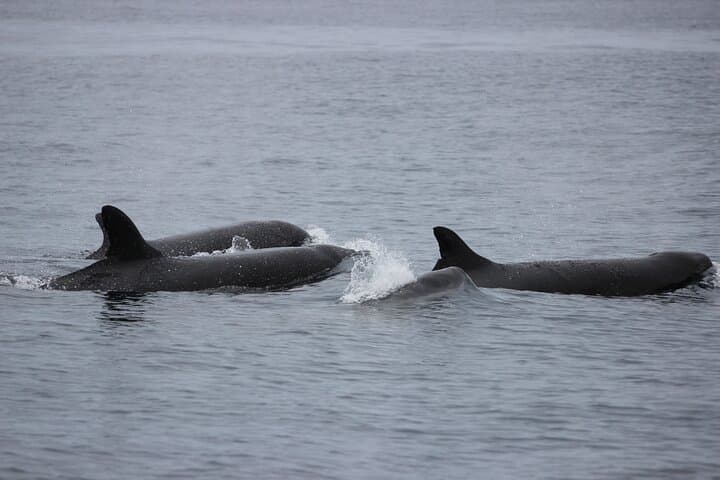
Practically: tours run about 150 minutes, combine shore-based spotters with onboard searching, and include a wind jacket, hydrophone and public liability insurance. Operators aim for respectful approaches and offer a free repeat trip if no animals are seen. Expect sightings of common dolphins, bottlenose groups and, seasonally, larger whales; species vary and behavior is always wild and unpredictable.
Plan for wind, changing light and spray: layered clothing and non-slip shoes matter more than speed. Bring motion-sickness remedies if you’re prone, a good pair of binoculars, and a camera with a fast shutter. Morning trips often mean calmer seas and cleaner light for photography; afternoons can concentrate feeding activity.
This private format gives space to observe without crowd noise, and the mix of shore spotters plus onboard hydrophone boosts sighting odds—turning a marine outing into a focused natural history experience.
easy.
2–2.5 hours.
Suitable for most fitness levels—boarding a small boat and short standing periods required
The Azores host ~29 cetacean species; common sightings include common dolphins, bottlenose dolphins and occasionally larger whales like sperm whales depending on season.
The operator offers a sighting guarantee—if no cetaceans are seen, you are typically offered a free rebooking or full refund in line with their policy.
Yes—tours are family-friendly and suitable for non-swimmers; children must be accompanied by an adult and life jackets are provided as required.
Layered, waterproof clothing and non-slip shoes are recommended; morning departures often have calmer seas and better light for photography.
Angra do Heroísmo was a strategic port during the Age of Discovery and retains Renaissance-era fortifications and a historic center that reflects Atlantic trade routes.
Operators follow the Azores code for cetacean watching—approaches are regulated to reduce stress on animals, and local guides prioritize minimal disturbance and scientific reporting.
OceanEmotion operates guided outdoor trips and adventures with an emphasis on safety, stewardship, and memorable experiences.
Salt spray lifts off the Atlantic as the boat slips from Angra’s harbor and the island shrinks to a green backcloth. Lookouts on the cliffs radio a direction; the captain trims speed and the guide scans the swell with a hydrophone ready. The sea here moves with purpose—currents that carry plankton, the prey that draws cetaceans in close enough to make a private encounter memorable.
Salt spray lifts off the Atlantic as the boat slips from Angra’s harbor and the island shrinks to a green backcloth. Lookouts on the cliffs radio a direction; the captain trims speed and the guide scans the swell with a hydrophone ready. The sea here moves with purpose—currents that carry plankton, the prey that draws cetaceans in close enough to make a private encounter memorable.
Terceira’s coastline is volcanic—basalt cliffs, lava tubes and the inland chimney of Algar do Carvão speak to a geologic history shaped by eruption and slow cooling. Angra do Heroísmo, the island’s port city, grew important in the Age of Discovery and still wears 16th-century fortifications beside modern marinas. Local culture blends maritime skill with an easy hospitality: guides are trained to follow the Azores’ cetacean-watching code to minimize disturbance.
Practically: tours run about 150 minutes, combine shore-based spotters with onboard searching, and include a wind jacket, hydrophone and public liability insurance. Operators aim for respectful approaches and offer a free repeat trip if no animals are seen. Expect sightings of common dolphins, bottlenose groups and, seasonally, larger whales; species vary and behavior is always wild and unpredictable.
Plan for wind, changing light and spray: layered clothing and non-slip shoes matter more than speed. Bring motion-sickness remedies if you’re prone, a good pair of binoculars, and a camera with a fast shutter. Morning trips often mean calmer seas and cleaner light for photography; afternoons can concentrate feeding activity.
This private format gives space to observe without crowd noise, and the mix of shore spotters plus onboard hydrophone boosts sighting odds—turning a marine outing into a focused natural history experience.