THE ADVENTURE COLLECTIVE® · Independent discovery and booking for outdoor travel

Walk Wellington with a local: a private, three-hour, customizable city tour that swaps rote history for street-level stories, harbor views, and neighborhood secrets. Ideal for first-time visitors who want an efficient, personalized introduction to the capital.
Walk Wellington with a local: a private, three-hour, customizable city tour that swaps rote history for street-level stories, harbor views, and neighborhood secrets. Ideal for first-time visitors who want an efficient, personalized introduction to the capital.
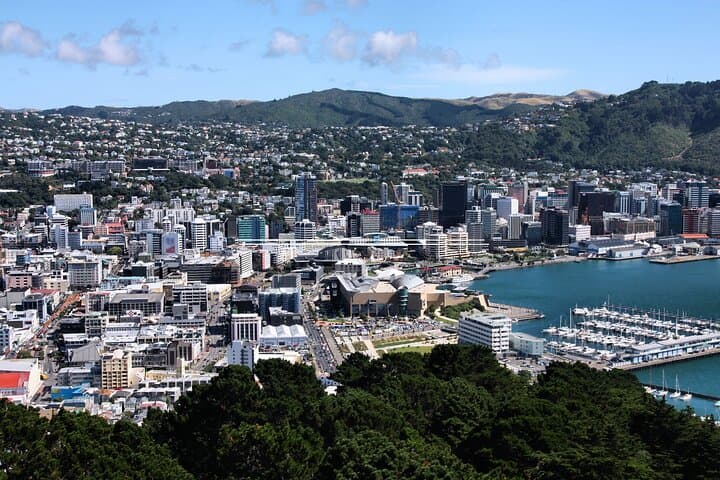
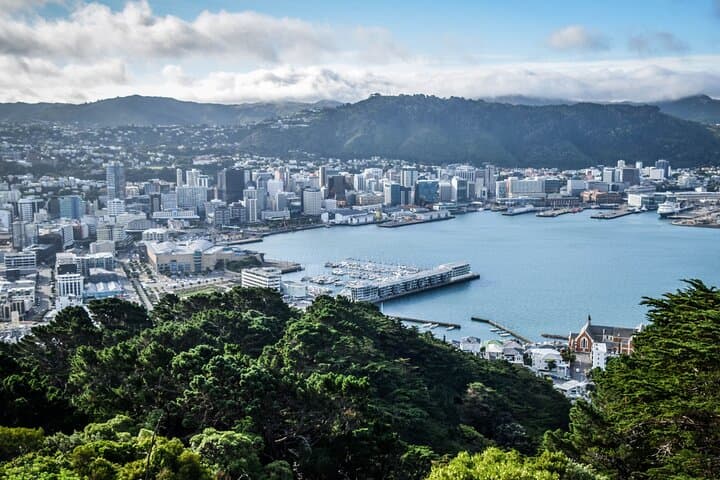
You step off the ferry of daily life into a city that moves sideways and uphill: Wellington’s harbor pinches the skyline, gulls argue over scraps, and a coffee cart puffs steam against brisk coastal wind.
Verified experiences and guided adventures in the surrounding area.
Operated by Guydeez · Wellington, Wellington
You step off the ferry of daily life into a city that moves sideways and uphill: Wellington’s harbor pinches the skyline, gulls argue over scraps, and a coffee cart puffs steam against brisk coastal wind.
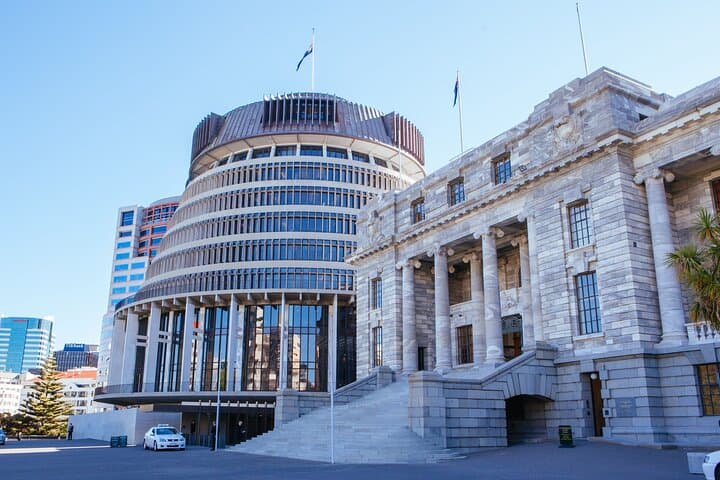
A private local guide threads you through this compact capital — from parliament’s modern angles to the waterfront warehouses that became Te Papa. The city sits where Cook Strait brushes the hills; fault-carved ridgelines give steep streets and lookout points that reward a modest climb. Māori place names and colonial architecture sit side by side: you’ll hear stories of Te Whanganui-a-Tara, the arrival of European settlements, and the 19th-century growth that made Wellington the seat of government in 1865.
Cultural life is immediate here — street art on Cuba Street, contemporary shows at City Gallery, and the botanical hillside of Kelburn where native bush reclaims steep paths. Geology is visible too: rocky outcrops, reclaimed wharves, and the harbor’s tidal pulse influence how the city was built.
Practical notes: tours run about three hours and typically cover 3–4 km of mostly paved surfaces with up to ~100–150 m cumulative ascent if you include the botanic garden or Mount Victoria views. Surfaces are largely stroller- and wheelchair-accessible on the waterfront; some hill sections have steps or steeper ramps.
Bring weather-ready layers, a small water bottle, and comfortable shoes. Because the tour is private and customizable, tell your guide whether you prefer cafes, history, galleries, or green spaces — they’ll shape the route to match your pace and interests.
easy.
3 hours.
Suitable for most fitness levels; expect continuous walking with occasional short climbs.
Most waterfront routes and many city pavements are accessible; some hillside sections include steeper ramps or steps—confirm your accessibility needs with the operator in advance.
Yes — the tour is private and the guide will shape the route to your interests, from museums and galleries to cafés and lookouts.
The experience is sold as a private walking tour for your group; for exact group-size limits check with the operator before booking.
Standard policy allows a full refund if cancelled at least 24 hours before the scheduled time; tours generally operate in light rain, but confirm concerns about heavier weather with the provider.
Wellington became New Zealand’s capital in 1865; its public buildings and waterfront reflect rapid 19th- and 20th-century growth and ongoing Māori cultural presence.
Stay on paths in native bush areas, avoid feeding wildlife, and support local businesses that use sustainable practices to reduce plastic and protect coastal habitats.
Guydeez operates guided outdoor trips and adventures with an emphasis on safety, stewardship, and memorable experiences.
You step off the ferry of daily life into a city that moves sideways and uphill: Wellington’s harbor pinches the skyline, gulls argue over scraps, and a coffee cart puffs steam against brisk coastal wind.
You step off the ferry of daily life into a city that moves sideways and uphill: Wellington’s harbor pinches the skyline, gulls argue over scraps, and a coffee cart puffs steam against brisk coastal wind.
A private local guide threads you through this compact capital — from parliament’s modern angles to the waterfront warehouses that became Te Papa. The city sits where Cook Strait brushes the hills; fault-carved ridgelines give steep streets and lookout points that reward a modest climb. Māori place names and colonial architecture sit side by side: you’ll hear stories of Te Whanganui-a-Tara, the arrival of European settlements, and the 19th-century growth that made Wellington the seat of government in 1865.
Cultural life is immediate here — street art on Cuba Street, contemporary shows at City Gallery, and the botanical hillside of Kelburn where native bush reclaims steep paths. Geology is visible too: rocky outcrops, reclaimed wharves, and the harbor’s tidal pulse influence how the city was built.
Practical notes: tours run about three hours and typically cover 3–4 km of mostly paved surfaces with up to ~100–150 m cumulative ascent if you include the botanic garden or Mount Victoria views. Surfaces are largely stroller- and wheelchair-accessible on the waterfront; some hill sections have steps or steeper ramps.
Bring weather-ready layers, a small water bottle, and comfortable shoes. Because the tour is private and customizable, tell your guide whether you prefer cafes, history, galleries, or green spaces — they’ll shape the route to match your pace and interests.