THE ADVENTURE COLLECTIVE® · Independent discovery and booking for outdoor travel

See Washington’s monuments and memorials in a single, private half-day with a guide who times stops, explains context, and handles logistics. Perfect for small groups who want efficient photo-ready access and a deeper read on the capital’s history.
See Washington’s monuments and memorials in a single, private half-day with a guide who times stops, explains context, and handles logistics. Perfect for small groups who want efficient photo-ready access and a deeper read on the capital’s history.
You step out in front of the Grand Hyatt and the city unfolds: broad pavements, columned facades, the hush of lawns that lead to memorials. Your guide slides into place beside the vehicle, map in hand, and the first view—glints off the White House—sets the tone for four hours of concentrated history and civic theater.
Verified experiences and guided adventures in the surrounding area.
Operated by See DC Today · Washington, DC
You step out in front of the Grand Hyatt and the city unfolds: broad pavements, columned facades, the hush of lawns that lead to memorials. Your guide slides into place beside the vehicle, map in hand, and the first view—glints off the White House—sets the tone for four hours of concentrated history and civic theater.
This itinerant introduction threads the founding stories of the capital with its stone and bronze: Federal-style public buildings that rose from 18th- and 19th-century plans, marble monuments carved in the early 20th century, and postwar memorials that reflect changing national memory. The National Mall itself is carved from glacial and riverine sediments—broad, flat ground that shaped the city’s axial plan—and the Potomac keeps time at the city’s edge, daring visitors toward its riverfront paths.
Culturally, this tour samples civic rituals: the changing guard at a service monument, wreath-laying sites, and the quiet gravitas of vaulted memorial walls. Guides often layer in local color—neighborhood anecdotes, event-driven road closures, and quick tips to time golden-hour photos at the Lincoln Memorial.
Practically: expect several short walks between drop-offs, ample photo stops, and flexible pacing for a small group. Bring comfortable walking shoes, a refillable water bottle, light rain protection, and a charged phone for contactless tickets. If you want museum entry or restricted-view areas, request arrangements in advance. Start early to dodge crowds; late afternoons offer softer light but more traffic. This is a focused, efficient way to see DC’s essentials with a local voice and the logistical ease of private transport.
easy.
4 hours.
Suitable for all fitness levels — involves short walks and standing at viewpoints.
The meeting point is in front of the Starbucks at the Grand Hyatt; pickup and drop-off service is available within roughly 5 miles of the White House.
Yes — this private tour is customizable; communicate priorities when booking so the guide can plan timing and parking accordingly.
Admissions are not included; if you want to enter paid or timed-entry sites, request arrangements in advance to secure tickets.
Yes — the tour is stroller accessible and suitable for all ages, though expect short walks and some steps at certain memorials.
Washington, D.C. was planned in the 1790s on a grid and grand axis that placed the Capitol and the then-new federal buildings at the city’s core; many memorials date from the early- to mid-20th century.
The National Mall and memorial sites are managed with heavy visitor impact in mind — stick to paths, pack out waste, and respect plantings to reduce erosion and preserve lawns.
See DC Today operates guided outdoor trips and adventures with an emphasis on safety, stewardship, and memorable experiences.
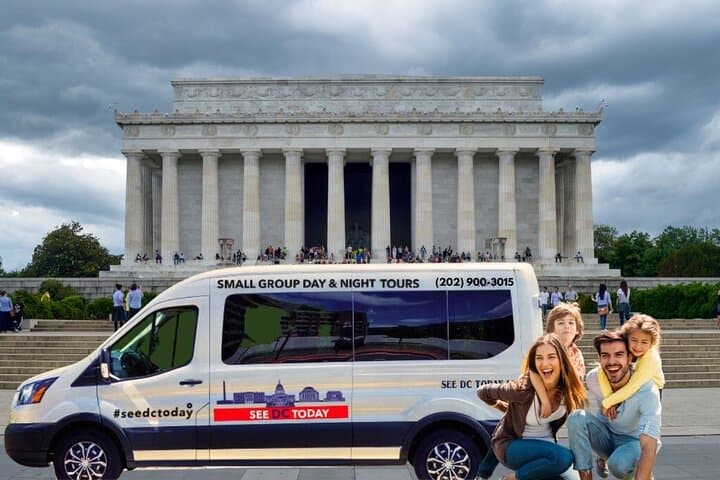
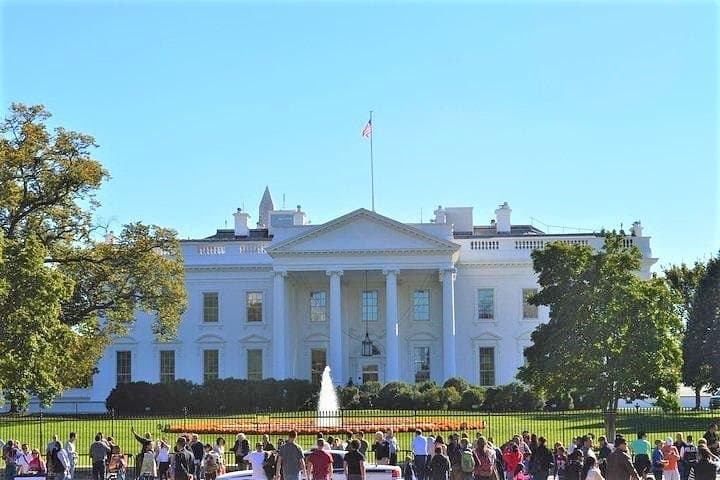

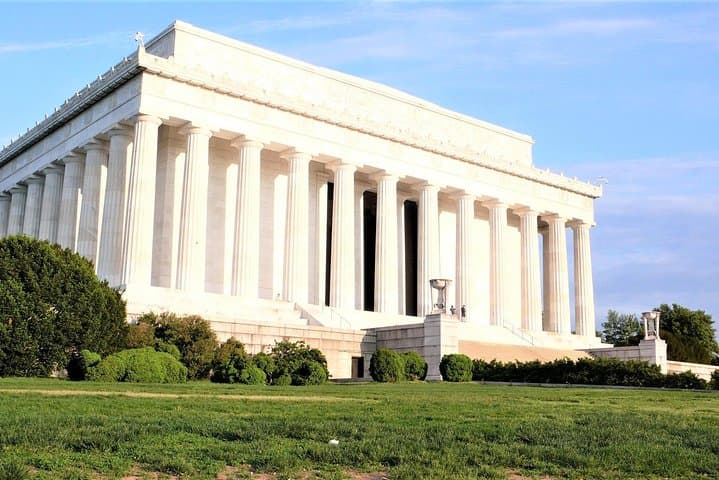
You step out in front of the Grand Hyatt and the city unfolds: broad pavements, columned facades, the hush of lawns that lead to memorials. Your guide slides into place beside the vehicle, map in hand, and the first view—glints off the White House—sets the tone for four hours of concentrated history and civic theater.
You step out in front of the Grand Hyatt and the city unfolds: broad pavements, columned facades, the hush of lawns that lead to memorials. Your guide slides into place beside the vehicle, map in hand, and the first view—glints off the White House—sets the tone for four hours of concentrated history and civic theater.
This itinerant introduction threads the founding stories of the capital with its stone and bronze: Federal-style public buildings that rose from 18th- and 19th-century plans, marble monuments carved in the early 20th century, and postwar memorials that reflect changing national memory. The National Mall itself is carved from glacial and riverine sediments—broad, flat ground that shaped the city’s axial plan—and the Potomac keeps time at the city’s edge, daring visitors toward its riverfront paths.
Culturally, this tour samples civic rituals: the changing guard at a service monument, wreath-laying sites, and the quiet gravitas of vaulted memorial walls. Guides often layer in local color—neighborhood anecdotes, event-driven road closures, and quick tips to time golden-hour photos at the Lincoln Memorial.
Practically: expect several short walks between drop-offs, ample photo stops, and flexible pacing for a small group. Bring comfortable walking shoes, a refillable water bottle, light rain protection, and a charged phone for contactless tickets. If you want museum entry or restricted-view areas, request arrangements in advance. Start early to dodge crowds; late afternoons offer softer light but more traffic. This is a focused, efficient way to see DC’s essentials with a local voice and the logistical ease of private transport.