THE ADVENTURE COLLECTIVE® · Independent discovery and booking for outdoor travel

A private, guided exploration of Warsaw’s Jewish history—walk the former ghetto, visit one of Europe’s largest Jewish cemeteries, and tour POLIN Museum with a local guide. Expect measured walking, thoughtful interpretation, and hotel pickup in an air-conditioned vehicle.
A private, guided exploration of Warsaw’s Jewish history—walk the former ghetto, visit one of Europe’s largest Jewish cemeteries, and tour POLIN Museum with a local guide. Expect measured walking, thoughtful interpretation, and hotel pickup in an air-conditioned vehicle.
You step out of a low-slung, air-conditioned vehicle and into a part of Warsaw where the city keeps its scars and stories in plain sight.
Verified experiences and guided adventures in the surrounding area.
Operated by taxiGo Limo Airport Service · Warsaw, Masovian Voivodeship
You step out of a low-slung, air-conditioned vehicle and into a part of Warsaw where the city keeps its scars and stories in plain sight.
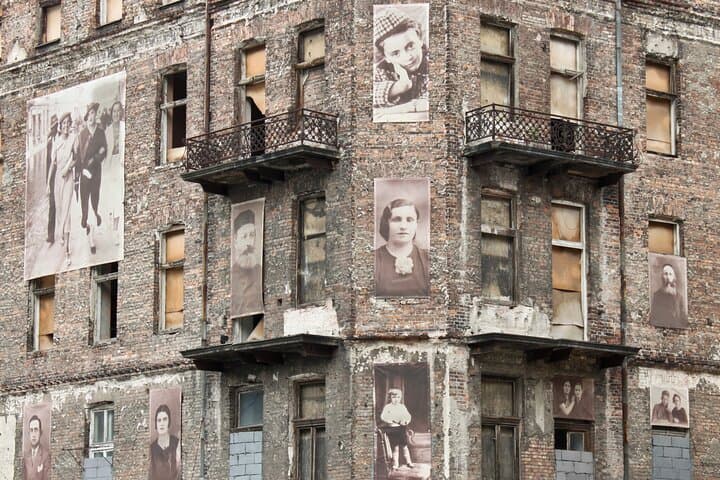
Cobblestones click underfoot as your guide leads you toward brass plaques and concrete memorials that mark the line where the Warsaw Ghetto once stood. The Vistula to the east pushes the city’s flat plain into blocks of post-war reconstruction and pre-war lanes, and the urban geometry makes every memorial and museum feel close and immediate.
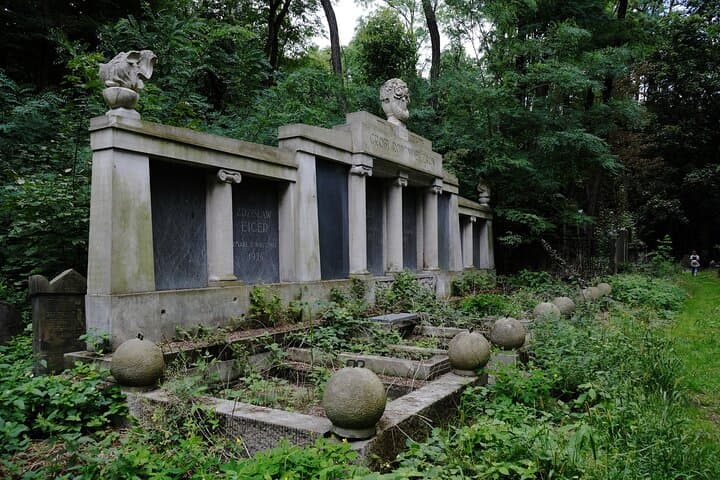
This private excursion threads three historical layers: the wartime geography of the Warsaw Ghetto (established 1940), the vast Jewish Cemetery on Okopowa Street—founded in 1806—and the POLIN Museum, a contemporary, award-winning building interpreting a millennium of Jewish life in Poland. You’ll pass the Anielewicz bunker site and pause at street-level markers where resistance and daily life intersected.
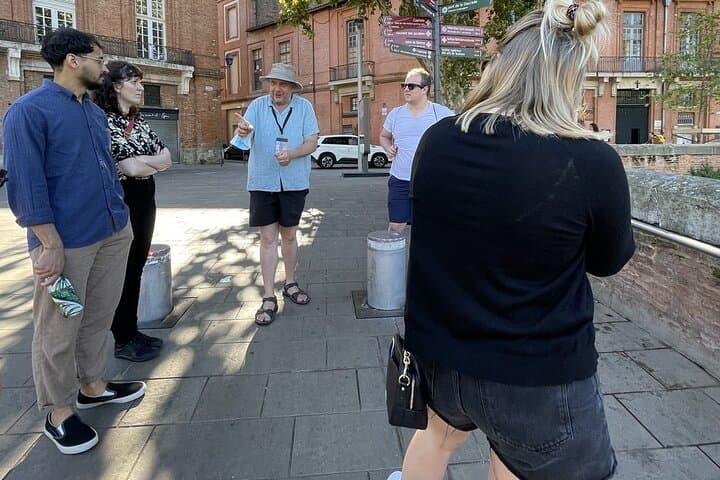
Expect a measured pace: a short drive between stops, guided walks of varying lengths, and roughly two hours of free time to explore the museum or nearby streets. The route spotlights architectural contrasts—19th-century tombstones and modern museum glass—and cultural context from pre-war Jewish neighborhoods to post-war memory projects.
Practicalities: wear comfortable, flat-soled shoes for cobbles and uneven graveside paths, carry a light rain layer, and plan for quiet, respectful photography in cemeteries and memorial zones. Museum admission and hotel pickup/drop-off are included; traffic can alter on-the-ground timing, so keep your schedule flexible and allow space to absorb the sites rather than rush through them.
easy.
6–7 hours.
Light walking ability; able to walk short distances on uneven surfaces and stand through museum exhibits.
Yes—entrance fees to POLIN and the Jewish Cemetery are included in this private tour price.
Walking is moderate: short guided walks at each stop with some standing; most transit between sites is by private vehicle.
The operator notes the tour is suitable for all fitness levels and specialized infant seats are available—specify needs at booking.
Yes—traffic, special events, or unexpected closures may alter the route or timing; guides adapt and aim to preserve core highlights.
The Warsaw Ghetto was created in 1940 and constrained hundreds of thousands; the Jewish Cemetery on Okopowa dates to 1806, while POLIN Museum opened in 2013 to interpret Jewish life in Poland across centuries.
Sites are actively preserved by local and national institutions—visitors should respect signage, avoid disturbing graves, and support museum guidelines to protect fragile monuments.
taxiGo Limo Airport Service operates guided outdoor trips and adventures with an emphasis on safety, stewardship, and memorable experiences.
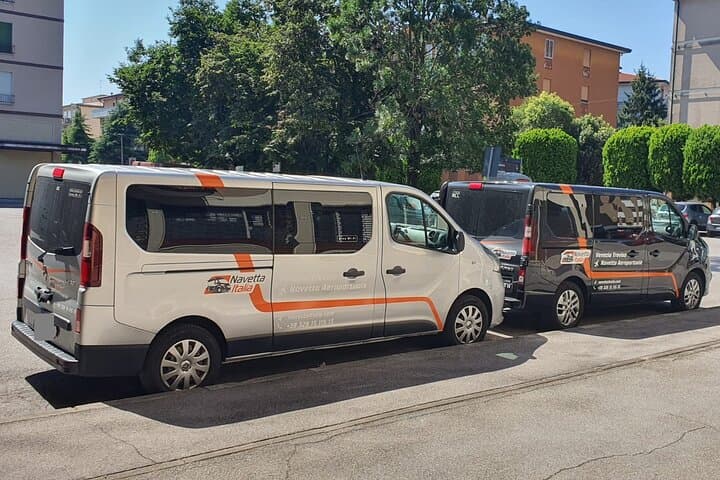
You step out of a low-slung, air-conditioned vehicle and into a part of Warsaw where the city keeps its scars and stories in plain sight.
You step out of a low-slung, air-conditioned vehicle and into a part of Warsaw where the city keeps its scars and stories in plain sight.
Cobblestones click underfoot as your guide leads you toward brass plaques and concrete memorials that mark the line where the Warsaw Ghetto once stood. The Vistula to the east pushes the city’s flat plain into blocks of post-war reconstruction and pre-war lanes, and the urban geometry makes every memorial and museum feel close and immediate.
This private excursion threads three historical layers: the wartime geography of the Warsaw Ghetto (established 1940), the vast Jewish Cemetery on Okopowa Street—founded in 1806—and the POLIN Museum, a contemporary, award-winning building interpreting a millennium of Jewish life in Poland. You’ll pass the Anielewicz bunker site and pause at street-level markers where resistance and daily life intersected.
Expect a measured pace: a short drive between stops, guided walks of varying lengths, and roughly two hours of free time to explore the museum or nearby streets. The route spotlights architectural contrasts—19th-century tombstones and modern museum glass—and cultural context from pre-war Jewish neighborhoods to post-war memory projects.
Practicalities: wear comfortable, flat-soled shoes for cobbles and uneven graveside paths, carry a light rain layer, and plan for quiet, respectful photography in cemeteries and memorial zones. Museum admission and hotel pickup/drop-off are included; traffic can alter on-the-ground timing, so keep your schedule flexible and allow space to absorb the sites rather than rush through them.