THE ADVENTURE COLLECTIVE® · Independent discovery and booking for outdoor travel

Explore Villa Taranto’s celebrated botanical collections with a private guide, learning plant stories, seasonal highlights and the garden’s lake‑side microclimates. Perfect for botanists and curious walkers seeking a focused, relaxed introduction to one of Lake Maggiore’s best gardens.
Explore Villa Taranto’s celebrated botanical collections with a private guide, learning plant stories, seasonal highlights and the garden’s lake‑side microclimates. Perfect for botanists and curious walkers seeking a focused, relaxed introduction to one of Lake Maggiore’s best gardens.
Morning light cuts across Lake Maggiore as visitors step through the iron gates of Villa Taranto, the guide’s voice low amid clipped leaves and the scent of wet soil. Paths curve between sculpted beds where bulbs force colour ahead of the season and ancient magnolias throw mottled shade; the garden moves like a deliberate, cultivated wild.
Verified experiences and guided adventures in the surrounding area.
Operated by Giulia Ferrari · Verbania, Piedmont
Morning light cuts across Lake Maggiore as visitors step through the iron gates of Villa Taranto, the guide’s voice low amid clipped leaves and the scent of wet soil. Paths curve between sculpted beds where bulbs force colour ahead of the season and ancient magnolias throw mottled shade; the garden moves like a deliberate, cultivated wild.
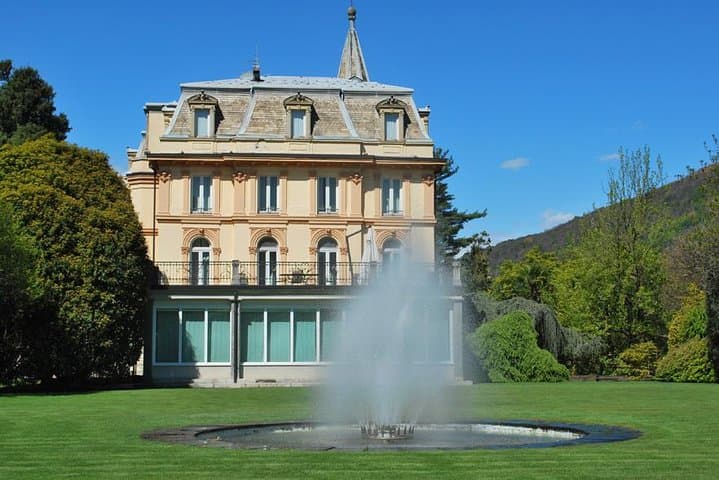
Created by Scottish Captain Neil McEacharn in 1931, Villa Taranto reflects early 20th-century botanical ambition—collecting, classifying and displaying species from Europe, Asia and the Americas. The site occupies glacially carved ground at the lake’s edge; well-drained terraces and sheltered microclimates allow tender exotics to thrive alongside native hedgerows. Local culture still orbits the lake: boat landings, cafés and seasonal flower festivals animate towns such as Stresa and Pallanza.
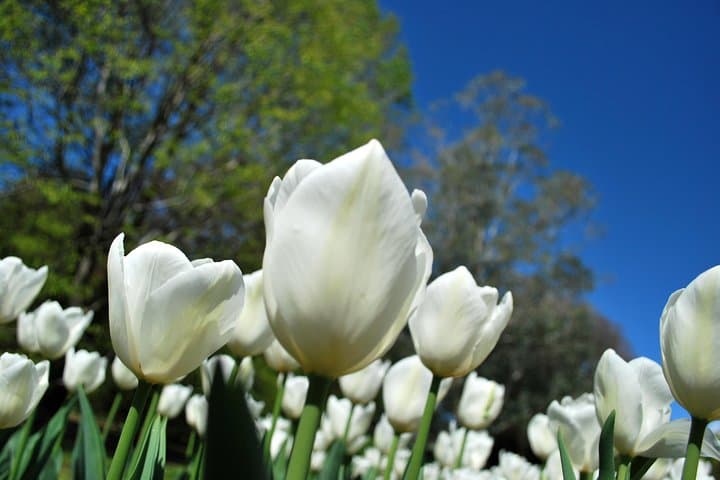
On a private guiding walk the emphasis is botanical: identifying rare rhododendrons, tracing the rhythm of bulb displays (peak tulips in April, dahlias July–October) and pausing at water features that lure dragonflies. Plants here have personality—the giant sequoia stands as an old-world presence while the azaleas conspire to steal your attention.
Practical guidance: plan 2–3 hours, arrive early to avoid crowds and reach Villa Taranto by public boat from Stresa or by a short drive from Verbania. Wear comfortable walking shoes for paved and gravel paths, bring water and sun protection, and reserve tickets in advance during April and summer festival dates. The gardens are wheelchair-accessible but uneven in parts; a private guide will tailor the walk to interests and mobility.
easy.
2–3 hours.
Light walking; suitable for most fitness levels but expect standing and slow strolling for the tour length.
Guided tours often require a separate garden entrance ticket; check booking details and purchase entry in advance if it isn’t included.
Regular boats run from Stresa to the ‘Villa Taranto’ landing, providing the most scenic and convenient access during tourist season.
Most main paths are wheelchair accessible, but some terraces and narrow beds may be uneven; notify the operator when booking so the guide can accommodate you.
Spring (April) for tulips and late summer to autumn (July–October) for dahlias; shoulder seasons are quieter with pleasant temperatures.
Villa Taranto was developed by Captain Neil McEacharn from 1931 as a private botanical collection that later opened to the public; its design reflects a collector’s approach to global plant introductions.
The garden practices selective planting and path management to protect delicate beds; visitors are asked to stay on paths and avoid removing seeds or cuttings.
Giulia Ferrari operates guided outdoor trips and adventures with an emphasis on safety, stewardship, and memorable experiences.


Morning light cuts across Lake Maggiore as visitors step through the iron gates of Villa Taranto, the guide’s voice low amid clipped leaves and the scent of wet soil. Paths curve between sculpted beds where bulbs force colour ahead of the season and ancient magnolias throw mottled shade; the garden moves like a deliberate, cultivated wild.
Morning light cuts across Lake Maggiore as visitors step through the iron gates of Villa Taranto, the guide’s voice low amid clipped leaves and the scent of wet soil. Paths curve between sculpted beds where bulbs force colour ahead of the season and ancient magnolias throw mottled shade; the garden moves like a deliberate, cultivated wild.
Created by Scottish Captain Neil McEacharn in 1931, Villa Taranto reflects early 20th-century botanical ambition—collecting, classifying and displaying species from Europe, Asia and the Americas. The site occupies glacially carved ground at the lake’s edge; well-drained terraces and sheltered microclimates allow tender exotics to thrive alongside native hedgerows. Local culture still orbits the lake: boat landings, cafés and seasonal flower festivals animate towns such as Stresa and Pallanza.
On a private guiding walk the emphasis is botanical: identifying rare rhododendrons, tracing the rhythm of bulb displays (peak tulips in April, dahlias July–October) and pausing at water features that lure dragonflies. Plants here have personality—the giant sequoia stands as an old-world presence while the azaleas conspire to steal your attention.
Practical guidance: plan 2–3 hours, arrive early to avoid crowds and reach Villa Taranto by public boat from Stresa or by a short drive from Verbania. Wear comfortable walking shoes for paved and gravel paths, bring water and sun protection, and reserve tickets in advance during April and summer festival dates. The gardens are wheelchair-accessible but uneven in parts; a private guide will tailor the walk to interests and mobility.