THE ADVENTURE COLLECTIVE® · Independent discovery and booking for outdoor travel

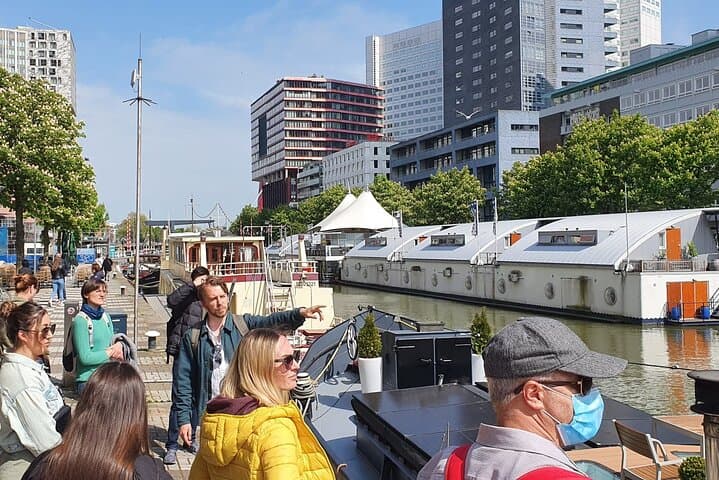
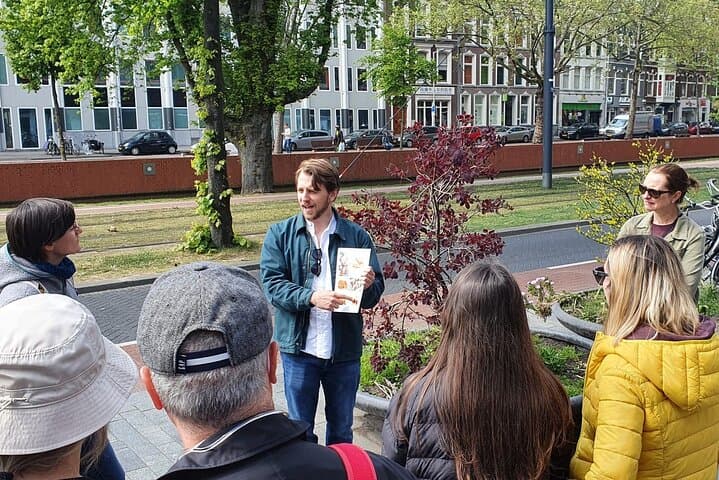
Explore Rotterdam on foot with a local guide who stitches together postwar rebuilding, bold modern architecture, and neighborhood food stops. This private 2–3 hour walk moves at a measured pace through the city’s best highlights and lesser-known corners.
Explore Rotterdam on foot with a local guide who stitches together postwar rebuilding, bold modern architecture, and neighborhood food stops. This private 2–3 hour walk moves at a measured pace through the city’s best highlights and lesser-known corners.
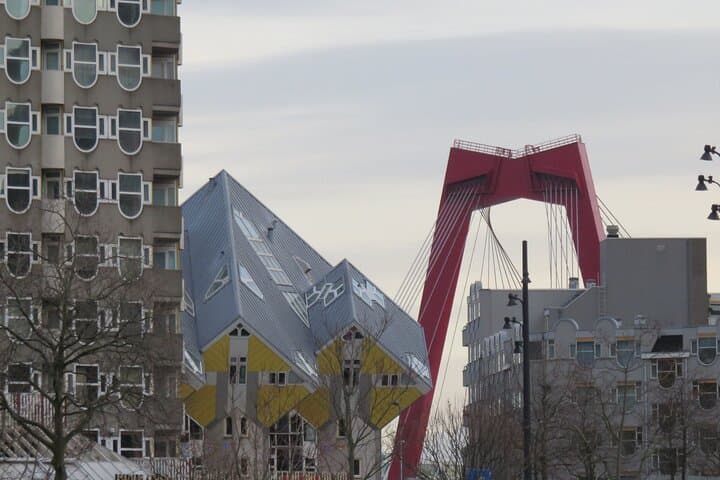
You step off the tram and the city greets you with angles and movement: the Erasmus Bridge arcing over the Maas, Market Hall’s mural looming overhead, cube houses tilting at an odd, deliberate angle. A local guide leads you through streets where glass faces old brick, and the rhythm of bicycles threads the scene.
Verified experiences and guided adventures in the surrounding area.
Operated by City Guide Nidas · Rotterdam, South Holland
You step off the tram and the city greets you with angles and movement: the Erasmus Bridge arcing over the Maas, Market Hall’s mural looming overhead, cube houses tilting at an odd, deliberate angle. A local guide leads you through streets where glass faces old brick, and the rhythm of bicycles threads the scene.
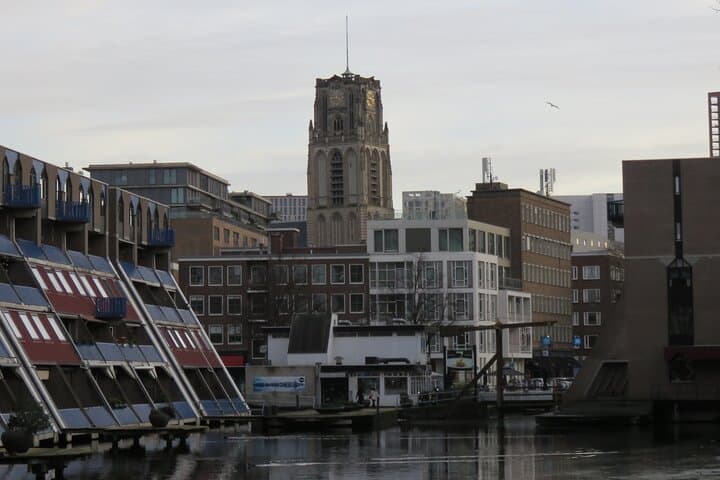
Rotterdam was reshaped after the 1940 bombardment; much of what you see is 20th-century reinvention layered on medieval fragments like Sint Laurenskerk. Geology here is flat reclaimed land—man-made riverbanks and dikes that have dictated trade and architecture. Culturally the city wears its diversity on its sleeve: Surinamese eateries, Chinese storefronts, and contemporary galleries cluster within blocks.
Expect a 2–3 hour walk covering roughly 3–4 km on flat, paved surfaces with frequent photo stops. Highlights typically include Markthal, Cube Houses, Oude Haven, Westersingel sculpture route, and Rotterdam City Hall; guides add local stories about Erasmus, postwar reconstruction, and secret local cafés. Conversation is as much a feature as the skyline—ask about urban planning, the port’s scale, or where locals grab dinner.
Practical notes: wear comfortable shoes, bring a light rain layer, and plan a mid-tour coffee or market snack. Public transport links are strong—start or end at Blaak or Rotterdam Centraal. The pace is adaptable for most walkers but requires moderate fitness for standing and strolling. Photographers should time the Erasmus Bridge for softer light in the morning or late afternoon. Respect bike lanes and keep group size small for neighborhoods.
moderate.
2–3 hours.
Suitable for people with moderate fitness who can stand and walk continuously for several hours.
Common meeting points are Blaak station or Rotterdam Centraal; guides will confirm a central pickup and can adjust endpoints within the city center.
Much of the route is flat and accessible, but some historic spots have limited access—notify the operator in advance to adjust the itinerary.
Guides typically operate in English and Dutch; request other languages when booking and the operator will try to match availability.
Yes—guides often suggest local eateries and can offer planning help, but museum or attraction tickets should be booked separately unless stated.
Rotterdam’s center was largely rebuilt after the 1940 bombing; surviving structures like Sint Laurenskerk sit beside bold postwar modernism and port infrastructure.
The city prioritizes water management and sustainable transport—stay on paths, respect bike lanes, and support local businesses to reduce impact.
City Guide Nidas operates guided outdoor trips and adventures with an emphasis on safety, stewardship, and memorable experiences.
You step off the tram and the city greets you with angles and movement: the Erasmus Bridge arcing over the Maas, Market Hall’s mural looming overhead, cube houses tilting at an odd, deliberate angle. A local guide leads you through streets where glass faces old brick, and the rhythm of bicycles threads the scene.
You step off the tram and the city greets you with angles and movement: the Erasmus Bridge arcing over the Maas, Market Hall’s mural looming overhead, cube houses tilting at an odd, deliberate angle. A local guide leads you through streets where glass faces old brick, and the rhythm of bicycles threads the scene.
Rotterdam was reshaped after the 1940 bombardment; much of what you see is 20th-century reinvention layered on medieval fragments like Sint Laurenskerk. Geology here is flat reclaimed land—man-made riverbanks and dikes that have dictated trade and architecture. Culturally the city wears its diversity on its sleeve: Surinamese eateries, Chinese storefronts, and contemporary galleries cluster within blocks.
Expect a 2–3 hour walk covering roughly 3–4 km on flat, paved surfaces with frequent photo stops. Highlights typically include Markthal, Cube Houses, Oude Haven, Westersingel sculpture route, and Rotterdam City Hall; guides add local stories about Erasmus, postwar reconstruction, and secret local cafés. Conversation is as much a feature as the skyline—ask about urban planning, the port’s scale, or where locals grab dinner.
Practical notes: wear comfortable shoes, bring a light rain layer, and plan a mid-tour coffee or market snack. Public transport links are strong—start or end at Blaak or Rotterdam Centraal. The pace is adaptable for most walkers but requires moderate fitness for standing and strolling. Photographers should time the Erasmus Bridge for softer light in the morning or late afternoon. Respect bike lanes and keep group size small for neighborhoods.