THE ADVENTURE COLLECTIVE® · Independent discovery and booking for outdoor travel

Explore Mont Saint-Michel in two immersive hours: walk Grand Rue, enter the abbey’s cloisters, stand on terraces overlooking the bay, and learn how tides shaped one of France’s most photographed landmarks.
Explore Mont Saint-Michel in two immersive hours: walk Grand Rue, enter the abbey’s cloisters, stand on terraces overlooking the bay, and learn how tides shaped one of France’s most photographed landmarks.
You enter Mont Saint-Michel by foot, the guide’s voice threading history into the narrow Grand Rue as gulls wheel over the bay. Stone shopfronts close in; flags and slate roofs angle toward the abbey that rises like a fortified crown. For two hours you move from cobbled alleys up into the abbey terraces, then down to the edge of tidal flats where the water and sand seem to breathe.
Verified experiences and guided adventures in the surrounding area.
Operated by European Voyages · Le Mont-Saint-Michel, Normandy
You enter Mont Saint-Michel by foot, the guide’s voice threading history into the narrow Grand Rue as gulls wheel over the bay. Stone shopfronts close in; flags and slate roofs angle toward the abbey that rises like a fortified crown. For two hours you move from cobbled alleys up into the abbey terraces, then down to the edge of tidal flats where the water and sand seem to breathe.
The island’s story is readable in its stones: a 10th-century abbey built on a granite outcrop, expanded through medieval pilgrimage and military need. Geologically, the mount sits on Precambrian rock surrounded by silt deposited by the Couesnon—tidal forces that created the broad mudflats people now study for their unique ecology. Culturally it's a layered site of Norman identity, monastic life and strategic defense; UNESCO protection reflects both heritage and the fragile bay environment.
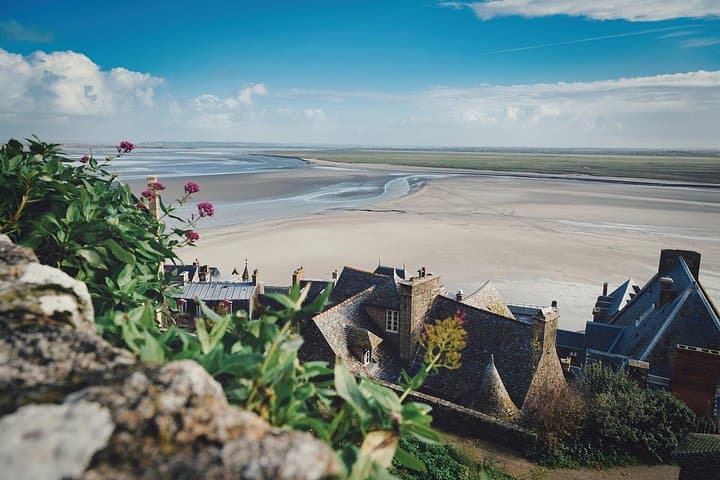
Expect close-up architecture—cloisters, refectory, vaults—and wide panoramas from terraces that frame the coastline. Guides will explain engineering, monastic routines and siege history while pointing out the bay’s tidal rhythms and the marsh grasses that buffer erosion.
Practical guidance: the tour is short but on uneven stone and steep steps; comfortable shoes with grip are essential. Morning light reduces crowds on Grand Rue; check tide tables if you want dramatic waterline views. The meeting point is Porte de l'Avancée; public transit options reach the causeway parking and shuttle area. The tour is family-friendly and accessible to most fitness levels, but the abbey interior has narrow passages and several flights of stairs.
easy.
2 hours.
Suitable for most fitness levels; able to manage short steep stair sections and uneven stone surfaces.
This private walking tour includes guided access to the abbey areas visited, but official abbey admission policies can change—confirm if timed-entry tickets are required.
Meet at Porte de l'Avancée on the island; shuttles and parking on the mainland near the causeway connect here and public transport serves nearby towns like Avranches and Pontorson.
Families are welcome, but the abbey has many stairs and narrow corridors that make full stroller access impractical—infants in carriers work best.
You can spot shorebirds and occasional seals from the bay edge, but wildlife viewing depends on season and tide conditions.
Mont Saint-Michel evolved from a 8th–10th century sanctuary into a fortified abbey and pilgrimage site; its architecture reflects centuries of religious and military adaptation.
Conservation efforts focus on restoring natural tidal flow and protecting the bay's mudflats, with measures to limit erosion and manage visitor impact.
European Voyages operates guided outdoor trips and adventures with an emphasis on safety, stewardship, and memorable experiences.
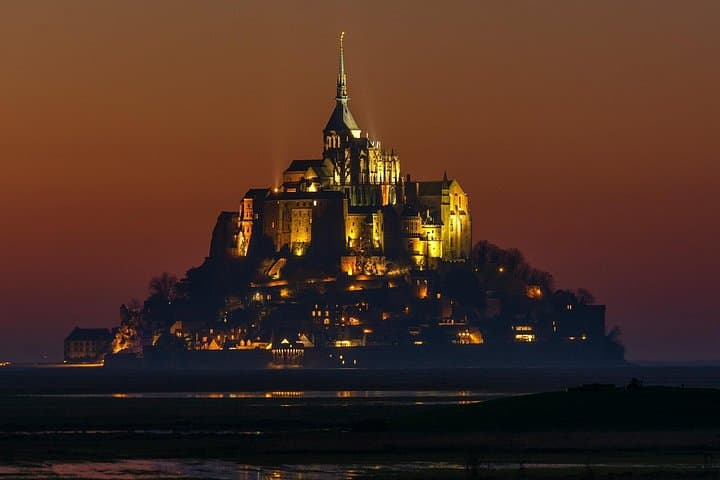
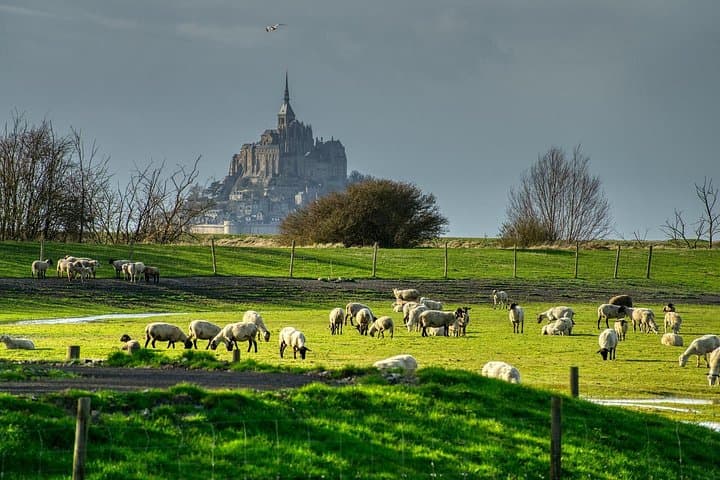
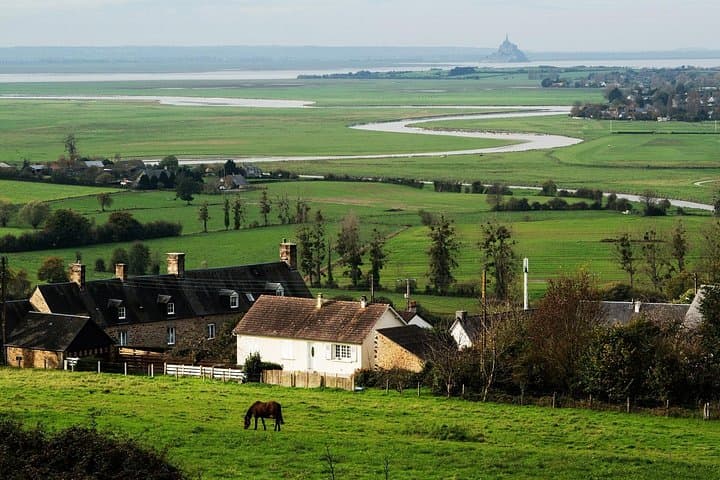
You enter Mont Saint-Michel by foot, the guide’s voice threading history into the narrow Grand Rue as gulls wheel over the bay. Stone shopfronts close in; flags and slate roofs angle toward the abbey that rises like a fortified crown. For two hours you move from cobbled alleys up into the abbey terraces, then down to the edge of tidal flats where the water and sand seem to breathe.
You enter Mont Saint-Michel by foot, the guide’s voice threading history into the narrow Grand Rue as gulls wheel over the bay. Stone shopfronts close in; flags and slate roofs angle toward the abbey that rises like a fortified crown. For two hours you move from cobbled alleys up into the abbey terraces, then down to the edge of tidal flats where the water and sand seem to breathe.
The island’s story is readable in its stones: a 10th-century abbey built on a granite outcrop, expanded through medieval pilgrimage and military need. Geologically, the mount sits on Precambrian rock surrounded by silt deposited by the Couesnon—tidal forces that created the broad mudflats people now study for their unique ecology. Culturally it's a layered site of Norman identity, monastic life and strategic defense; UNESCO protection reflects both heritage and the fragile bay environment.
Expect close-up architecture—cloisters, refectory, vaults—and wide panoramas from terraces that frame the coastline. Guides will explain engineering, monastic routines and siege history while pointing out the bay’s tidal rhythms and the marsh grasses that buffer erosion.
Practical guidance: the tour is short but on uneven stone and steep steps; comfortable shoes with grip are essential. Morning light reduces crowds on Grand Rue; check tide tables if you want dramatic waterline views. The meeting point is Porte de l'Avancée; public transit options reach the causeway parking and shuttle area. The tour is family-friendly and accessible to most fitness levels, but the abbey interior has narrow passages and several flights of stairs.