THE ADVENTURE COLLECTIVE® · Independent discovery and booking for outdoor travel

Stand atop the Duomo terrace, meander the glass-vaulted Galleria, and finish in the courtyard of Sforza Castle on this private three-hour walk through Milan’s historic core. Ideal for first-time visitors wanting history, architecture, and curated local context.
Stand atop the Duomo terrace, meander the glass-vaulted Galleria, and finish in the courtyard of Sforza Castle on this private three-hour walk through Milan’s historic core. Ideal for first-time visitors wanting history, architecture, and curated local context.
You meet beneath the Duomo’s lace of spires as sunlight cuts across carved marble and the city exhales around you.
Verified experiences and guided adventures in the surrounding area.
Operated by Bellissima Italy tours · Milan, Lombardy
You meet beneath the Duomo’s lace of spires as sunlight cuts across carved marble and the city exhales around you.
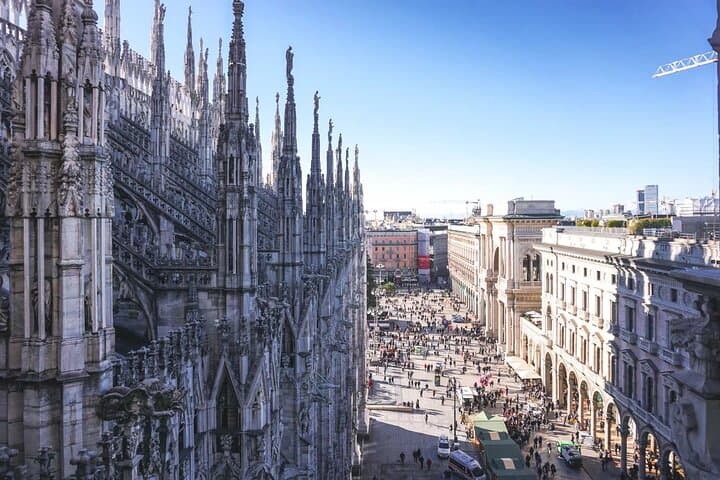
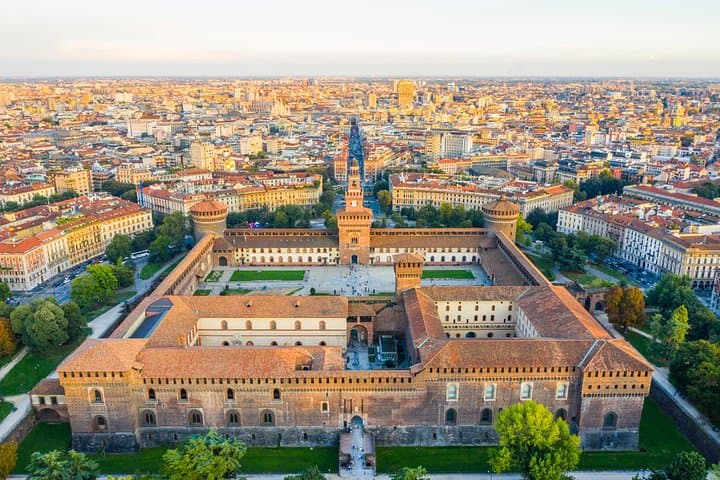
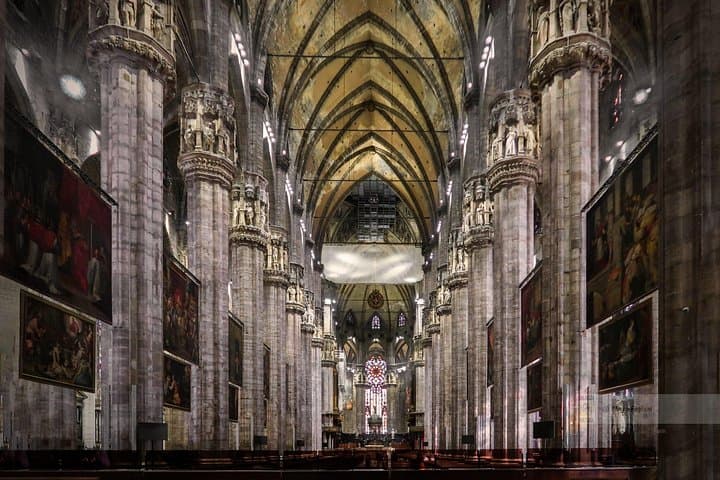
The walk moves from the cathedral’s cavernous interior up to the terrace, where scaffolds and gargoyles frame a panorama of rooftops and the distant Alps on clear days. From there the group slips into the Galleria Vittorio Emanuele II, its glass-vaulted arcade pushing light onto mosaics and luxury storefronts. La Scala appears next, an austere façade that hints at centuries of operatic drama, before the route follows Via Dante’s broad avenue to the open courtyard of Castello Sforzesco.
History is tangible here: Roman foundations underlie medieval streets, Renaissance patrons reshaped palaces, and industrial canals—Navigli—still push a quieter current through the city’s fabric. Culture arrives in small details: a café ritual, a hidden fresco, the badge of a Milanese artisan. Geology is subtle—Milan sits on an alluvial plain that made it fertile and easily traversable, which in turn shaped its role as a crossroads of trade and art.
Practical guidance: this private, three-hour tour is easy-paced but involves city walking on stone pavements—bring supportive shoes and a light daypack. Duomo access is included, so carry a photo ID and dress respectfully for sacred interiors. Morning departures beat heat and crowds; late afternoon casts warmer light on the castle walls. Hydrate between stops and use public transit to return if continuing exploration—central Milan is compact but rich with side streets worth exploring on foot.
easy.
3 hours.
Suitable for most fitness levels; requires standing and walking on paved urban surfaces for up to three hours.
Yes—Duomo tickets are included as part of the tour, allowing interior access and terrace time when scheduled.
The operator notes wheelchair accessibility; contact the provider ahead of booking to confirm terrace access arrangements and any assistance needed.
Licensed guides are available in English, Spanish, French, and Italian according to the listing.
This specific tour listing is all sales final with no refunds available, so confirm plans before booking.
Milan grew from a Roman military outpost into a Renaissance and industrial powerhouse; its monuments reflect layers of political and artistic patronage through centuries.
Historic sites rely on respectful visitor behavior—avoid touching frescoes or marble and follow local waste-sorting rules to reduce impact.
Bellissima Italy tours operates guided outdoor trips and adventures with an emphasis on safety, stewardship, and memorable experiences.
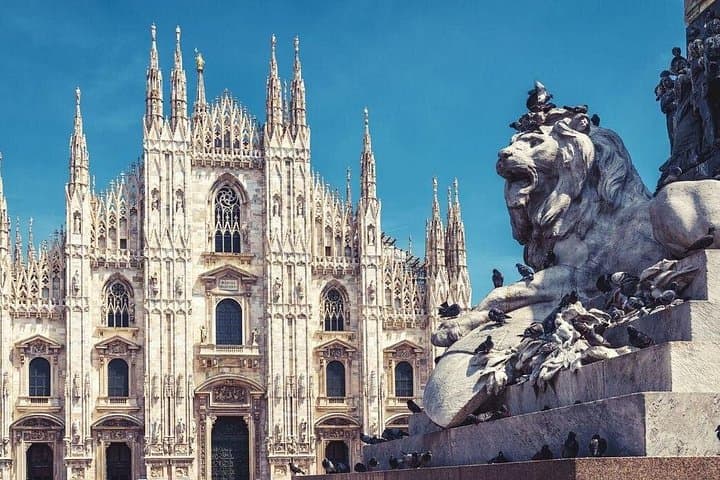
You meet beneath the Duomo’s lace of spires as sunlight cuts across carved marble and the city exhales around you.
You meet beneath the Duomo’s lace of spires as sunlight cuts across carved marble and the city exhales around you.
The walk moves from the cathedral’s cavernous interior up to the terrace, where scaffolds and gargoyles frame a panorama of rooftops and the distant Alps on clear days. From there the group slips into the Galleria Vittorio Emanuele II, its glass-vaulted arcade pushing light onto mosaics and luxury storefronts. La Scala appears next, an austere façade that hints at centuries of operatic drama, before the route follows Via Dante’s broad avenue to the open courtyard of Castello Sforzesco.
History is tangible here: Roman foundations underlie medieval streets, Renaissance patrons reshaped palaces, and industrial canals—Navigli—still push a quieter current through the city’s fabric. Culture arrives in small details: a café ritual, a hidden fresco, the badge of a Milanese artisan. Geology is subtle—Milan sits on an alluvial plain that made it fertile and easily traversable, which in turn shaped its role as a crossroads of trade and art.
Practical guidance: this private, three-hour tour is easy-paced but involves city walking on stone pavements—bring supportive shoes and a light daypack. Duomo access is included, so carry a photo ID and dress respectfully for sacred interiors. Morning departures beat heat and crowds; late afternoon casts warmer light on the castle walls. Hydrate between stops and use public transit to return if continuing exploration—central Milan is compact but rich with side streets worth exploring on foot.