THE ADVENTURE COLLECTIVE® · Independent discovery and booking for outdoor travel

Explore Madrid’s center and Retiro in a focused private walk: plazas, palace viewpoints, and quiet anecdotes on Calle del Cobo. A two-and-a-half-hour route that combines history, local color, and flexible pacing.
Explore Madrid’s center and Retiro in a focused private walk: plazas, palace viewpoints, and quiet anecdotes on Calle del Cobo. A two-and-a-half-hour route that combines history, local color, and flexible pacing.
You step out of Atocha station and the city takes you. Cobbled streets give way to wide avenues, the Retiro’s trees lean over the glassy pond as if eavesdropping, and the distant bell of a cathedral keeps the beat as you move through Madrid’s layers.
Verified experiences and guided adventures in the surrounding area.
Operated by Madzguia · Madrid, Community of Madrid
You step out of Atocha station and the city takes you. Cobbled streets give way to wide avenues, the Retiro’s trees lean over the glassy pond as if eavesdropping, and the distant bell of a cathedral keeps the beat as you move through Madrid’s layers.
This private walking tour threads together Madrid’s civic spine and the old Austrias quarter. Historically, the Retiro began as a 17th-century royal retreat before opening to the public; Paseo del Prado grew from river routes to a cultural boulevard lined with museums and ornate fountains. Geology here is subtle — a plateau of granite and clay that shaped narrow streets and plazas — while culture arrives in tiled façades, tapas bars, and the spoken histories of neighborhoods like the Literary Quarter.
Expect human-scale sightseeing: Plaza Mayor’s symmetrical arcades, the viewpoint over the Royal Palace and Almudena Cathedral, Neptune’s statue with its neighborhood secrets, and tucked-away Calle del Cobo anecdotes. The guide threads legend and civic history into each stop, leaving room for questions and detours.
Practical guidance: wear comfortable walking shoes for 2–3 hours on mixed pavement; bring water and sunscreen in summer and a light waterproof in spring or fall. Morning or late-afternoon slots beat the heat and the crowds; look for a guide who adapts the route to mobility needs. This private format means flexible pacing, quick access to viewpoints, and the chance to focus on whatever interests you — food, history, or architecture — while Madrid’s streets keep nudging you forward.
easy.
2–3 hours.
Suitable for most fitness levels; involves sustained standing and walking on paved surfaces.
The tour lasts approximately 150 minutes (2.5 hours) and covers Retiro, Paseo del Prado and the historic center at an easy pace.
Yes — the tour is stroller-accessible and suitable for families; notify the guide when booking about any special requirements.
This walking tour focuses on outdoor highlights and viewpoints; museum admissions are not included, though the guide can advise on nearby entries.
Yes — it’s a private tour, so the guide will tailor stops and pacing to your interests and mobility needs.
Madrid grew from a medieval Moorish settlement into Spain’s capital in the 16th century; the Retiro was once royal grounds before becoming public in the 19th century.
Retiro and central plazas are actively managed for heritage and public use—stay on paths, respect signage, and avoid feeding wildlife to protect local ecosystems.
Madzguia operates guided outdoor trips and adventures with an emphasis on safety, stewardship, and memorable experiences.
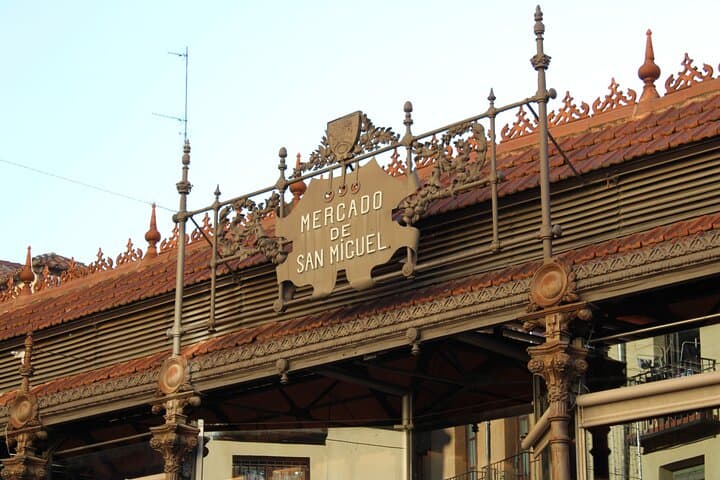
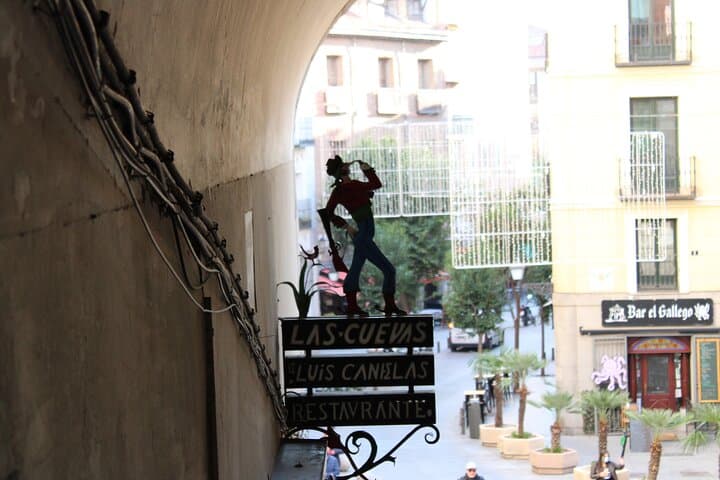
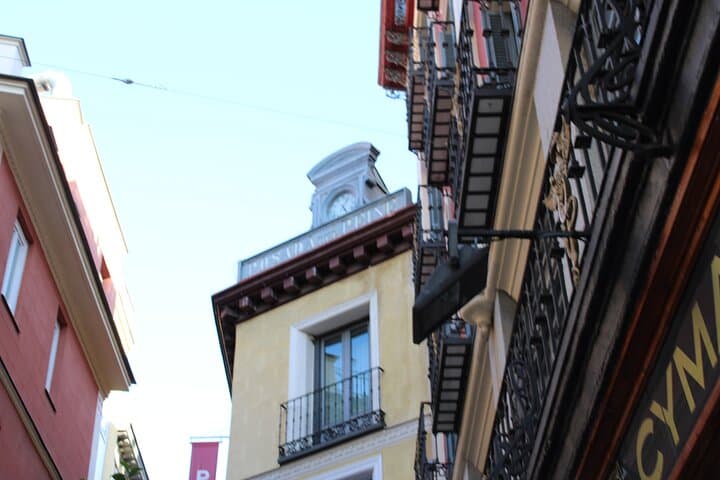
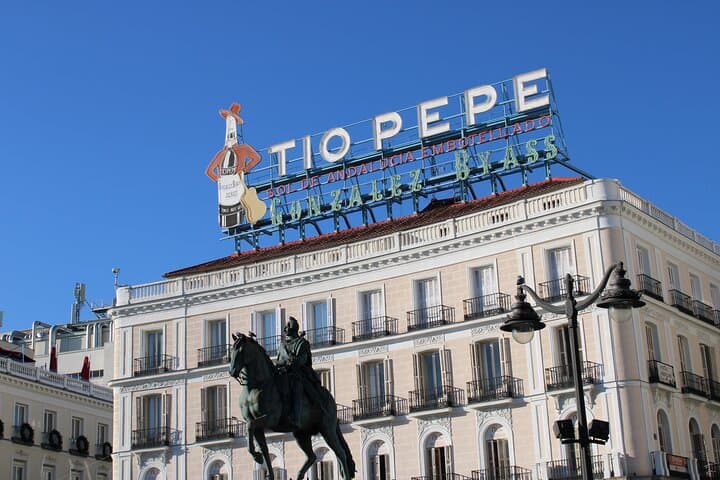
You step out of Atocha station and the city takes you. Cobbled streets give way to wide avenues, the Retiro’s trees lean over the glassy pond as if eavesdropping, and the distant bell of a cathedral keeps the beat as you move through Madrid’s layers.
You step out of Atocha station and the city takes you. Cobbled streets give way to wide avenues, the Retiro’s trees lean over the glassy pond as if eavesdropping, and the distant bell of a cathedral keeps the beat as you move through Madrid’s layers.
This private walking tour threads together Madrid’s civic spine and the old Austrias quarter. Historically, the Retiro began as a 17th-century royal retreat before opening to the public; Paseo del Prado grew from river routes to a cultural boulevard lined with museums and ornate fountains. Geology here is subtle — a plateau of granite and clay that shaped narrow streets and plazas — while culture arrives in tiled façades, tapas bars, and the spoken histories of neighborhoods like the Literary Quarter.
Expect human-scale sightseeing: Plaza Mayor’s symmetrical arcades, the viewpoint over the Royal Palace and Almudena Cathedral, Neptune’s statue with its neighborhood secrets, and tucked-away Calle del Cobo anecdotes. The guide threads legend and civic history into each stop, leaving room for questions and detours.
Practical guidance: wear comfortable walking shoes for 2–3 hours on mixed pavement; bring water and sunscreen in summer and a light waterproof in spring or fall. Morning or late-afternoon slots beat the heat and the crowds; look for a guide who adapts the route to mobility needs. This private format means flexible pacing, quick access to viewpoints, and the chance to focus on whatever interests you — food, history, or architecture — while Madrid’s streets keep nudging you forward.