THE ADVENTURE COLLECTIVE® · Independent discovery and booking for outdoor travel

Walk Fukagawa with a private guide to see Tomioka Hachimangu, Fukagawa Fudō-ji, Hōjō-in, and Kiyosumi Garden. This six‑hour neighborhood tour mixes Edo history, city waterways, and local flavors.
Walk Fukagawa with a private guide to see Tomioka Hachimangu, Fukagawa Fudō-ji, Hōjō-in, and Kiyosumi Garden. This six‑hour neighborhood tour mixes Edo history, city waterways, and local flavors.
Morning light pools on narrow streets as you step off the subway into Fukagawa — a working Tokyo neighborhood where waterways, factories, and old wooden shops push back against the city’s steel skyline.
Verified experiences and guided adventures in the surrounding area.
Operated by MY Travel Consulting · Tokyo, Tokyo
Morning light pools on narrow streets as you step off the subway into Fukagawa — a working Tokyo neighborhood where waterways, factories, and old wooden shops push back against the city’s steel skyline.
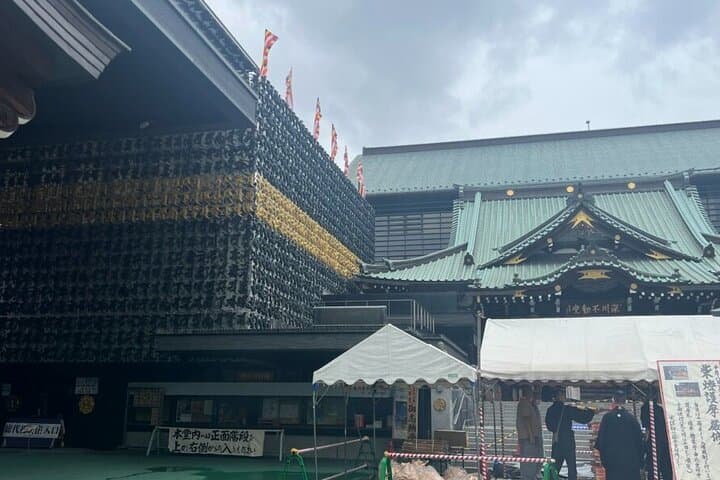
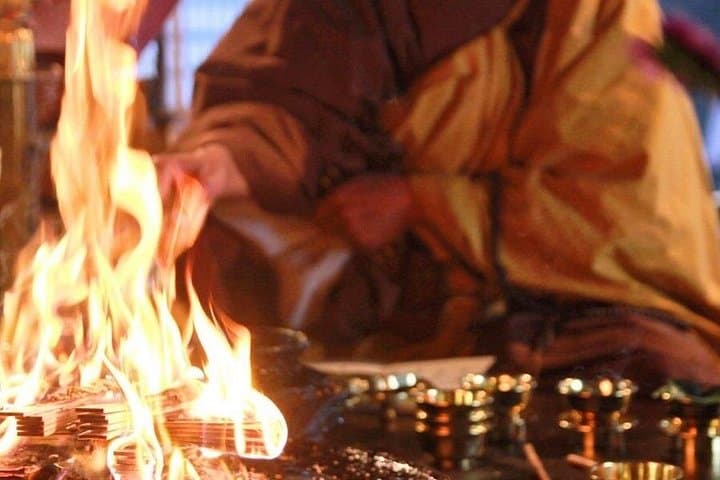
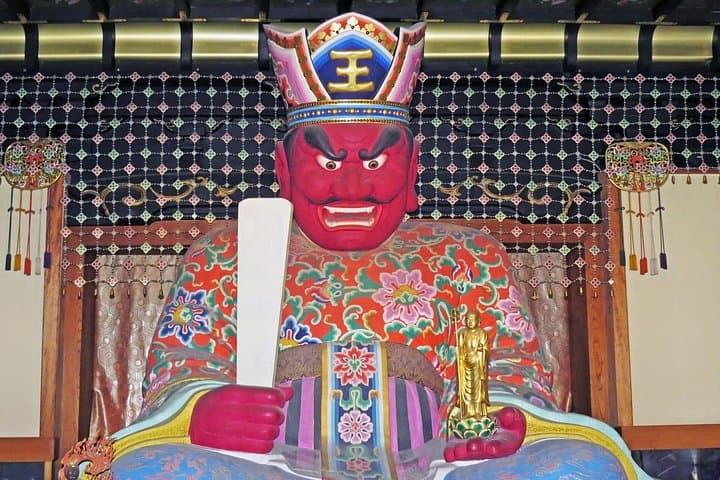
This private walking tour threads through Tomioka Hachimangu, the district’s great Hachiman shrine famed for the raucous Fukagawa Hachiman Festival, then toward Fukagawa Fudō-ji and Hōjō-in where towering statues and sumo-related stone monuments mark a living Edo legacy. Kiyosumi Garden closes the loop with its arranged stones and reflective pond, a feudal garden designed for quiet viewing and deliberate footsteps.
Fukagawa’s history is Edo history: a merchant and dockside quarter shaped by the bay, floods, and rebuilding. Geologically it sits on reclaimed alluvial land, which explains the canals and low-lying streets; culturally it’s defined by community shrines, small temples, and neighborhood eateries that survived modernization.
Expect a mix of paved sidewalks, narrow alleys, and short stairways; frequent stops at temples and a local museum include admissions. The pace is conversational and local — the guide uses public transit to connect points and will adjust the route for weather or mobility needs.
Practical guidance: wear supportive shoes for six hours of walking and standing, bring an IC transit card (Suica/Pasmo) or cash for smaller admissions, and carry a light rain jacket during Japan’s wet season. Aim for a morning start to catch shrine rituals and the garden’s quiet light. Respect temple etiquette, and leave time for a street food bite — Fukagawa rewards those who look beyond the main path.
moderate.
5–6 hours.
Moderate fitness; comfortable walking and standing for several hours, plus short stair sections and public transit transfers.
The tour runs about six hours with regular stops; expect several miles of walking at a leisurely pace with public transit between some points.
Admission fees and public transport are included per the itinerary; bring small change for incidental purchases or extra refreshments.
The tour is listed as wheelchair and stroller accessible, but it uses local buses and some locations have steps — notify the operator ahead so routes can be adjusted.
Guides are available in English, Spanish, French, and Mandarin; confirm language when booking to ensure availability.
Fukagawa developed as a dockside merchant district in Edo and preserves many temple traditions, including the historic Fukagawa Hachiman Festival centered at Tomioka Hachimangu.
Kiyosumi Garden is managed as a cultural landscape — visitors are asked to stay on paths, avoid feeding wildlife, and use designated trash bins to protect plantings and pond life.
MY Travel Consulting operates guided outdoor trips and adventures with an emphasis on safety, stewardship, and memorable experiences.
Morning light pools on narrow streets as you step off the subway into Fukagawa — a working Tokyo neighborhood where waterways, factories, and old wooden shops push back against the city’s steel skyline.
Morning light pools on narrow streets as you step off the subway into Fukagawa — a working Tokyo neighborhood where waterways, factories, and old wooden shops push back against the city’s steel skyline.
This private walking tour threads through Tomioka Hachimangu, the district’s great Hachiman shrine famed for the raucous Fukagawa Hachiman Festival, then toward Fukagawa Fudō-ji and Hōjō-in where towering statues and sumo-related stone monuments mark a living Edo legacy. Kiyosumi Garden closes the loop with its arranged stones and reflective pond, a feudal garden designed for quiet viewing and deliberate footsteps.
Fukagawa’s history is Edo history: a merchant and dockside quarter shaped by the bay, floods, and rebuilding. Geologically it sits on reclaimed alluvial land, which explains the canals and low-lying streets; culturally it’s defined by community shrines, small temples, and neighborhood eateries that survived modernization.
Expect a mix of paved sidewalks, narrow alleys, and short stairways; frequent stops at temples and a local museum include admissions. The pace is conversational and local — the guide uses public transit to connect points and will adjust the route for weather or mobility needs.
Practical guidance: wear supportive shoes for six hours of walking and standing, bring an IC transit card (Suica/Pasmo) or cash for smaller admissions, and carry a light rain jacket during Japan’s wet season. Aim for a morning start to catch shrine rituals and the garden’s quiet light. Respect temple etiquette, and leave time for a street food bite — Fukagawa rewards those who look beyond the main path.