THE ADVENTURE COLLECTIVE® · Independent discovery and booking for outdoor travel

Walk Frankfurt’s historic heart in a private, two-hour guided tour from Römerberg to the Main River — see reconstructed medieval streets, the cathedral, Kleinmarkthalle and Goethe’s house while learning local history and practical tips for exploring on foot.
Walk Frankfurt’s historic heart in a private, two-hour guided tour from Römerberg to the Main River — see reconstructed medieval streets, the cathedral, Kleinmarkthalle and Goethe’s house while learning local history and practical tips for exploring on foot.
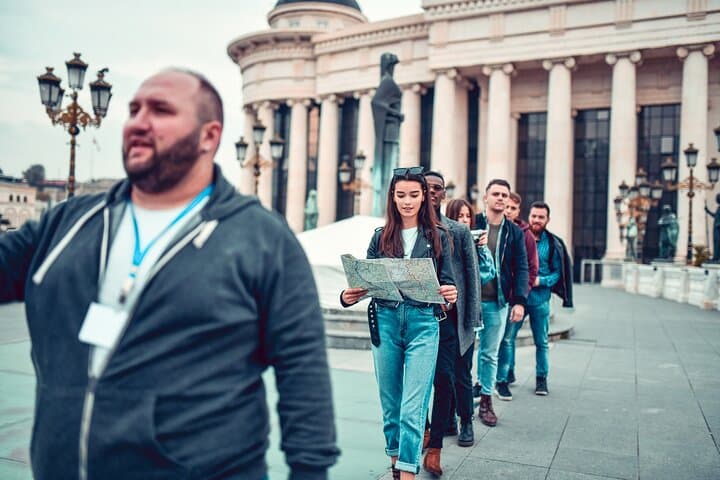
Morning light lays across the cobbles of Römerberg as a guide leads the group toward the river — the Main dares you to look across to the skyline where glass towers pierce an older skyline.
Verified experiences and guided adventures in the surrounding area.
Operated by Opatrip.com Germany · Frankfurt, Hesse
Morning light lays across the cobbles of Römerberg as a guide leads the group toward the river — the Main dares you to look across to the skyline where glass towers pierce an older skyline.
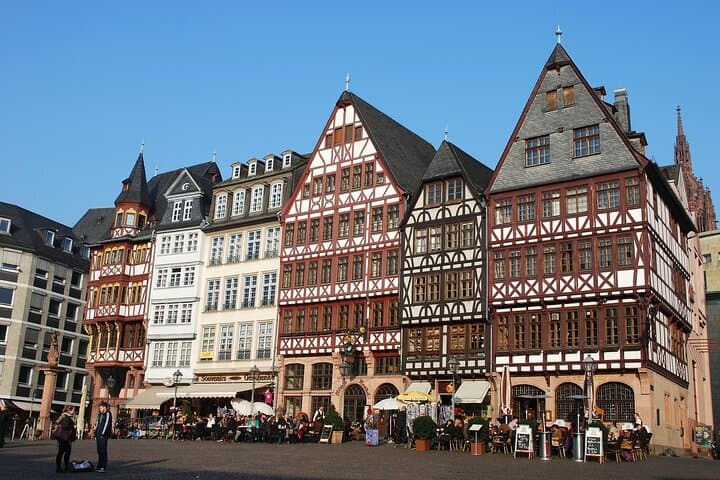
This two-hour private walking tour threads through Frankfurt’s historic core: the reconstructed New Old Town, the Gothic red-sandstone of St. Bartholomäus Cathedral, the storied façade of the Römer City Hall and the lively stalls of Kleinmarkthalle. The walk starts near the square that witnessed the birth of modern German democracy and passes narrow alleys where medieval guild houses meet modern shopfronts.
Geology and geography shape the city: the Main’s flat valley created a natural trade route, while nearby Taunus low hills supply the sandstone and clay that built many of Frankfurt’s oldest structures. Culture here is a contrast — a centuries-old civic life rubbing shoulders with Europe’s financial pulse. Local insights include how post-war reconstruction rebuilt medieval silhouettes using contemporary techniques, and how Goethe’s birthplace anchors literary history within walking distance of busy markets.
Practical guidance: expect mostly flat but uneven cobbles and short stair sections; wear supportive shoes and bring a light jacket — Frankfurt’s weather can flip within an afternoon. Aim for morning visits to catch market energy and cooler temperatures. Public transport hubs sit close by if you arrive by S-Bahn or tram. Keep a reusable bottle, a small camera, and a bit of cash for market bites. The private format allows questions, pacing, and small detours to lesser-known courtyards if requested.
easy.
2 hours.
Suitable for travelers in typical urban walking shape; minimal stamina required
The private tour lasts about 2 hours and covers roughly 1.5–2.5 kilometers at a relaxed pace with frequent stops.
Most streets are accessible but some historic cobbles and short steps may be challenging; contact the guide in advance to plan an accessible route.
Admissions are generally not included; the tour offers outside visits and can incorporate museum entry on request at additional cost.
Local guides commonly speak English and German; check the booking page or request specific languages when reserving.
Frankfurt was a Free Imperial City and a traditional coronation site; St. Bartholomew’s Cathedral hosted imperial ceremonies while the Old Town served as a guild and market center for centuries.
The New Old Town reconstruction balances heritage and modern needs — travelers are asked to respect shopfronts and limit waste; support local businesses to sustain conservation efforts.
Opatrip.com Germany operates guided outdoor trips and adventures with an emphasis on safety, stewardship, and memorable experiences.

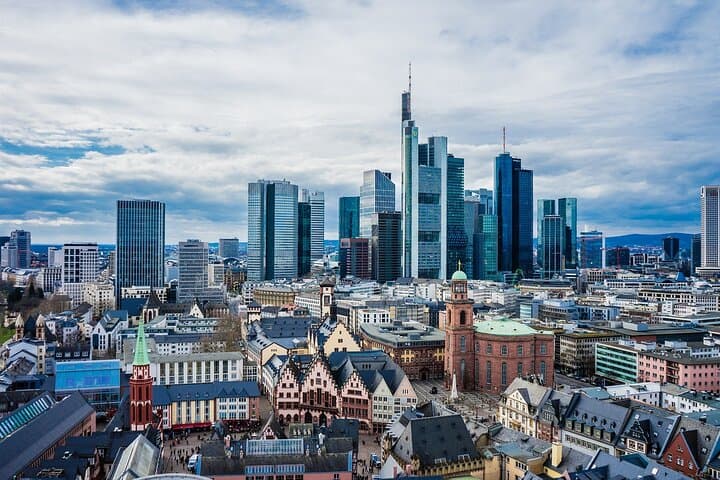
Morning light lays across the cobbles of Römerberg as a guide leads the group toward the river — the Main dares you to look across to the skyline where glass towers pierce an older skyline.
Morning light lays across the cobbles of Römerberg as a guide leads the group toward the river — the Main dares you to look across to the skyline where glass towers pierce an older skyline.
This two-hour private walking tour threads through Frankfurt’s historic core: the reconstructed New Old Town, the Gothic red-sandstone of St. Bartholomäus Cathedral, the storied façade of the Römer City Hall and the lively stalls of Kleinmarkthalle. The walk starts near the square that witnessed the birth of modern German democracy and passes narrow alleys where medieval guild houses meet modern shopfronts.
Geology and geography shape the city: the Main’s flat valley created a natural trade route, while nearby Taunus low hills supply the sandstone and clay that built many of Frankfurt’s oldest structures. Culture here is a contrast — a centuries-old civic life rubbing shoulders with Europe’s financial pulse. Local insights include how post-war reconstruction rebuilt medieval silhouettes using contemporary techniques, and how Goethe’s birthplace anchors literary history within walking distance of busy markets.
Practical guidance: expect mostly flat but uneven cobbles and short stair sections; wear supportive shoes and bring a light jacket — Frankfurt’s weather can flip within an afternoon. Aim for morning visits to catch market energy and cooler temperatures. Public transport hubs sit close by if you arrive by S-Bahn or tram. Keep a reusable bottle, a small camera, and a bit of cash for market bites. The private format allows questions, pacing, and small detours to lesser-known courtyards if requested.