THE ADVENTURE COLLECTIVE® · Independent discovery and booking for outdoor travel

Walk Fort William’s High Street with a local youth guide who blends town history, little-known stories and a view to the West Highland Way. This intimate 75‑minute private tour visits the old fort, waymarkers and town highlights, with accessible, family-friendly pacing.
Walk Fort William’s High Street with a local youth guide who blends town history, little-known stories and a view to the West Highland Way. This intimate 75‑minute private tour visits the old fort, waymarkers and town highlights, with accessible, family-friendly pacing.
You step onto the pedestrianised High Street and the sound of the loch and far-off traffic fade into a narrower world of stone and story. A local lad—aged thirteen, assisted by his mum—meets you with a grin and an encyclopedic set of local tales. He leads a compact route along the town centre, pausing by plaques, the ruined original fort, and the point where the West Highland Way meets the Great Glen Way.
Verified experiences and guided adventures in the surrounding area.
Operated by Nathaniel Tink · Fort William, Highland
You step onto the pedestrianised High Street and the sound of the loch and far-off traffic fade into a narrower world of stone and story. A local lad—aged thirteen, assisted by his mum—meets you with a grin and an encyclopedic set of local tales. He leads a compact route along the town centre, pausing by plaques, the ruined original fort, and the point where the West Highland Way meets the Great Glen Way.
Fort William’s streets reflect a layered history: a military outpost named for William of Orange, Victorian rebuilding around maritime trade, and a modern gateway for hillwalkers bound for Ben Nevis and Glen Nevis. Geologically you’re walking the Great Glen fault line; the nearby loch and glen were carved by ice, leaving steep corries above and gravelly shores below. Culturally, the town is pragmatic and hospitable—local museums and family-run shops hold artefacts that are rare in Britain.
The tour is short and deliberate: expect about 1–1.5 hours on flat, paved surfaces with minimal elevation gain (roughly 0–30m). Comfortable shoes, weatherproof layers, and a curious mind serve you best. Because the guide is young, the tone is lively and personal—ask about Ben Nevis climbs, the West Highland Way milestones, or the old fort’s stones.
Practical: bookings are private and instant; most guests finish near the West Highland Way marker, making this a good primer before longer hikes. The operator offers accessible routes and welcomes families. Bring a camera, check weather, and leave time afterward to explore a café or the lochfront.
easy.
1–1.5 hours.
Suitable for all fitness levels; involves gentle walking on paved streets
A 13‑year‑old local guide runs the tour with assistance from his mother, offering a youthful, well-researched perspective.
Yes—the route is on paved, pedestrianised streets and is listed as wheelchair and stroller accessible; confirm any special needs when booking.
It typically walks the length of the High Street, concluding near the West Highland Way marker and the ruins of the original Fort William; flexible endpoints can be arranged.
The operator cancels for bad weather; standard refund terms apply—cancel at least 24 hours in advance for a full refund.
Fort William grew around a 17th‑century fort and later Victorian rebuilding; the town sits along the Great Glen, a key geological fault and historic travel corridor.
Stick to paved routes in town and follow Leave No Trace on nearby trails; support local shops and guides to sustain the small‑town economy.
Nathaniel Tink operates guided outdoor trips and adventures with an emphasis on safety, stewardship, and memorable experiences.
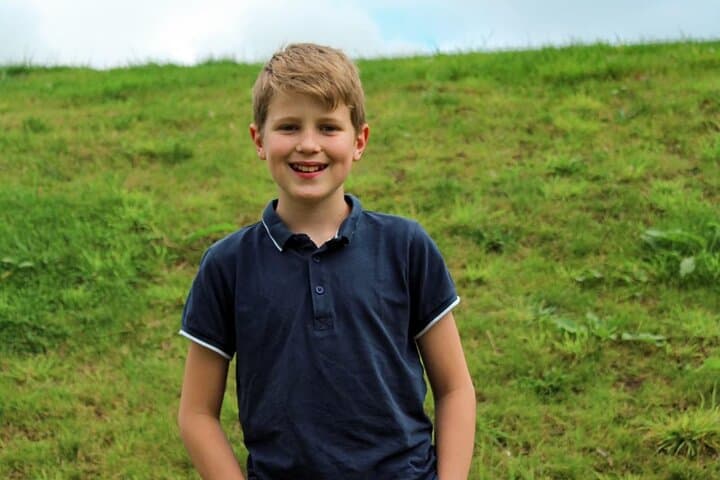
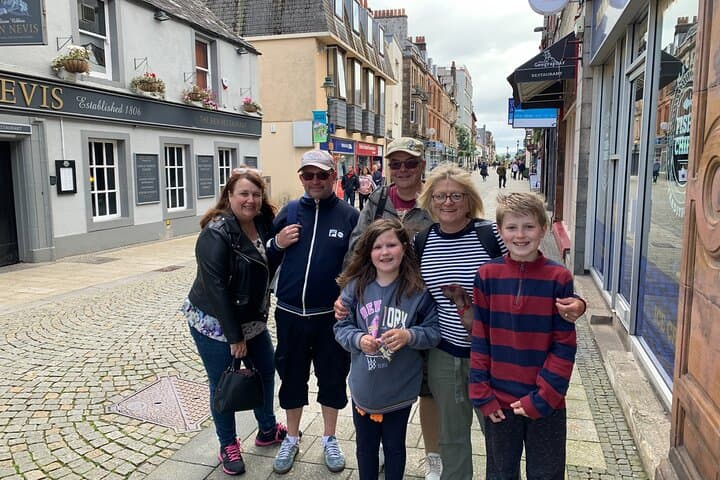
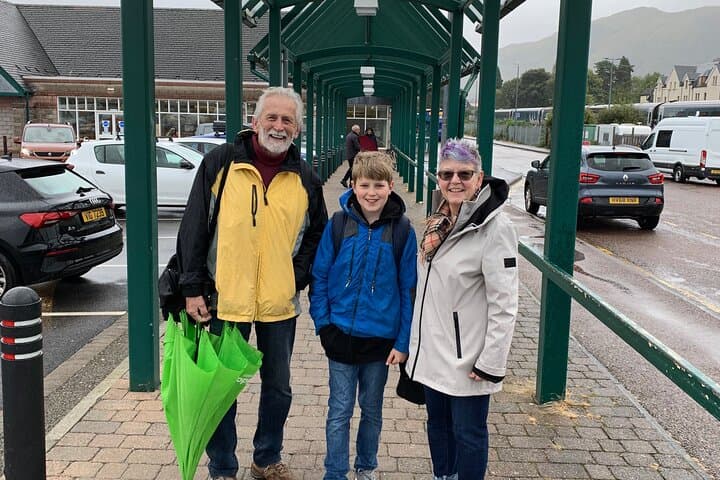
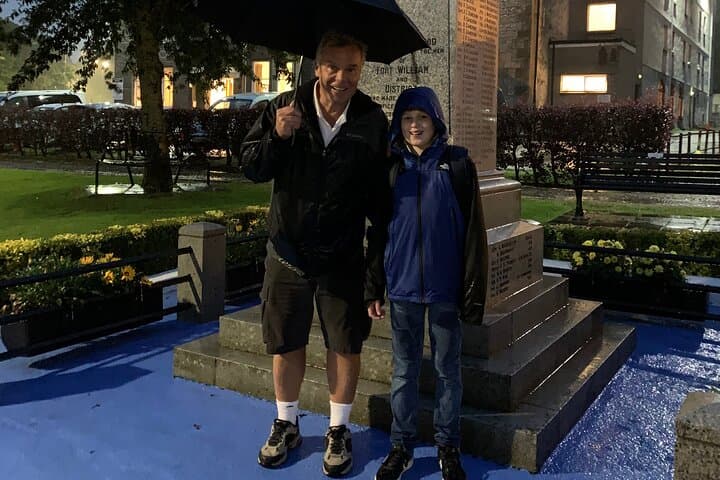
You step onto the pedestrianised High Street and the sound of the loch and far-off traffic fade into a narrower world of stone and story. A local lad—aged thirteen, assisted by his mum—meets you with a grin and an encyclopedic set of local tales. He leads a compact route along the town centre, pausing by plaques, the ruined original fort, and the point where the West Highland Way meets the Great Glen Way.
You step onto the pedestrianised High Street and the sound of the loch and far-off traffic fade into a narrower world of stone and story. A local lad—aged thirteen, assisted by his mum—meets you with a grin and an encyclopedic set of local tales. He leads a compact route along the town centre, pausing by plaques, the ruined original fort, and the point where the West Highland Way meets the Great Glen Way.
Fort William’s streets reflect a layered history: a military outpost named for William of Orange, Victorian rebuilding around maritime trade, and a modern gateway for hillwalkers bound for Ben Nevis and Glen Nevis. Geologically you’re walking the Great Glen fault line; the nearby loch and glen were carved by ice, leaving steep corries above and gravelly shores below. Culturally, the town is pragmatic and hospitable—local museums and family-run shops hold artefacts that are rare in Britain.
The tour is short and deliberate: expect about 1–1.5 hours on flat, paved surfaces with minimal elevation gain (roughly 0–30m). Comfortable shoes, weatherproof layers, and a curious mind serve you best. Because the guide is young, the tone is lively and personal—ask about Ben Nevis climbs, the West Highland Way milestones, or the old fort’s stones.
Practical: bookings are private and instant; most guests finish near the West Highland Way marker, making this a good primer before longer hikes. The operator offers accessible routes and welcomes families. Bring a camera, check weather, and leave time afterward to explore a café or the lochfront.