THE ADVENTURE COLLECTIVE® · Independent discovery and booking for outdoor travel

Cross the iconic Brooklyn Bridge on a private 2.5‑hour walking tour that threads history, engineering feats, and waterfront views into DUMBO’s cobbled streets. Ideal for visitors who want a paced, interpretive walk with local stories and practical transit tips.
Cross the iconic Brooklyn Bridge on a private 2.5‑hour walking tour that threads history, engineering feats, and waterfront views into DUMBO’s cobbled streets. Ideal for visitors who want a paced, interpretive walk with local stories and practical transit tips.
Morning light splits the bridge’s cables as walkers step onto the timbered promenade; the East River dares you with a glittering push while the skyline tilts its glass toward the horizon. Footsteps on the Brooklyn Bridge set a steady rhythm that carries a small private group from Manhattan’s plazas over the river and into DUMBO’s cobbled streets, where industrial facades hold the stories of shipping, grit, and reinvention.
Verified experiences and guided adventures in the surrounding area.
Operated by Cicerone Travel · Brooklyn, New York
Morning light splits the bridge’s cables as walkers step onto the timbered promenade; the East River dares you with a glittering push while the skyline tilts its glass toward the horizon. Footsteps on the Brooklyn Bridge set a steady rhythm that carries a small private group from Manhattan’s plazas over the river and into DUMBO’s cobbled streets, where industrial facades hold the stories of shipping, grit, and reinvention.
Completed in 1883, the Brooklyn Bridge was a 19th‑century engineering milestone—one of the world’s longest suspension spans of its day—anchored into Manhattan schist and Brooklyn bedrock and wired with innovations that reshaped cities. DUMBO (Down Under the Manhattan Bridge Overpass) later transformed from warehouses to studios and tech hubs; its carousel, waterfront parks, and reclaimed piers reveal layers of working‑port history and contemporary creative culture.
This private 2.5‑hour walking tour blends storytelling with place: bridge construction controversies, civic architecture, and riverfront gems like Jane’s Carousel and Empire‑Fulton Ferry State Park. Expect mostly flat walking with short ramps and cobbles; the crossing between anchorages is roughly 1–1.5 miles one way and involves limited elevation change but some stair access at park entrances.
Practical guidance: book early or plan for sunrise/sunset to avoid crowds, wear supportive shoes for uneven cobblestones, carry water and a charged phone for photos and transit maps, and use public transit to reach the meeting steps. The route includes accessible paths and the private format allows pace adjustments for mobility or interest. Keep to sidewalks and park paths and pack out trash—these riverfront spaces are small and heavily used.
moderate.
2–2.5 hours.
Moderate fitness for continuous walking on mixed urban surfaces; able to stand and walk for extended periods.
The tour typically meets on the steps near the Manhattan side entrance and finishes under the Brooklyn Bridge on the Brooklyn side near subway connections.
Designated paths and ramps are wheelchair accessible, and as a private tour the pace can be adjusted; however, some cobblestone areas can be uneven—notify the operator of accessibility needs when booking.
Midday and weekends draw the largest crowds; sunrise or late afternoon weekday slots are quieter for photos and a more relaxed pace.
The tour operates in most weather; check cancellation and refund policies when booking and bring rain gear—heavy storms may prompt rescheduling.
The Brooklyn Bridge opened in 1883 and symbolized industrial-era engineering innovation; DUMBO’s warehouses later converted to studios and tech offices, preserving its maritime and manufacturing past.
Stick to marked paths and pack out trash—DUMBO’s small parks and riverbanks are managed urban green spaces that need protection from heavy foot traffic.
Cicerone Travel operates guided outdoor trips and adventures with an emphasis on safety, stewardship, and memorable experiences.
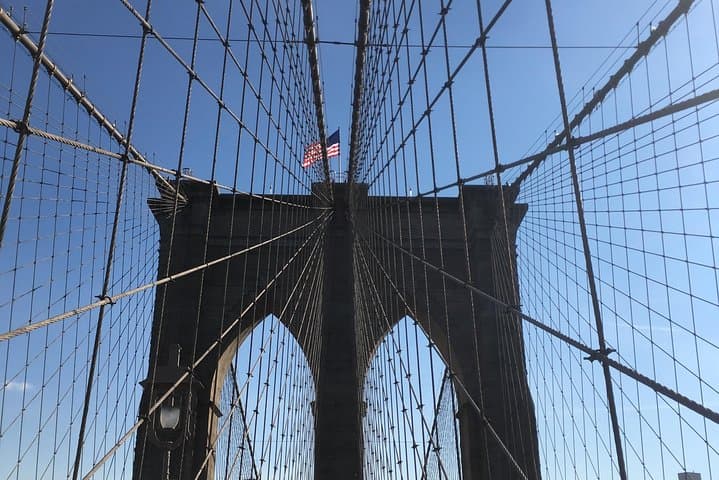
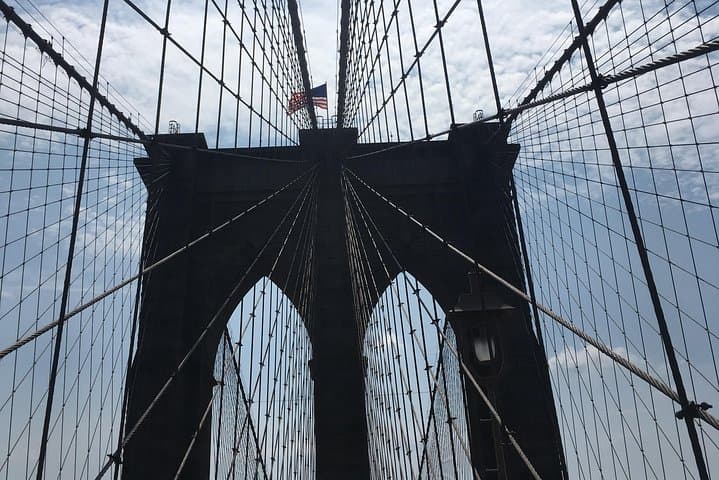
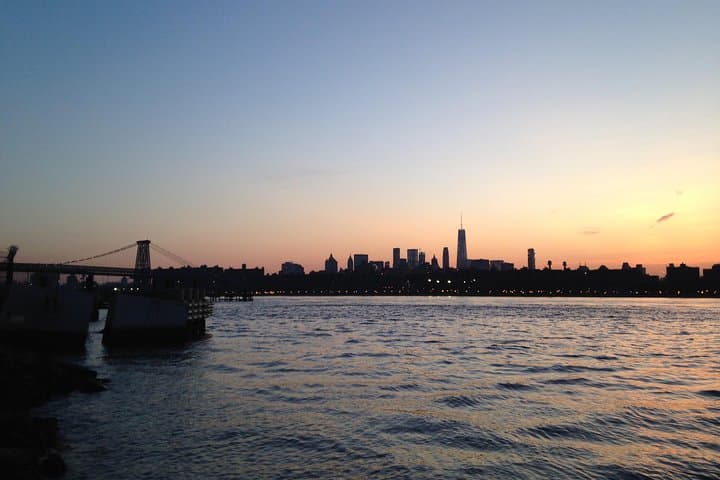
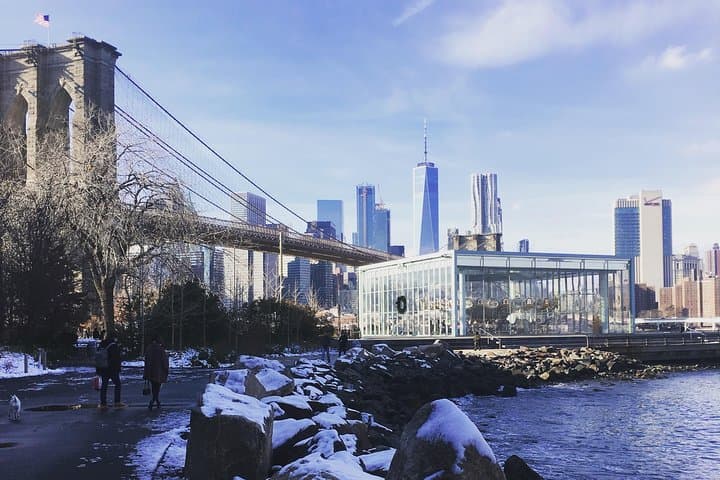
Morning light splits the bridge’s cables as walkers step onto the timbered promenade; the East River dares you with a glittering push while the skyline tilts its glass toward the horizon. Footsteps on the Brooklyn Bridge set a steady rhythm that carries a small private group from Manhattan’s plazas over the river and into DUMBO’s cobbled streets, where industrial facades hold the stories of shipping, grit, and reinvention.
Morning light splits the bridge’s cables as walkers step onto the timbered promenade; the East River dares you with a glittering push while the skyline tilts its glass toward the horizon. Footsteps on the Brooklyn Bridge set a steady rhythm that carries a small private group from Manhattan’s plazas over the river and into DUMBO’s cobbled streets, where industrial facades hold the stories of shipping, grit, and reinvention.
Completed in 1883, the Brooklyn Bridge was a 19th‑century engineering milestone—one of the world’s longest suspension spans of its day—anchored into Manhattan schist and Brooklyn bedrock and wired with innovations that reshaped cities. DUMBO (Down Under the Manhattan Bridge Overpass) later transformed from warehouses to studios and tech hubs; its carousel, waterfront parks, and reclaimed piers reveal layers of working‑port history and contemporary creative culture.
This private 2.5‑hour walking tour blends storytelling with place: bridge construction controversies, civic architecture, and riverfront gems like Jane’s Carousel and Empire‑Fulton Ferry State Park. Expect mostly flat walking with short ramps and cobbles; the crossing between anchorages is roughly 1–1.5 miles one way and involves limited elevation change but some stair access at park entrances.
Practical guidance: book early or plan for sunrise/sunset to avoid crowds, wear supportive shoes for uneven cobblestones, carry water and a charged phone for photos and transit maps, and use public transit to reach the meeting steps. The route includes accessible paths and the private format allows pace adjustments for mobility or interest. Keep to sidewalks and park paths and pack out trash—these riverfront spaces are small and heavily used.