THE ADVENTURE COLLECTIVE® · Independent discovery and booking for outdoor travel

Walk the rise of ancient Athens with a private guide: from the Acropolis Museum’s curated antiquities to the Parthenon’s classical profile. This three-hour tour balances close-up history with practical logistics for first-time and returning visitors.
Walk the rise of ancient Athens with a private guide: from the Acropolis Museum’s curated antiquities to the Parthenon’s classical profile. This three-hour tour balances close-up history with practical logistics for first-time and returning visitors.
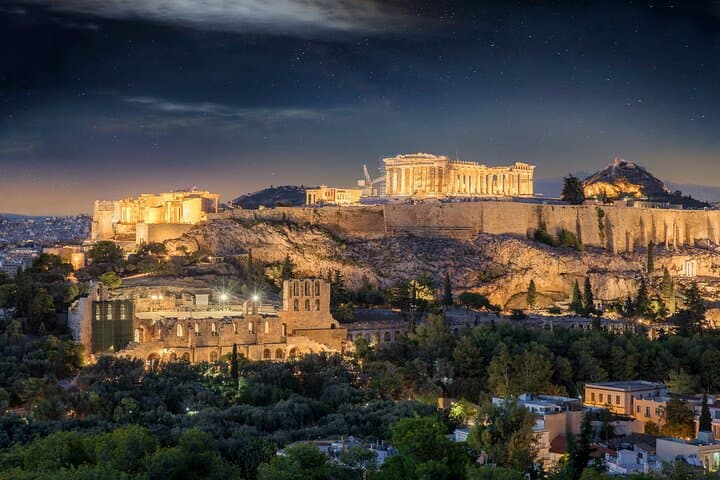
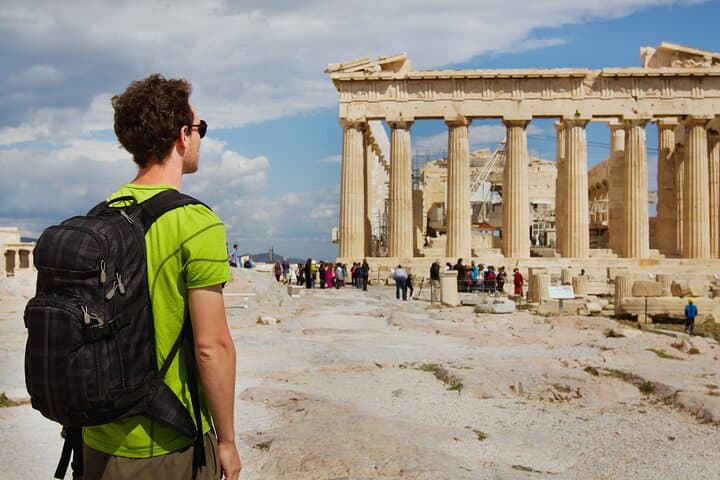
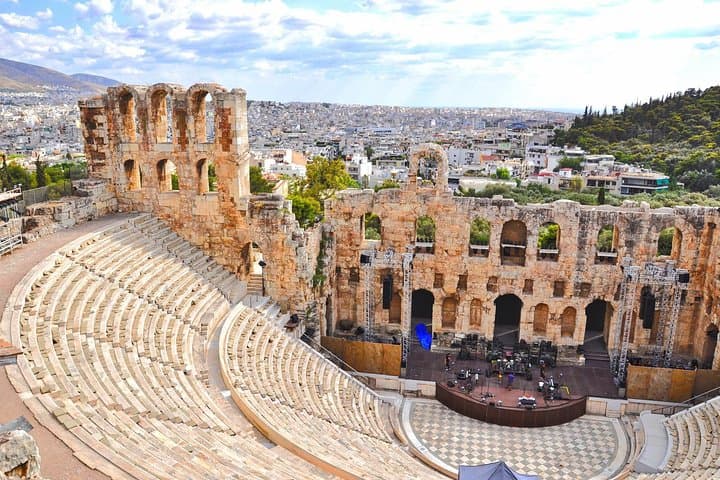
Morning light pins the Parthenon’s pediments in gold as you step out of the narrow lanes of Plaka and begin the climb toward Athens’ sacred rock. Your private guide sets the pace, pausing at weathered steps and marble fragments while the city hums below. The route moves from the modern clarity of the Acropolis Museum to the ancient theatre of Herodes Atticus and up onto the limestone outcrop where classical architecture still commands the skyline.
Verified experiences and guided adventures in the surrounding area.
Operated by Opatrip.com Greece · Athens, Attica
Morning light pins the Parthenon’s pediments in gold as you step out of the narrow lanes of Plaka and begin the climb toward Athens’ sacred rock. Your private guide sets the pace, pausing at weathered steps and marble fragments while the city hums below. The route moves from the modern clarity of the Acropolis Museum to the ancient theatre of Herodes Atticus and up onto the limestone outcrop where classical architecture still commands the skyline.
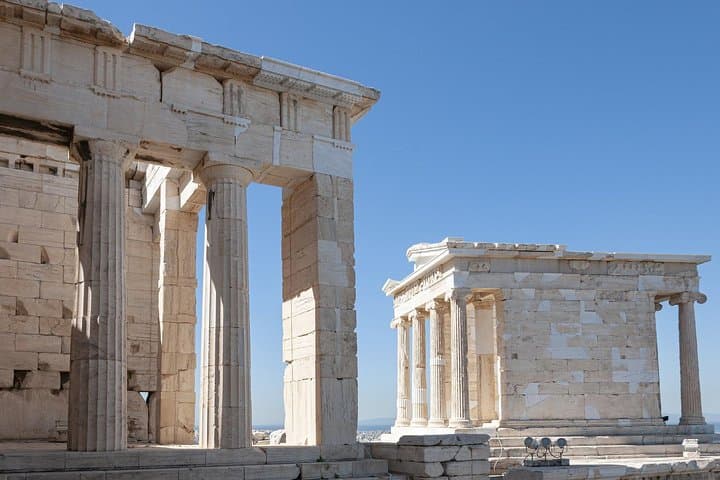
Geology and history are inseparable here: the Acropolis rises from a compact limestone hill about 150 meters above sea level, its surfaces scoured by millennia of wind and footsteps. The Parthenon, finished in the 5th century BCE under Pericles, and the delicate Erechtheion with its Caryatid porch exemplify Athenian civic and religious life. Nearby, the Odeon of Herodes Atticus reminds visitors that performance and public life have always threaded through these stones.
Culturally, this is a place of continuous reinvention—from ancient worship to Ottoman occupation to modern Greece—and the Acropolis Museum bridges those eras with artifacts displayed in climate-controlled light.
Practically, expect three hours of mostly paved but uneven ancient stone and stepped approaches; admission is typically separate from the guided fee. Wear grippy shoes, carry water and sun protection, and plan an early slot in summer to avoid heat and crowds. Photography is generous but follow signage around sensitive monuments. A private guide makes navigation and interpretation efficient—bring comfortable legs and curiosity, and the Acropolis will reward both.
easy.
3 hours.
Suitable for most fitness levels but requires walking on uneven stone and uphill sections; expect stairs and brief steep approaches.
Admission is typically not included—book Acropolis tickets separately online or ask the operator to add them when arranging your tour.
The walking tour is rated easy but the Acropolis itself has uneven ancient stone and multiple steps; wheelchair access is limited and some areas are not accessible.
This product includes a certified local guide; language options vary—confirm the guide language with the operator when booking.
The standard duration is three hours. As a private tour, the itinerary can often be tailored—contact the provider in advance for adjustments.
The Acropolis served as the religious and political heart of Athens during the 5th century BCE; Pericles led the major building program that produced the Parthenon.
Heavy visitor traffic and past pollution have damaged marble; ongoing restoration uses sensitive methods—follow marked paths and avoid touching sculptures.
Opatrip.com Greece operates guided outdoor trips and adventures with an emphasis on safety, stewardship, and memorable experiences.
Morning light pins the Parthenon’s pediments in gold as you step out of the narrow lanes of Plaka and begin the climb toward Athens’ sacred rock. Your private guide sets the pace, pausing at weathered steps and marble fragments while the city hums below. The route moves from the modern clarity of the Acropolis Museum to the ancient theatre of Herodes Atticus and up onto the limestone outcrop where classical architecture still commands the skyline.
Morning light pins the Parthenon’s pediments in gold as you step out of the narrow lanes of Plaka and begin the climb toward Athens’ sacred rock. Your private guide sets the pace, pausing at weathered steps and marble fragments while the city hums below. The route moves from the modern clarity of the Acropolis Museum to the ancient theatre of Herodes Atticus and up onto the limestone outcrop where classical architecture still commands the skyline.
Geology and history are inseparable here: the Acropolis rises from a compact limestone hill about 150 meters above sea level, its surfaces scoured by millennia of wind and footsteps. The Parthenon, finished in the 5th century BCE under Pericles, and the delicate Erechtheion with its Caryatid porch exemplify Athenian civic and religious life. Nearby, the Odeon of Herodes Atticus reminds visitors that performance and public life have always threaded through these stones.
Culturally, this is a place of continuous reinvention—from ancient worship to Ottoman occupation to modern Greece—and the Acropolis Museum bridges those eras with artifacts displayed in climate-controlled light.
Practically, expect three hours of mostly paved but uneven ancient stone and stepped approaches; admission is typically separate from the guided fee. Wear grippy shoes, carry water and sun protection, and plan an early slot in summer to avoid heat and crowds. Photography is generous but follow signage around sensitive monuments. A private guide makes navigation and interpretation efficient—bring comfortable legs and curiosity, and the Acropolis will reward both.