THE ADVENTURE COLLECTIVE® · Independent discovery and booking for outdoor travel

Swap Auckland’s bustle for an intimate, private day trip to Waitomo: glide through glowworm-lit caverns, stand above Marokopa Falls, and walk tawa forest tracks. This practical guide covers what to expect, how to prepare, and local insights to make the most of the day.
Swap Auckland’s bustle for an intimate, private day trip to Waitomo: glide through glowworm-lit caverns, stand above Marokopa Falls, and walk tawa forest tracks. This practical guide covers what to expect, how to prepare, and local insights to make the most of the day.
A hush falls as the coach slips off the motorway and the farmland gives way to folded karst country; windows frame low ridges, sheep paddocks and sudden limestone bluffs. On a private day trip from Auckland, travelers trade the city’s skyline for the cool hollow of Waitomo’s caves, where a river-threaded cave lights up from within and glowworms hover like a living night-sky.
Verified experiences and guided adventures in the surrounding area.
Operated by taxiGo Limo Airport Service · Waitomo, Waikato
A hush falls as the coach slips off the motorway and the farmland gives way to folded karst country; windows frame low ridges, sheep paddocks and sudden limestone bluffs. On a private day trip from Auckland, travelers trade the city’s skyline for the cool hollow of Waitomo’s caves, where a river-threaded cave lights up from within and glowworms hover like a living night-sky.
The Waitomo region sits on Tertiary limestone carved by subterranean streams; the caves are part of a larger streamway system that includes Ruakuri and nearby passages mapped by generations of Māori and European explorers. Arachnocampa luminosa, the glowworm unique to Aotearoa, clings to cave ceilings and guides the eye along sinuous flowstone. Aboveground, north‑island tawa and nikau forest cloak walking tracks and frame views of Marokopa Falls tumbling over undercut greywacke.
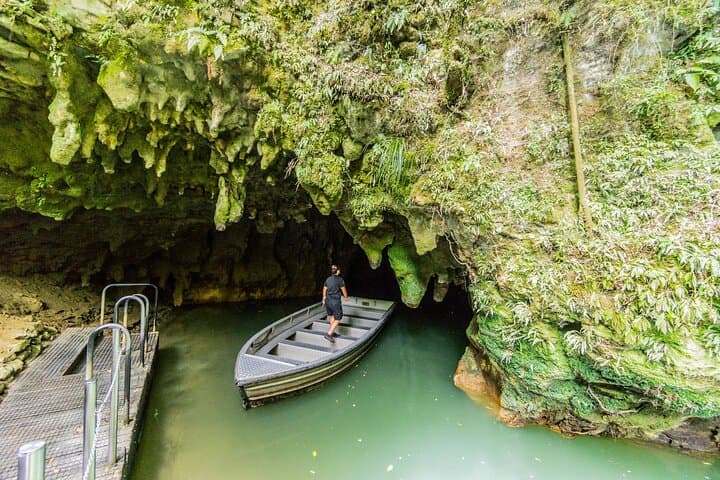
Culturally, Waitomo sits within Ngāti Maniapoto rohe and the area’s caves have long been places of storytelling and resource-gathering. Today’s guided visits balance visitor access with cave conservation: low-light viewing, quiet boats through the glow zone, and defined boardwalks protect delicate formations and the glowworms’ microhabitat.
Practicalities: expect a roughly three-hour drive each way from Auckland and a full-day itinerary (about 10–11 hours). The guided cave segment runs ~60–90 minutes; walking sections include short stairs and slick surfaces. Bring a warm layer, sturdy footwear with good grip, and a dry pack for cameras; lighting is dim and phone flash will wash out glowworm displays. Weather can change quickly—plan for wet roads in winter and spring. If you want more independence, request the two-hour self-walk drop-off window to explore the village or nearby short tracks.
easy.
10–11 hours.
Suitable for most fitness levels; requires short walks, some stairs, and the ability to board a small boat for the glowworm viewing.
Expect about a three-hour drive one-way depending on traffic; the tour schedules roughly 180 minutes each way.
Glowworms are generally visible year-round in their dark cave habitats, but bright lights, noise or flash photography can make them harder to see.
Parts of the cave system have boardwalks and stairs; accessibility varies—contact the operator ahead to discuss specific mobility needs.
Yes—the itinerary includes about two hours of free time where the guide can drop you at a convenient spot for independent walks or visiting the village.
The caves have been known and used by local Māori for generations and were among the first natural attractions developed for tourism in New Zealand in the late 19th and early 20th centuries.
Tours follow low-light and quiet policies to protect glowworms and cave fauna; stay on boardwalks and avoid touching formations to prevent oil contamination.
taxiGo Limo Airport Service operates guided outdoor trips and adventures with an emphasis on safety, stewardship, and memorable experiences.
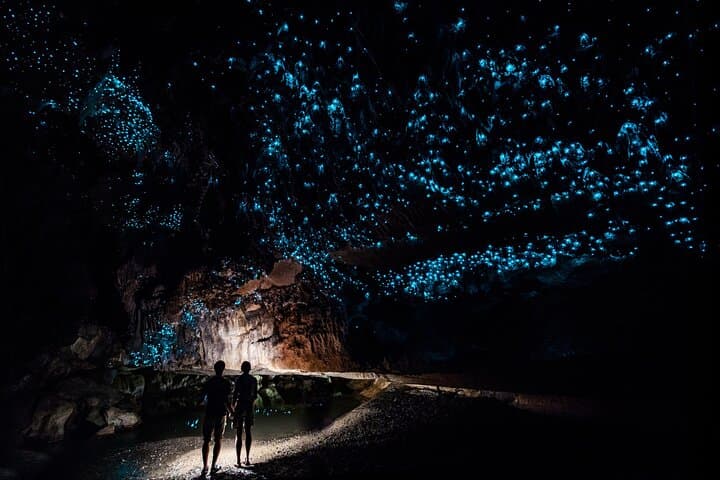

A hush falls as the coach slips off the motorway and the farmland gives way to folded karst country; windows frame low ridges, sheep paddocks and sudden limestone bluffs. On a private day trip from Auckland, travelers trade the city’s skyline for the cool hollow of Waitomo’s caves, where a river-threaded cave lights up from within and glowworms hover like a living night-sky.
A hush falls as the coach slips off the motorway and the farmland gives way to folded karst country; windows frame low ridges, sheep paddocks and sudden limestone bluffs. On a private day trip from Auckland, travelers trade the city’s skyline for the cool hollow of Waitomo’s caves, where a river-threaded cave lights up from within and glowworms hover like a living night-sky.
The Waitomo region sits on Tertiary limestone carved by subterranean streams; the caves are part of a larger streamway system that includes Ruakuri and nearby passages mapped by generations of Māori and European explorers. Arachnocampa luminosa, the glowworm unique to Aotearoa, clings to cave ceilings and guides the eye along sinuous flowstone. Aboveground, north‑island tawa and nikau forest cloak walking tracks and frame views of Marokopa Falls tumbling over undercut greywacke.
Culturally, Waitomo sits within Ngāti Maniapoto rohe and the area’s caves have long been places of storytelling and resource-gathering. Today’s guided visits balance visitor access with cave conservation: low-light viewing, quiet boats through the glow zone, and defined boardwalks protect delicate formations and the glowworms’ microhabitat.
Practicalities: expect a roughly three-hour drive each way from Auckland and a full-day itinerary (about 10–11 hours). The guided cave segment runs ~60–90 minutes; walking sections include short stairs and slick surfaces. Bring a warm layer, sturdy footwear with good grip, and a dry pack for cameras; lighting is dim and phone flash will wash out glowworm displays. Weather can change quickly—plan for wet roads in winter and spring. If you want more independence, request the two-hour self-walk drop-off window to explore the village or nearby short tracks.