THE ADVENTURE COLLECTIVE® · Independent discovery and booking for outdoor travel

Kayak exclusive-access steaming cliffs on Lake Rotomahana with a private guide, combining a Waimangu Valley walk and on-water views of geothermal vents and colorful mineral faces. Perfect for beginners and anyone wanting a rare vantage of Rotorua’s volcanic landscape.
Kayak exclusive-access steaming cliffs on Lake Rotomahana with a private guide, combining a Waimangu Valley walk and on-water views of geothermal vents and colorful mineral faces. Perfect for beginners and anyone wanting a rare vantage of Rotorua’s volcanic landscape.
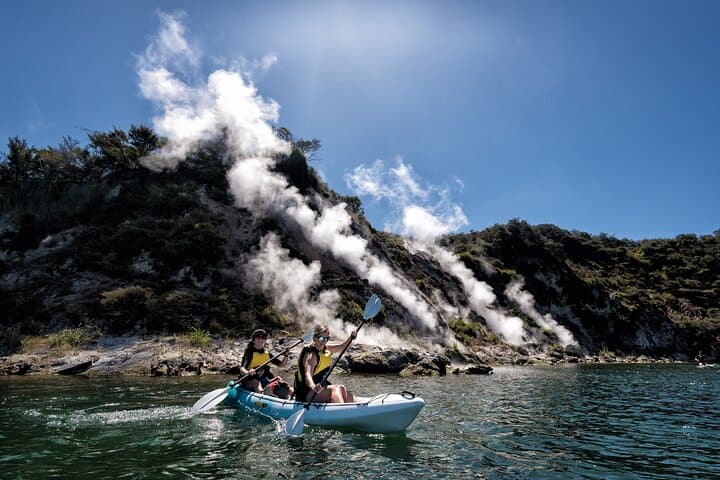
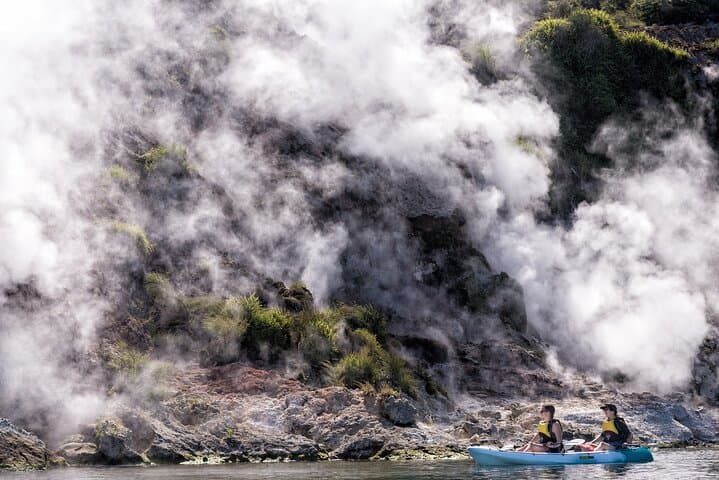
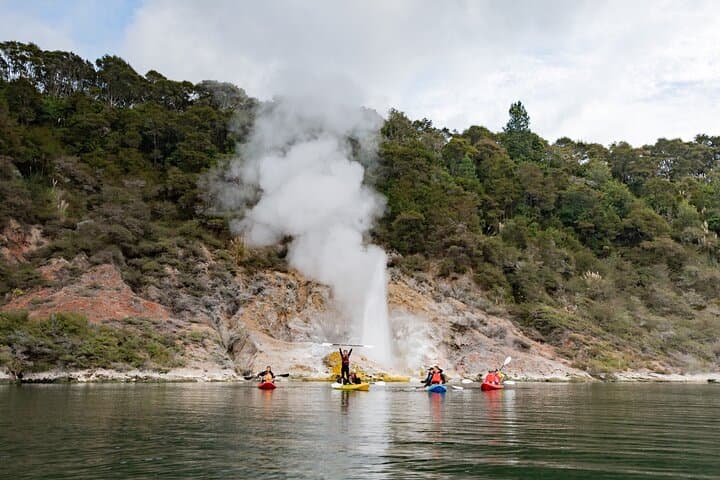
You push off from a black-oxide shoreline and the lake answers with a soft resistance, steam rising in theatrical curtains from cliffs that still remember the 1886 Tarawera eruption. The guide paddles easily, pointing where vents breathe and where colorful mineral deposits streak the rock—this is Lake Rotomahana seen from water level, a perspective few get to hold.
Verified experiences and guided adventures in the surrounding area.
Operated by Taiao Adventures · Rotorua, Bay of Plenty
You push off from a black-oxide shoreline and the lake answers with a soft resistance, steam rising in theatrical curtains from cliffs that still remember the 1886 Tarawera eruption. The guide paddles easily, pointing where vents breathe and where colorful mineral deposits streak the rock—this is Lake Rotomahana seen from water level, a perspective few get to hold.
Geology here is recent and loud: Waimangu is the world’s youngest geothermal system, formed in the aftermath of Mount Tarawera’s eruption. The lake basin once hosted the famed Pink and White Terraces; researchers continue to study whether fragments remain under the sediment. Māori history threads the tour—guides explain local iwi connections, place names, and cultural context for geothermal use and protection.
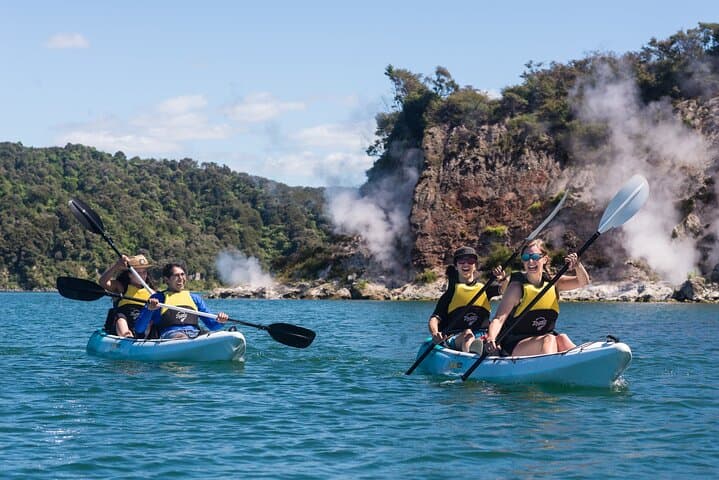
The experience begins with a guided walk through native forest and boardwalks, a chance to study steaming fumaroles and Frying Pan Lake before your kayak briefing. On-water, the steaming cliffs dominate the senses: heat rising, mineral colors vivid against dark water, and the occasional hiss of venting gas. The paddling is short and deliberate—no whitewater, but a steady focus on technique and safety gives access to otherwise inaccessible viewpoints.
Practical notes: wear quick-drying layers, sun protection, and footwear that grips wet surfaces. Expect a mixed program of walking and gentle paddling over about five hours total, with gear and lunch provided. The tour is private and suitable for beginners aged 5+, making it a rare, low-stress way to witness Rotorua’s geothermal power up close.
easy.
5 hours.
Light aerobic fitness—able to walk 20–45 minutes on uneven boardwalks and paddle a short distance while seated.
No—guides provide safety instruction and the on-water section is suitable for beginners and families aged 5 and up.
The full program runs about five hours including the valley walk; the kayak leg is a shorter, guided paddle designed for sightseeing rather than endurance.
Yes—local guides include cultural insights and context about iwi connections to the land and geothermal features during the walk and on the water.
Tours may be canceled for safety in poor weather; the operator typically offers a full refund if canceled at least 24 hours before departure or reschedules when possible.
The 1886 Tarawera eruption reshaped the landscape and buried parts of the Pink and White Terraces; Waimangu formed as a direct result of that event.
Stay on marked paths and avoid touching thermal features; geothermal ecosystems are fragile and guided access helps minimize visitor impact.
Taiao Adventures operates guided outdoor trips and adventures with an emphasis on safety, stewardship, and memorable experiences.
You push off from a black-oxide shoreline and the lake answers with a soft resistance, steam rising in theatrical curtains from cliffs that still remember the 1886 Tarawera eruption. The guide paddles easily, pointing where vents breathe and where colorful mineral deposits streak the rock—this is Lake Rotomahana seen from water level, a perspective few get to hold.
You push off from a black-oxide shoreline and the lake answers with a soft resistance, steam rising in theatrical curtains from cliffs that still remember the 1886 Tarawera eruption. The guide paddles easily, pointing where vents breathe and where colorful mineral deposits streak the rock—this is Lake Rotomahana seen from water level, a perspective few get to hold.
Geology here is recent and loud: Waimangu is the world’s youngest geothermal system, formed in the aftermath of Mount Tarawera’s eruption. The lake basin once hosted the famed Pink and White Terraces; researchers continue to study whether fragments remain under the sediment. Māori history threads the tour—guides explain local iwi connections, place names, and cultural context for geothermal use and protection.
The experience begins with a guided walk through native forest and boardwalks, a chance to study steaming fumaroles and Frying Pan Lake before your kayak briefing. On-water, the steaming cliffs dominate the senses: heat rising, mineral colors vivid against dark water, and the occasional hiss of venting gas. The paddling is short and deliberate—no whitewater, but a steady focus on technique and safety gives access to otherwise inaccessible viewpoints.
Practical notes: wear quick-drying layers, sun protection, and footwear that grips wet surfaces. Expect a mixed program of walking and gentle paddling over about five hours total, with gear and lunch provided. The tour is private and suitable for beginners aged 5+, making it a rare, low-stress way to witness Rotorua’s geothermal power up close.