THE ADVENTURE COLLECTIVE® · Independent discovery and booking for outdoor travel

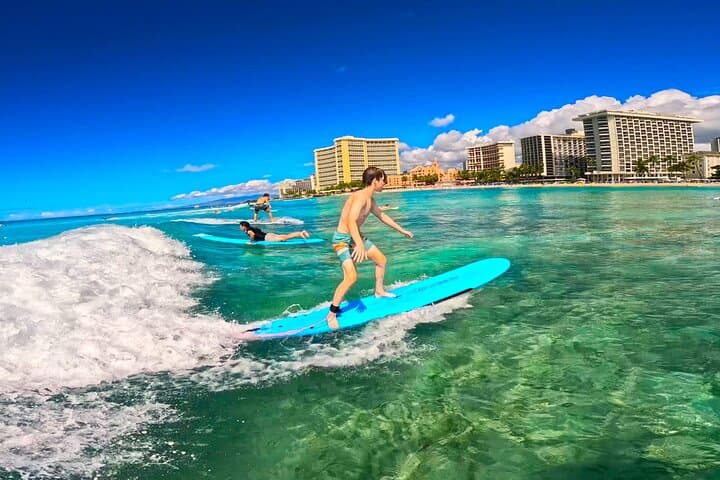
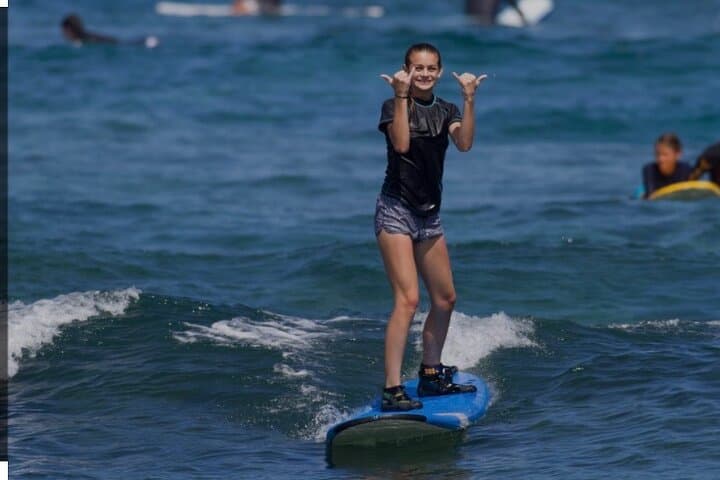
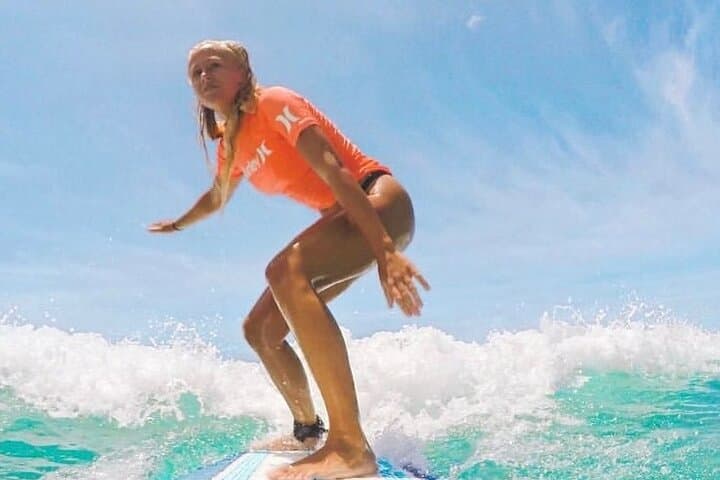
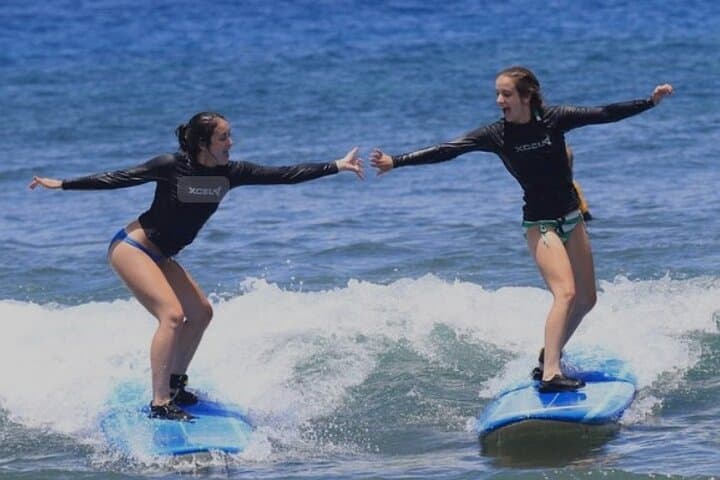
Learn to stand on a board at Waikiki’s gentle reef breaks with a private 60-minute lesson from licensed local watermen. Meet at Kuhio Beach for land drills, paddle out to rolling longboard waves, and expect to catch your first ride during the session.
Learn to stand on a board at Waikiki’s gentle reef breaks with a private 60-minute lesson from licensed local watermen. Meet at Kuhio Beach for land drills, paddle out to rolling longboard waves, and expect to catch your first ride during the session.
The first paddle out is always loud: the ocean breathes in, pushes a clean shoulder of water toward the sand, and the instructor points it out with the ease of someone who grew up reading the tide. In Waikiki, students meet at the Kuhio Beach Hula Show corner of Kalakaua and Uluniu, where a quick land lesson on stance and the pop-up precedes a short paddle to a forgiving longboard break.
Verified experiences and guided adventures in the surrounding area.
Operated by Hawaiian Boy Surf School · Honolulu, Hawaii
The first paddle out is always loud: the ocean breathes in, pushes a clean shoulder of water toward the sand, and the instructor points it out with the ease of someone who grew up reading the tide. In Waikiki, students meet at the Kuhio Beach Hula Show corner of Kalakaua and Uluniu, where a quick land lesson on stance and the pop-up precedes a short paddle to a forgiving longboard break.
Waikiki’s beach breaks sit on a shallow reef platform formed from ancient coral and volcanic outflow, which over decades has created the long, rolling waves that made the area a global surf classroom. Culturally, surfing here is tied to Hawaiian watermanship — instructors often teach routines handed down from native surfers who balanced competitive skill with local respect for the sea.
Expect calm, clear water with manageable waves ideal for first stands. The lesson is a private 60-minute session: instructors provide boards, guide paddling technique, and aim to get students to their first wave before the hour ends. Public transit stops nearby; plan extra time to change and warm up on the sand.
Practical: wear a rash guard or swimsuit, apply reef-safe sunscreen, and bring a towel and water. If you can swim and are comfortable in waist-to-chest deep water, you’ll do fine. Avoid the lesson if pregnant or if you have serious heart issues. Cancel up to 24 hours for a full refund. Morning sessions are cooler and less crowded; late afternoon offers softer light but slightly bumpier conditions. Respect local etiquette: wait your turn, don’t drop in on other riders, and follow your instructor’s signals.
easy.
60 minutes.
Suitable for beginners with basic swimming ability and moderate upper-body stamina for short paddling bursts.
No — lessons are designed for beginners and focus on safety, paddling, and the pop-up so you can catch your first wave.
The operator’s policy allows cancellation up to 24 hours for a full refund; instructors may reschedule based on unsafe ocean conditions.
Yes — surfboards are included; bring your own rash guard and reef-safe sunscreen for comfort and protection.
Yes — but check age limits with the operator; infants and small children can be stroller-accessible onshore, and basic swimming ability is recommended.
Waikiki’s waves were central to Hawaiian surf culture; early watermen like Duke Kahanamoku popularized longboard riding here in the early 20th century.
Use reef-safe sunscreen and avoid standing on coral; local groups monitor reef health and encourage visitors to minimize contact with marine life.
Hawaiian Boy Surf School operates guided outdoor trips and adventures with an emphasis on safety, stewardship, and memorable experiences.
The first paddle out is always loud: the ocean breathes in, pushes a clean shoulder of water toward the sand, and the instructor points it out with the ease of someone who grew up reading the tide. In Waikiki, students meet at the Kuhio Beach Hula Show corner of Kalakaua and Uluniu, where a quick land lesson on stance and the pop-up precedes a short paddle to a forgiving longboard break.
The first paddle out is always loud: the ocean breathes in, pushes a clean shoulder of water toward the sand, and the instructor points it out with the ease of someone who grew up reading the tide. In Waikiki, students meet at the Kuhio Beach Hula Show corner of Kalakaua and Uluniu, where a quick land lesson on stance and the pop-up precedes a short paddle to a forgiving longboard break.
Waikiki’s beach breaks sit on a shallow reef platform formed from ancient coral and volcanic outflow, which over decades has created the long, rolling waves that made the area a global surf classroom. Culturally, surfing here is tied to Hawaiian watermanship — instructors often teach routines handed down from native surfers who balanced competitive skill with local respect for the sea.
Expect calm, clear water with manageable waves ideal for first stands. The lesson is a private 60-minute session: instructors provide boards, guide paddling technique, and aim to get students to their first wave before the hour ends. Public transit stops nearby; plan extra time to change and warm up on the sand.
Practical: wear a rash guard or swimsuit, apply reef-safe sunscreen, and bring a towel and water. If you can swim and are comfortable in waist-to-chest deep water, you’ll do fine. Avoid the lesson if pregnant or if you have serious heart issues. Cancel up to 24 hours for a full refund. Morning sessions are cooler and less crowded; late afternoon offers softer light but slightly bumpier conditions. Respect local etiquette: wait your turn, don’t drop in on other riders, and follow your instructor’s signals.