THE ADVENTURE COLLECTIVE® · Independent discovery and booking for outdoor travel

Drive from Hilo into the shifting landscapes of Hawai‘i Volcanoes National Park on a private seven-hour tour that mixes culture, coffee tastings, and close-but-safe views of recent lava activity. Expect variable weather, short walks on volcanic terrain, and interpretive stops designed for photographers and families.
Drive from Hilo into the shifting landscapes of Hawai‘i Volcanoes National Park on a private seven-hour tour that mixes culture, coffee tastings, and close-but-safe views of recent lava activity. Expect variable weather, short walks on volcanic terrain, and interpretive stops designed for photographers and families.
A mauka breeze skims the rental van as it leaves Hilo’s palm-lined streets and climbs toward the raw, wind-brushed flank of Kīlauea. Within an hour the air cools, ’ōhiʻa and ferns close in, and volcanic rock, black and silver, begins to show through the canopy. On this private, seven-hour route you hop from Hilo’s landmark stops — a black-sand shoreline, a serene Japanese garden, and a cascade that throws rainbows — into the quieter, impatient geology of Hawai‘i Volcanoes National Park, where the ground still remembers its last outburst.
Verified experiences and guided adventures in the surrounding area.
Operated by Dynamic Tour Maui · Hilo, Hawaii
A mauka breeze skims the rental van as it leaves Hilo’s palm-lined streets and climbs toward the raw, wind-brushed flank of Kīlauea. Within an hour the air cools, ’ōhiʻa and ferns close in, and volcanic rock, black and silver, begins to show through the canopy. On this private, seven-hour route you hop from Hilo’s landmark stops — a black-sand shoreline, a serene Japanese garden, and a cascade that throws rainbows — into the quieter, impatient geology of Hawai‘i Volcanoes National Park, where the ground still remembers its last outburst.
The island itself is a living geology lesson. Kīlauea, one of the world’s most active volcanoes, has rebuilt coastline and reshaped forests within a human lifetime. Native Hawaiian stories and Pele’s presence are visible in place names and in the tangible heat that rises from recent flows; science reads that heat as magma at depth and a summit elevation near 4,000 feet. The tour threads history and culture into each stop: the city’s Kamehameha statue marks a unifying king; nearby gardens echo Japanese immigrant influence that shaped Hilo; small-batch farms offer coffee and chocolate grown on volcanic ash that gives the beans their punch.
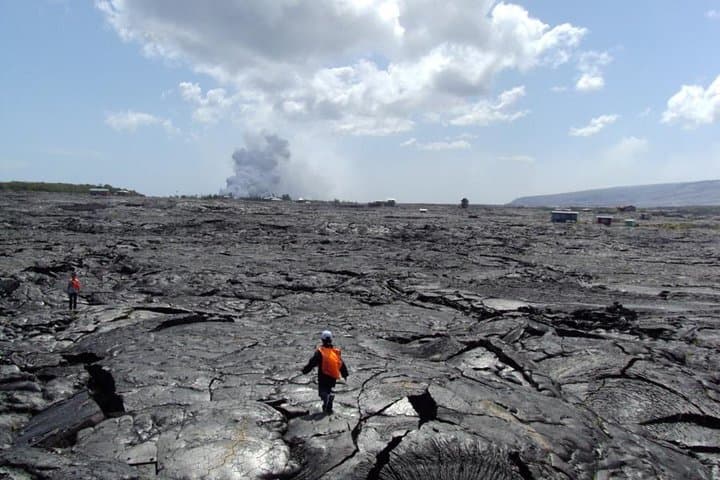
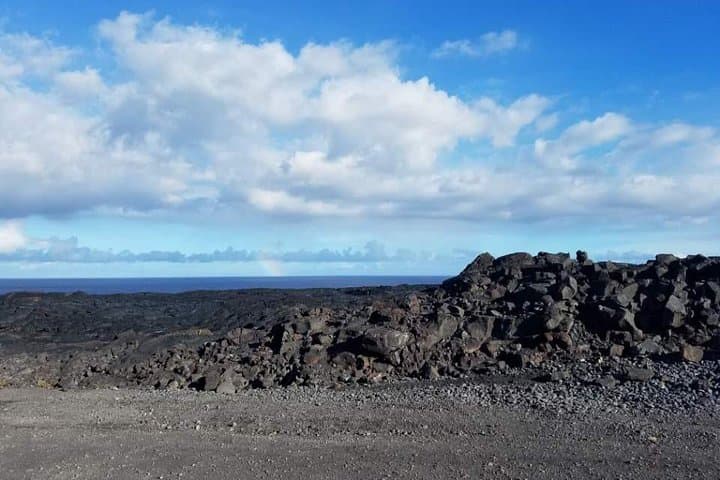
You won’t be bushwhacking: routes are driven, with short walks along paved overlooks, boardwalk sections, and uneven lava fields where good shoes matter. Expect microclimates — humid, gusty coastlines; cool, misty forests; and sudden sun at exposed viewpoints. Wildlife is quiet but present: native nēnē may graze near park roads, and seabirds wheel over cliffs where lava meets sea.
Practical edge: the experience runs about seven hours and is private and flexible, ideal for families or photographers seeking time at vantage points. From Hilo you’ll cover roughly 60–100 miles of island roads depending on stops and sampling; elevations range from sea level at the black-sand beach to about 4,000 feet at summit overlooks. Bring layers, a refillable water bottle, and footwear that can handle slick boardwalks and sharp clinker rock. Expect roadside walking of 10–30 minutes at most sites, but plan for variable weather and vog (volcanic haze).
Local guides balance interpretation with safety: when magma is active they’ll point to steam vents and explain viewing limits; when access changes, they reroute to lesser-known lookouts. For photographers, sunrise or late afternoon light cuts into lava-paneled cliffs and throws long shadows across crater rims. Book a private tour if you want time to linger, and check local air-quality reports if you have respiratory concerns. In short: come curious, come prepared, and let the island’s geology lead the day.
moderate.
6–8 hours.
Light to moderate fitness for short walks and standing at overlooks; not strenuous but requires mobility on uneven ground.
The private tour is approximately seven hours with multiple short stops including a black sand beach, Japanese garden, Rainbow Falls, coffee/chocolate tasting, cultural sites in Hilo, and Volcanoes National Park overlooks.
Guides take you to the most recent accessible eruption viewpoints; actual lava visibility depends on volcanic activity and access restrictions—sightings are never guaranteed.
Yes—infants and small children can use strollers for road-side stops, but some walkways and viewing areas have steps or uneven ground.
This private tour lists fees and taxes as included, but confirm with the operator whether the national park entrance fee is covered in your booking.
Vog (volcanic haze) can affect air quality—check local advisories and inform the operator of health concerns so they can adjust routes or provide guidance.
Yes—pickup from Hilo hotels, the airport, and the port is available; confirm your pickup point when booking.
Dynamic Tour Maui operates guided outdoor trips and adventures with an emphasis on safety, stewardship, and memorable experiences.
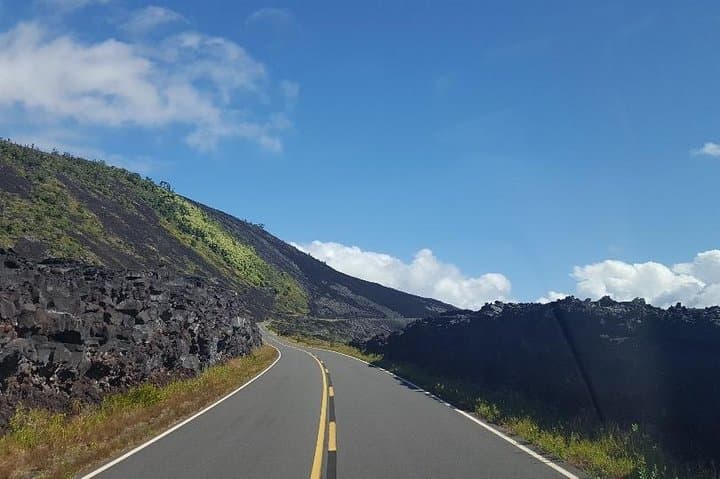
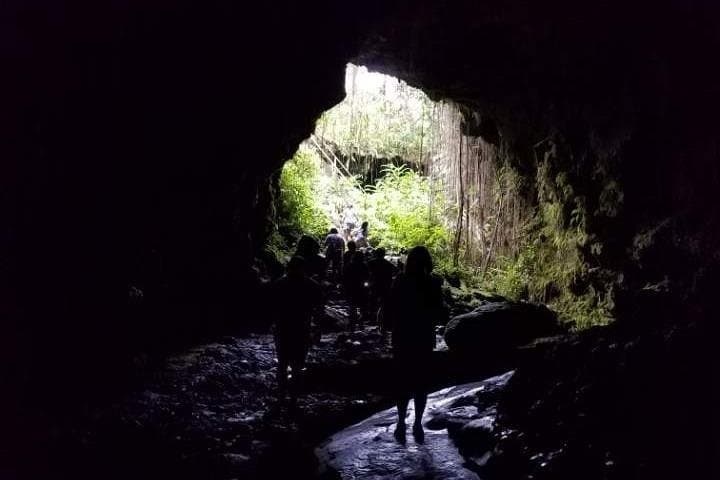
A mauka breeze skims the rental van as it leaves Hilo’s palm-lined streets and climbs toward the raw, wind-brushed flank of Kīlauea. Within an hour the air cools, ’ōhiʻa and ferns close in, and volcanic rock, black and silver, begins to show through the canopy. On this private, seven-hour route you hop from Hilo’s landmark stops — a black-sand shoreline, a serene Japanese garden, and a cascade that throws rainbows — into the quieter, impatient geology of Hawai‘i Volcanoes National Park, where the ground still remembers its last outburst.
A mauka breeze skims the rental van as it leaves Hilo’s palm-lined streets and climbs toward the raw, wind-brushed flank of Kīlauea. Within an hour the air cools, ’ōhiʻa and ferns close in, and volcanic rock, black and silver, begins to show through the canopy. On this private, seven-hour route you hop from Hilo’s landmark stops — a black-sand shoreline, a serene Japanese garden, and a cascade that throws rainbows — into the quieter, impatient geology of Hawai‘i Volcanoes National Park, where the ground still remembers its last outburst.
The island itself is a living geology lesson. Kīlauea, one of the world’s most active volcanoes, has rebuilt coastline and reshaped forests within a human lifetime. Native Hawaiian stories and Pele’s presence are visible in place names and in the tangible heat that rises from recent flows; science reads that heat as magma at depth and a summit elevation near 4,000 feet. The tour threads history and culture into each stop: the city’s Kamehameha statue marks a unifying king; nearby gardens echo Japanese immigrant influence that shaped Hilo; small-batch farms offer coffee and chocolate grown on volcanic ash that gives the beans their punch.
You won’t be bushwhacking: routes are driven, with short walks along paved overlooks, boardwalk sections, and uneven lava fields where good shoes matter. Expect microclimates — humid, gusty coastlines; cool, misty forests; and sudden sun at exposed viewpoints. Wildlife is quiet but present: native nēnē may graze near park roads, and seabirds wheel over cliffs where lava meets sea.
Practical edge: the experience runs about seven hours and is private and flexible, ideal for families or photographers seeking time at vantage points. From Hilo you’ll cover roughly 60–100 miles of island roads depending on stops and sampling; elevations range from sea level at the black-sand beach to about 4,000 feet at summit overlooks. Bring layers, a refillable water bottle, and footwear that can handle slick boardwalks and sharp clinker rock. Expect roadside walking of 10–30 minutes at most sites, but plan for variable weather and vog (volcanic haze).
Local guides balance interpretation with safety: when magma is active they’ll point to steam vents and explain viewing limits; when access changes, they reroute to lesser-known lookouts. For photographers, sunrise or late afternoon light cuts into lava-paneled cliffs and throws long shadows across crater rims. Book a private tour if you want time to linger, and check local air-quality reports if you have respiratory concerns. In short: come curious, come prepared, and let the island’s geology lead the day.