THE ADVENTURE COLLECTIVE® · Independent discovery and booking for outdoor travel

Spend a full day on eastern Shenandoah streams with a private guide—learn casting, rigging and water-reading while targeting rainbow, brook and brown trout. Gear, transport and lunch included for a customizable, instructional outing.
Spend a full day on eastern Shenandoah streams with a private guide—learn casting, rigging and water-reading while targeting rainbow, brook and brown trout. Gear, transport and lunch included for a customizable, instructional outing.
You step out of the minivan onto a gravel pullout where cold, clear water hurries past rocks and roots, daring you to read its seams. The guide points to a riffle ahead; foam eddies mark where trout hold, and the current seems to conspire with your cast. Morning light strips the fog off the river, revealing pebbles the size of your palm and a channel that narrows into pocket water.
Verified experiences and guided adventures in the surrounding area.
Operated by VA TROUT ADVENTURES · Front Royal, Virginia
You step out of the minivan onto a gravel pullout where cold, clear water hurries past rocks and roots, daring you to read its seams. The guide points to a riffle ahead; foam eddies mark where trout hold, and the current seems to conspire with your cast. Morning light strips the fog off the river, revealing pebbles the size of your palm and a channel that narrows into pocket water.
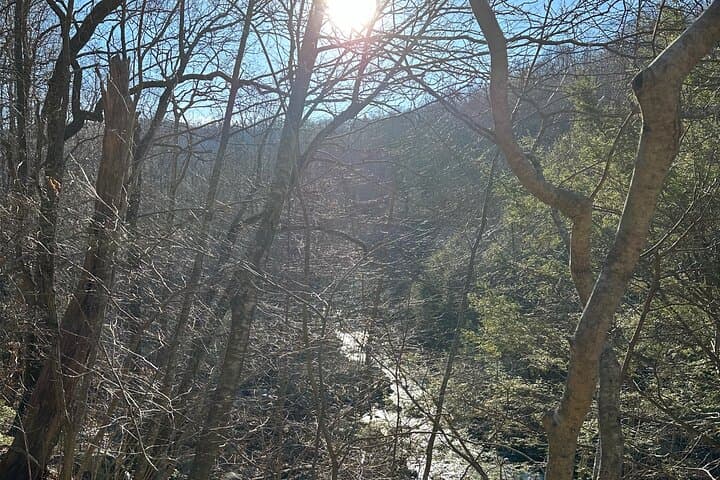
These rivers drain the eastern slopes of the Blue Ridge and Shenandoah foothills—streams carved by millennia of uplift and seasonal runoff. The region has long served as working farmland and a line of movement during early American history; these waters supplied communities and, later, anglers who refined local fly patterns and small-stream techniques.
Expect a mix of gravel runs, undercut banks and short, technical pools that demand accurate presentation more than brute power. Guides will teach casting, rig selection and how to read water; trout species commonly encountered include rainbow, brook and brown trout. Transportation from the Washington, D.C. area averages 1–1.5 hours depending on pickup, and the day is customizable to skill level.
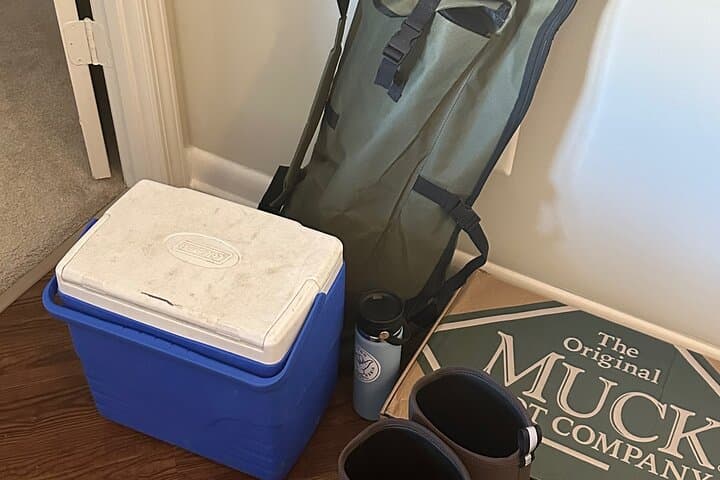
Practical essentials: arrive with layered clothing, waterproof footwear and sunglasses; pack snacks and a small daypack. The outfitter provides rods, reels, licenses and lunch, but waterproof your phone and prepare for variable weather—storm cells can change river conditions quickly. If you want solitude aim for weekday starts and early light; afternoons bring rising insects and increased activity. This trip balances instruction and river time, making it a solid choice for anglers wanting both coaching and quality water.
moderate.
8–10 hours.
Moderate fitness; must be comfortable hiking short distances over uneven, sometimes slippery terrain and standing for extended casting sessions.
No — the outfitter provides fishing licenses as part of the trip inclusions.
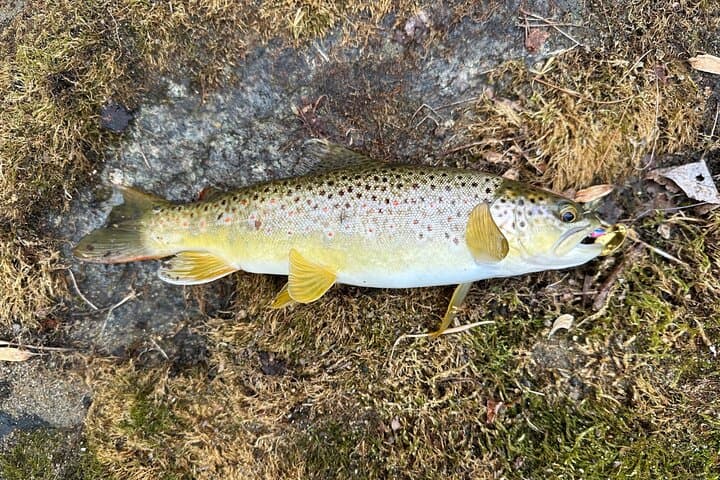
Typical catches include rainbow, brook and brown trout depending on river and season.
Yes — the private format includes instruction in casting and rigging, making it appropriate for beginners with moderate fitness.
Yes — you are allowed to keep fish within local regulations, and guides will advise on size and bag limits.
These waters trace routes used by early settlers and small mills; their channels reflect Appalachian uplift and centuries of agricultural use in the Shenandoah foothills.
Guides follow catch-limit rules and promote leave-no-trace practices; avoid transferring waders between waters to limit invasive species spread.
VA TROUT ADVENTURES operates guided outdoor trips and adventures with an emphasis on safety, stewardship, and memorable experiences.
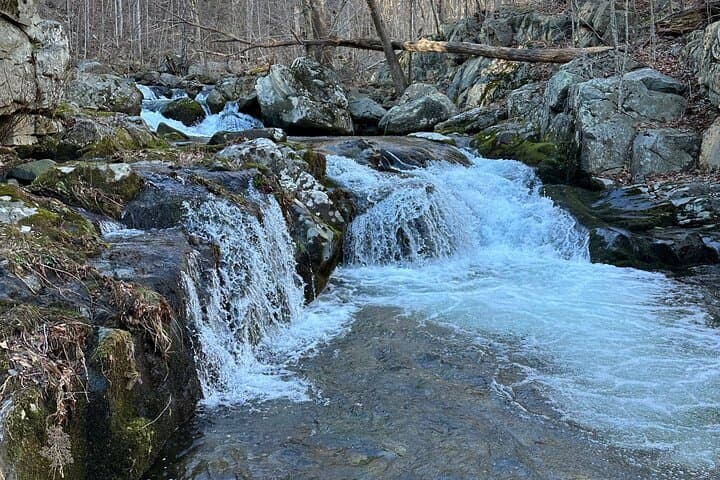
You step out of the minivan onto a gravel pullout where cold, clear water hurries past rocks and roots, daring you to read its seams. The guide points to a riffle ahead; foam eddies mark where trout hold, and the current seems to conspire with your cast. Morning light strips the fog off the river, revealing pebbles the size of your palm and a channel that narrows into pocket water.
You step out of the minivan onto a gravel pullout where cold, clear water hurries past rocks and roots, daring you to read its seams. The guide points to a riffle ahead; foam eddies mark where trout hold, and the current seems to conspire with your cast. Morning light strips the fog off the river, revealing pebbles the size of your palm and a channel that narrows into pocket water.
These rivers drain the eastern slopes of the Blue Ridge and Shenandoah foothills—streams carved by millennia of uplift and seasonal runoff. The region has long served as working farmland and a line of movement during early American history; these waters supplied communities and, later, anglers who refined local fly patterns and small-stream techniques.
Expect a mix of gravel runs, undercut banks and short, technical pools that demand accurate presentation more than brute power. Guides will teach casting, rig selection and how to read water; trout species commonly encountered include rainbow, brook and brown trout. Transportation from the Washington, D.C. area averages 1–1.5 hours depending on pickup, and the day is customizable to skill level.
Practical essentials: arrive with layered clothing, waterproof footwear and sunglasses; pack snacks and a small daypack. The outfitter provides rods, reels, licenses and lunch, but waterproof your phone and prepare for variable weather—storm cells can change river conditions quickly. If you want solitude aim for weekday starts and early light; afternoons bring rising insects and increased activity. This trip balances instruction and river time, making it a solid choice for anglers wanting both coaching and quality water.