THE ADVENTURE COLLECTIVE® · Independent discovery and booking for outdoor travel

Leave Vienna for a day among the Thermal Region’s forests and vineyards: a summer hike to sweeping views and open-air tastings, or a winter tour through centuries-old cellars and intimate winery tastings. Practical, scenic, and rooted in local winemaking traditions.
Leave Vienna for a day among the Thermal Region’s forests and vineyards: a summer hike to sweeping views and open-air tastings, or a winter tour through centuries-old cellars and intimate winery tastings. Practical, scenic, and rooted in local winemaking traditions.
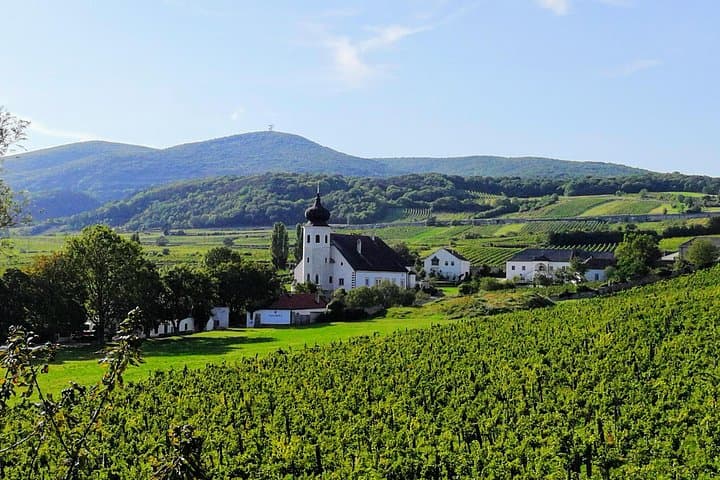
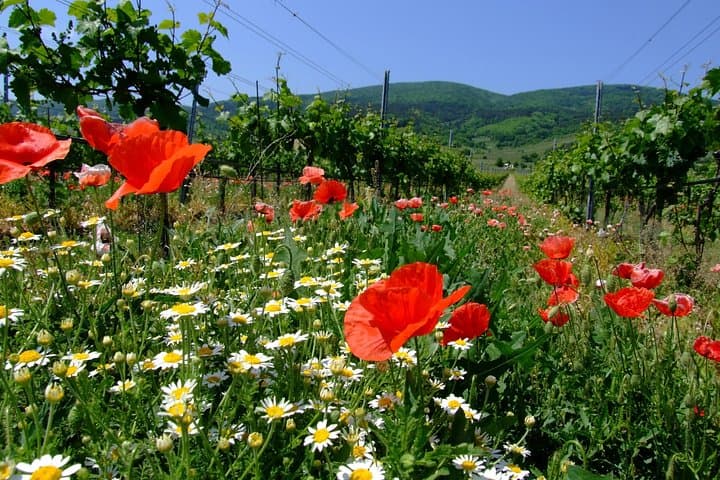
You step off the train at Wien Mitte with the city’s hum still in your ears and the Vienna Woods pressing green and quiet ahead. The trail climbs gently from Baden’s manicured parks into beech and oak that shade a 9 km summer route, opening onto an elevated viewpoint that surveys the Vienna Basin and the rolling Wienerwald below. Vine rows thread the slopes; the air carries a clean earthiness and, later, the tart lift of a local Grüner Veltliner.
Verified experiences and guided adventures in the surrounding area.
Operated by Venture Vienna - Outdoor Activities & Tours · Baden bei Wien, Lower Austria
You step off the train at Wien Mitte with the city’s hum still in your ears and the Vienna Woods pressing green and quiet ahead. The trail climbs gently from Baden’s manicured parks into beech and oak that shade a 9 km summer route, opening onto an elevated viewpoint that surveys the Vienna Basin and the rolling Wienerwald below. Vine rows thread the slopes; the air carries a clean earthiness and, later, the tart lift of a local Grüner Veltliner.
The Thermal Region is the cradle of Lower Austrian viticulture — monastic cellars and medieval estates shaped production from the 12th century onward. Geologically, the area sits on warm springs and Miocene sediment, giving the soils a mix of loess and sand that helps the region’s characteristic aromatics. Culturally, small wine villages like Gumpoldskirchen cling to heurige tavern traditions: simple food, ample conversation, and local bottles poured by producers who value low-intervention methods.
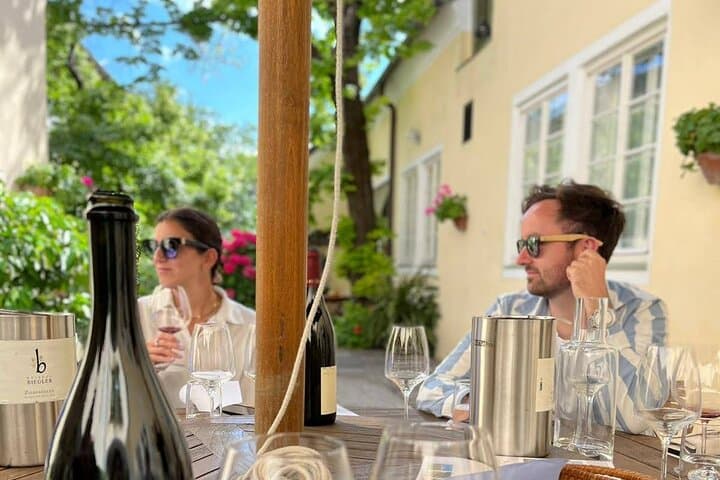
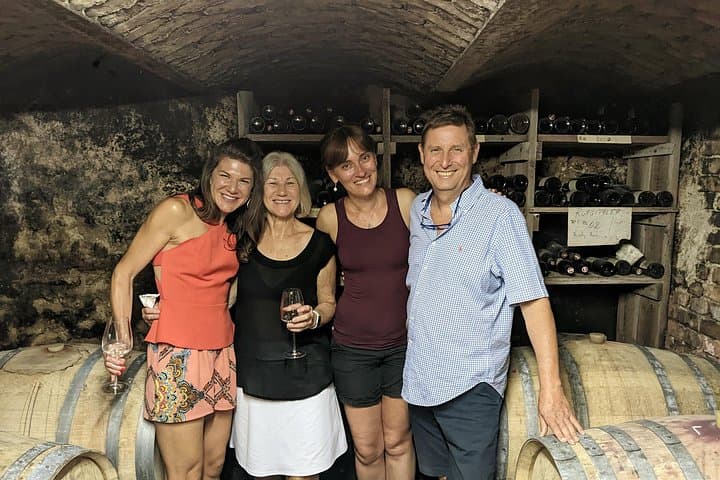
Practically, expect a full 7–9 hour day: a ~30-minute regional train from Vienna, a summer 9 km hike with several short climbs (a few hundred meters cumulative gain), outdoor vineyard tastings, and a sit-down lunch in a traditional wine tavern. In winter, the focus shifts indoors — historic cellars, a visit to a centuries-old wine institution (est. 1141), and a guided tasting with a local winemaker.
Bring sturdy shoes, water, sun protection in summer, and warm layers in winter. The pace is unrushed but requires comfortable mobility; you’ll return to Vienna in time for evening plans, with fresh perspectives on Austrian wine and the landscape that produces it.
moderate.
7–9 hours.
Good for people who can walk 9 km over mixed terrain with some climbs; not suitable for those with mobility limitations.
Meet at Wien Mitte railway station in central Vienna; regional trains to the Thermal Region take about 30 minutes.
The summer route is about 9 km with several short climbs (a few hundred meters cumulative gain); it’s rated moderate and includes regular breaks.
Tastings are included; most wineries sell bottles or can direct you to local shops for purchases to take home.
The tour is not suitable for people with significant mobility limitations, especially on the summer hike; the winter itinerary has gentler walking but still includes short outdoor stretches.
Monastic orders and medieval estates shaped viticulture here from the 12th century; the region’s cellars and sekt traditions trace back to these early producers.
Many local vintners are moving toward organic and low-intervention practices to preserve soil health; stay on marked paths to protect vine roots and woodland understory.
Venture Vienna - Outdoor Activities & Tours operates guided outdoor trips and adventures with an emphasis on safety, stewardship, and memorable experiences.
You step off the train at Wien Mitte with the city’s hum still in your ears and the Vienna Woods pressing green and quiet ahead. The trail climbs gently from Baden’s manicured parks into beech and oak that shade a 9 km summer route, opening onto an elevated viewpoint that surveys the Vienna Basin and the rolling Wienerwald below. Vine rows thread the slopes; the air carries a clean earthiness and, later, the tart lift of a local Grüner Veltliner.
You step off the train at Wien Mitte with the city’s hum still in your ears and the Vienna Woods pressing green and quiet ahead. The trail climbs gently from Baden’s manicured parks into beech and oak that shade a 9 km summer route, opening onto an elevated viewpoint that surveys the Vienna Basin and the rolling Wienerwald below. Vine rows thread the slopes; the air carries a clean earthiness and, later, the tart lift of a local Grüner Veltliner.
The Thermal Region is the cradle of Lower Austrian viticulture — monastic cellars and medieval estates shaped production from the 12th century onward. Geologically, the area sits on warm springs and Miocene sediment, giving the soils a mix of loess and sand that helps the region’s characteristic aromatics. Culturally, small wine villages like Gumpoldskirchen cling to heurige tavern traditions: simple food, ample conversation, and local bottles poured by producers who value low-intervention methods.
Practically, expect a full 7–9 hour day: a ~30-minute regional train from Vienna, a summer 9 km hike with several short climbs (a few hundred meters cumulative gain), outdoor vineyard tastings, and a sit-down lunch in a traditional wine tavern. In winter, the focus shifts indoors — historic cellars, a visit to a centuries-old wine institution (est. 1141), and a guided tasting with a local winemaker.
Bring sturdy shoes, water, sun protection in summer, and warm layers in winter. The pace is unrushed but requires comfortable mobility; you’ll return to Vienna in time for evening plans, with fresh perspectives on Austrian wine and the landscape that produces it.