THE ADVENTURE COLLECTIVE® · Independent discovery and booking for outdoor travel

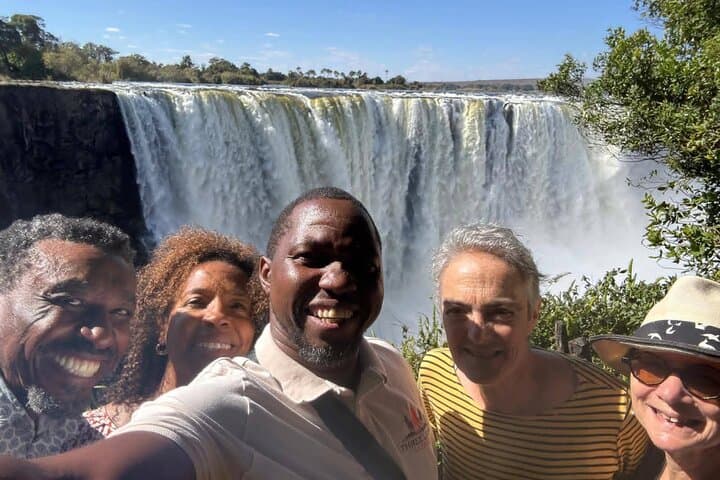
Walk the misty rim of Victoria Falls with a private guide who explains the geology, culture and viewpoints from Devil’s Cataract to Rainbow Falls. This 2–3 hour guided experience pairs up-close vistas with local stories and practical tips for timing and safety.
Walk the misty rim of Victoria Falls with a private guide who explains the geology, culture and viewpoints from Devil’s Cataract to Rainbow Falls. This 2–3 hour guided experience pairs up-close vistas with local stories and practical tips for timing and safety.
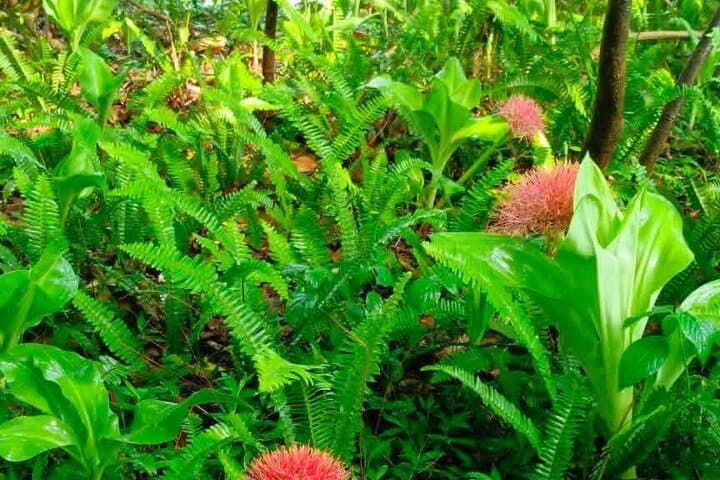
You step off the vehicle and the air changes—cool, misted, and alive. The Victoria Falls Rainforest presses close, its paths slick with spray and small streams that dare your boots to stay dry.
Verified experiences and guided adventures in the surrounding area.
Operated by Tendai Moyo · Victoria Falls, Matabeleland North
You step off the vehicle and the air changes—cool, misted, and alive. The Victoria Falls Rainforest presses close, its paths slick with spray and small streams that dare your boots to stay dry.
Your guide threads stories into the roar: how the Zambezi carved a 1.7-kilometre chasm, how local Tonga and Lozi people wove legends around the thunder of falling water, and how Livingstone’s 19th-century accounts put this place on the world map. Geology is visible here—basalt cliffs, collapsed gorges, and cataracts that split and recombine their flow—so each viewpoint sketches a different face of the falls: Devil’s Cataract, Main Falls, Rainbow Falls and the arc of Horseshoe or Cataract Island.
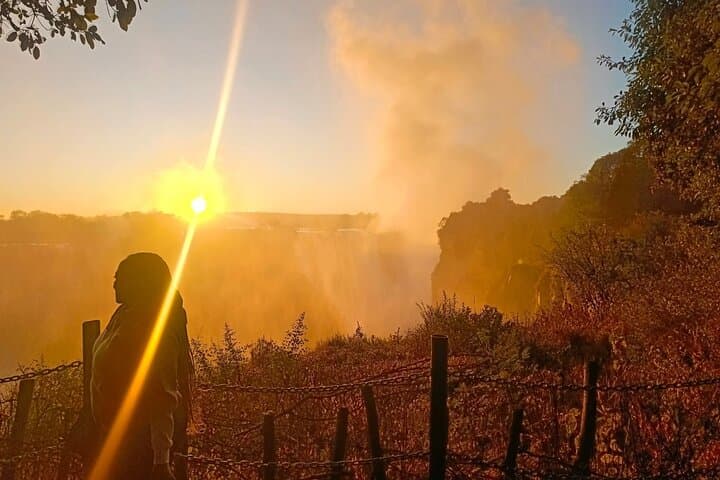
Wildlife slips between spray and tree: vervet monkeys watch from branches, and kingfishers flash along quieter pools. Your guide times stops to catch light hitting the plume—rainbows are frequent in the morning and late afternoon.
Practically: the guided walk covers multiple viewpoints across established park trails and takes about 2–3 hours depending on stops. Expect wet, uneven surfaces and sections where wind-driven spray soaks clothing. Entrance fees to Victoria Falls National Park are paid separately; the private tour supplies transport, bottled water and a guide. Peak visuals come in the wet season (Nov–Mar) when flow is highest, while the dry season (May–Sept) exposes more rock and offers clearer views of the falls’ anatomy.
Bring layered, quick-dry clothing, waterproof footwear, and a camera with protection. Listen to the guide’s safety notes at cliff edges and allow time for slow photography—this is a place that rewards patience more than haste.
moderate.
2–3 hours.
You should be comfortable walking 2–4 km on uneven, wet terrain and negotiating short stair sections; moderate fitness is sufficient.
No; the tour includes private transfers and a guide, but the Victoria Falls National Park entrance fee is paid separately at the gate.
Many main viewpoints and transport options are wheelchair accessible, but surfaces can be wet—contact the operator ahead to confirm your specific needs.
No; Devil’s Pool swims are a separate, seasonally operated activity on Livingstone Island and are not part of this standard guided park tour.
Peak flow is typically during and just after the rainy season (November–March); for clearer vistas and less spray, the dry season (May–September) is preferable.
Victoria Falls (Mosi-oa-Tunya) has been a cultural landmark for Tonga and Lozi peoples for centuries; David Livingstone introduced it to European maps in 1855.
The falls and surrounding rainforest are protected within national parks on both Zimbabwe and Zambia sides; visitors are asked to stay on marked trails and avoid littering to preserve fragile vegetation and riverbanks.
Tendai Moyo operates guided outdoor trips and adventures with an emphasis on safety, stewardship, and memorable experiences.

You step off the vehicle and the air changes—cool, misted, and alive. The Victoria Falls Rainforest presses close, its paths slick with spray and small streams that dare your boots to stay dry.
You step off the vehicle and the air changes—cool, misted, and alive. The Victoria Falls Rainforest presses close, its paths slick with spray and small streams that dare your boots to stay dry.
Your guide threads stories into the roar: how the Zambezi carved a 1.7-kilometre chasm, how local Tonga and Lozi people wove legends around the thunder of falling water, and how Livingstone’s 19th-century accounts put this place on the world map. Geology is visible here—basalt cliffs, collapsed gorges, and cataracts that split and recombine their flow—so each viewpoint sketches a different face of the falls: Devil’s Cataract, Main Falls, Rainbow Falls and the arc of Horseshoe or Cataract Island.
Wildlife slips between spray and tree: vervet monkeys watch from branches, and kingfishers flash along quieter pools. Your guide times stops to catch light hitting the plume—rainbows are frequent in the morning and late afternoon.
Practically: the guided walk covers multiple viewpoints across established park trails and takes about 2–3 hours depending on stops. Expect wet, uneven surfaces and sections where wind-driven spray soaks clothing. Entrance fees to Victoria Falls National Park are paid separately; the private tour supplies transport, bottled water and a guide. Peak visuals come in the wet season (Nov–Mar) when flow is highest, while the dry season (May–Sept) exposes more rock and offers clearer views of the falls’ anatomy.
Bring layered, quick-dry clothing, waterproof footwear, and a camera with protection. Listen to the guide’s safety notes at cliff edges and allow time for slow photography—this is a place that rewards patience more than haste.