THE ADVENTURE COLLECTIVE® · Independent discovery and booking for outdoor travel

A two‑hour private walk that opens the less obvious parts of Venice—markets, bacari, and hidden corners—led by a native Venetian guide. Learn to navigate canals, order like a local, and find authentic spots away from tourist crowds.
A two‑hour private walk that opens the less obvious parts of Venice—markets, bacari, and hidden corners—led by a native Venetian guide. Learn to navigate canals, order like a local, and find authentic spots away from tourist crowds.
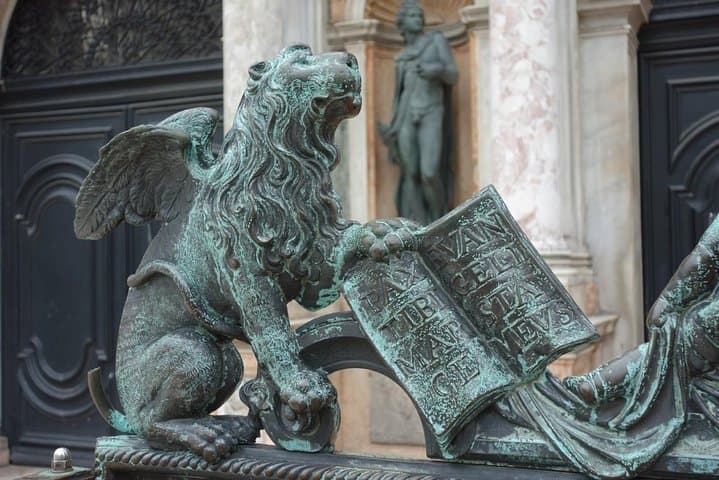
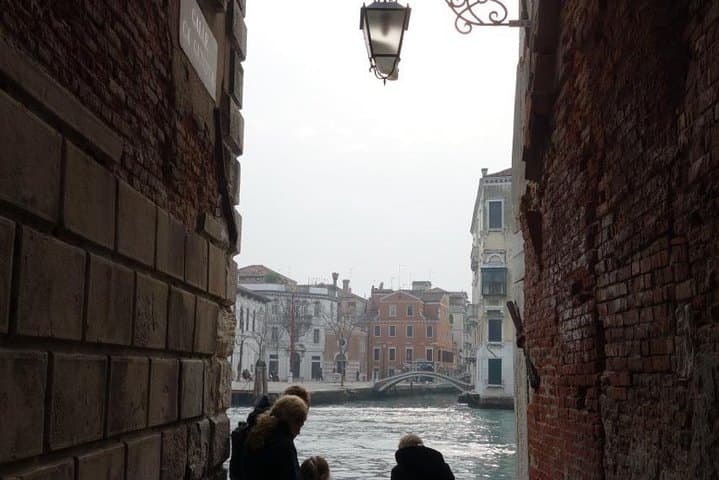
Step off the vaporetto and the city rearranges itself around you: narrow alleys funnel the sound of feet, the Grand Canal breathes beneath the bridges, and a guide born here points out where Venetians still live and work.
Verified experiences and guided adventures in the surrounding area.
Operated by Friend in Venice Private Tours · Venice, Veneto
Step off the vaporetto and the city rearranges itself around you: narrow alleys funnel the sound of feet, the Grand Canal breathes beneath the bridges, and a guide born here points out where Venetians still live and work.
This two‑hour private walk moves at a practical pace through both landmark squares and quieter sestieri. Venice's history as a maritime republic is visible in reclaimed islands, Byzantine and Gothic facades, and market stalls that have supplied the city for centuries. Geologically the city sits atop lagoon sediments; expect flat ground but frequent short flights of steps on bridges and uneven paving stones. Culture here is tactile — order an espresso like a local, sample cicchetti at a bacaro, and watch fishmongers at the Rialto market display their catch.
The tour balances famous stops (St. Mark’s, the Frari, Rialto) with off‑the‑beaten paths where artisans work and locals shop. Guides explain practical navigation: how to read a vaporetto map, which bridges relieve congestion, and when to cross the Grand Canal standing in a vaporetto as Venetians do.
Practical guidance: wear sturdy walking shoes and bring a small reusable water bottle; you’ll cover roughly 2–3 miles (3–5 km) with dozens of short stair sections, so mobility is basic but steady. Morning or late afternoon slots avoid peak heat and crowds. Note the city’s occasional €5 access fee for day visitors and plan cash or card for small purchases. Move deliberately, listen for the canals’ pull, and the city will teach you the rest.
easy.
2 hours.
Suitable for most fitness levels; expect 2–3 miles (3–5 km) of walking with many short stair sections across bridges.
Expect roughly 2–3 miles (3–5 km) over two hours, with many short flights of steps when crossing bridges.
The operator notes wheelchair and stroller accessibility but many routes include bridges with steps; discuss specific needs when booking to arrange an accessible path.
This walking introduction focuses on exterior views and local neighborhoods; interior visits require separate tickets and can be arranged afterwards based on guide suggestions.
The tour includes a coffee or tea stop; additional cicchetti or market snacks are at your own expense and recommended for authentic tasting.
Venice grew from lagoon settlements into a powerful maritime republic between the 10th and 18th centuries; its wealth is visible in palaces, churches, and market traditions.
The Venetian lagoon faces overtourism and rising water challenges; follow local rules, avoid littering, and consider quieter hours to reduce pressure on sensitive areas.
Friend in Venice Private Tours operates guided outdoor trips and adventures with an emphasis on safety, stewardship, and memorable experiences.

Step off the vaporetto and the city rearranges itself around you: narrow alleys funnel the sound of feet, the Grand Canal breathes beneath the bridges, and a guide born here points out where Venetians still live and work.
Step off the vaporetto and the city rearranges itself around you: narrow alleys funnel the sound of feet, the Grand Canal breathes beneath the bridges, and a guide born here points out where Venetians still live and work.
This two‑hour private walk moves at a practical pace through both landmark squares and quieter sestieri. Venice's history as a maritime republic is visible in reclaimed islands, Byzantine and Gothic facades, and market stalls that have supplied the city for centuries. Geologically the city sits atop lagoon sediments; expect flat ground but frequent short flights of steps on bridges and uneven paving stones. Culture here is tactile — order an espresso like a local, sample cicchetti at a bacaro, and watch fishmongers at the Rialto market display their catch.
The tour balances famous stops (St. Mark’s, the Frari, Rialto) with off‑the‑beaten paths where artisans work and locals shop. Guides explain practical navigation: how to read a vaporetto map, which bridges relieve congestion, and when to cross the Grand Canal standing in a vaporetto as Venetians do.
Practical guidance: wear sturdy walking shoes and bring a small reusable water bottle; you’ll cover roughly 2–3 miles (3–5 km) with dozens of short stair sections, so mobility is basic but steady. Morning or late afternoon slots avoid peak heat and crowds. Note the city’s occasional €5 access fee for day visitors and plan cash or card for small purchases. Move deliberately, listen for the canals’ pull, and the city will teach you the rest.