THE ADVENTURE COLLECTIVE® · Independent discovery and booking for outdoor travel

A focused private tour that moves from classical sculpture to Raphael’s frescoes and culminates at Michelangelo’s Sistine Chapel. Practical tips on timing, dress code and what to expect during the 2½-hour experience.
A focused private tour that moves from classical sculpture to Raphael’s frescoes and culminates at Michelangelo’s Sistine Chapel. Practical tips on timing, dress code and what to expect during the 2½-hour experience.
Stepping through the entrance of the Vatican Museums, the air shifts from Roman street noise to a cool, hushed corridor where marble and fresco demand attention. Light falls across carved faces; corridors bend and funnel visitors toward concentrated bursts of color and story. The private tour frames those moments—each gallery phased and paced so the art can be seen instead of skimmed.
Verified experiences and guided adventures in the surrounding area.
Operated by Eyes of Rome · Vatican City, Vatican City
Stepping through the entrance of the Vatican Museums, the air shifts from Roman street noise to a cool, hushed corridor where marble and fresco demand attention. Light falls across carved faces; corridors bend and funnel visitors toward concentrated bursts of color and story. The private tour frames those moments—each gallery phased and paced so the art can be seen instead of skimmed.
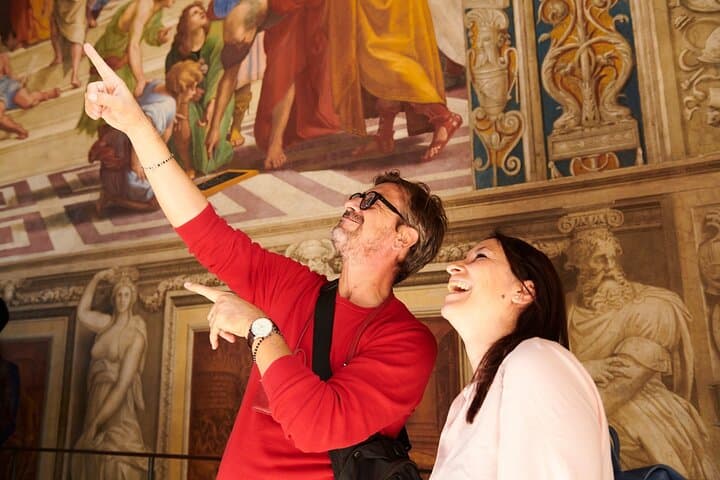
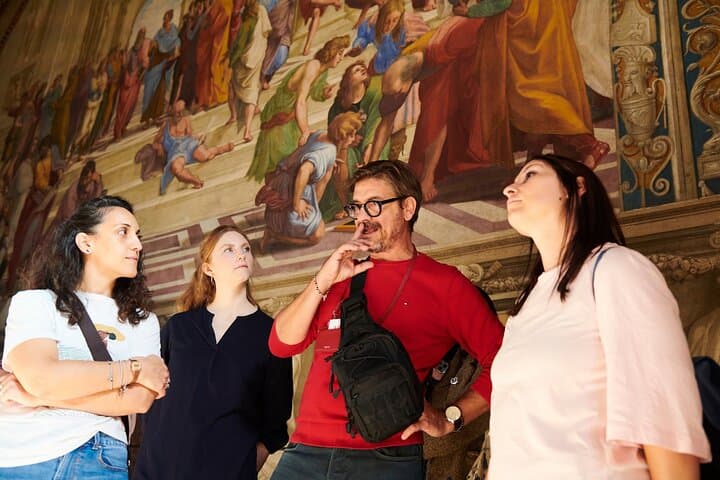
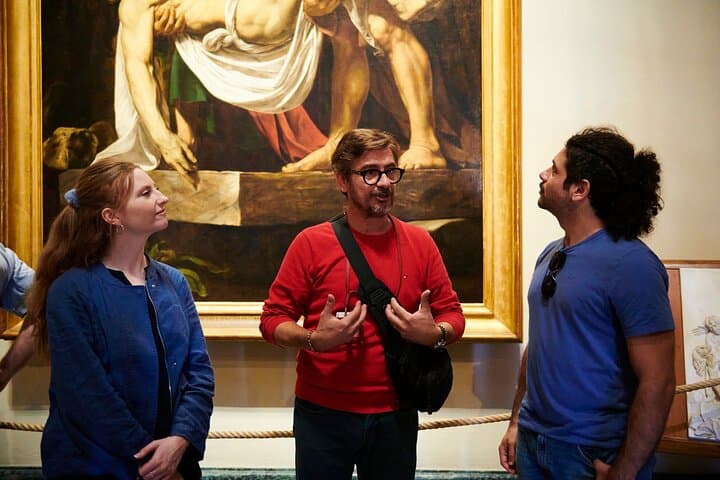
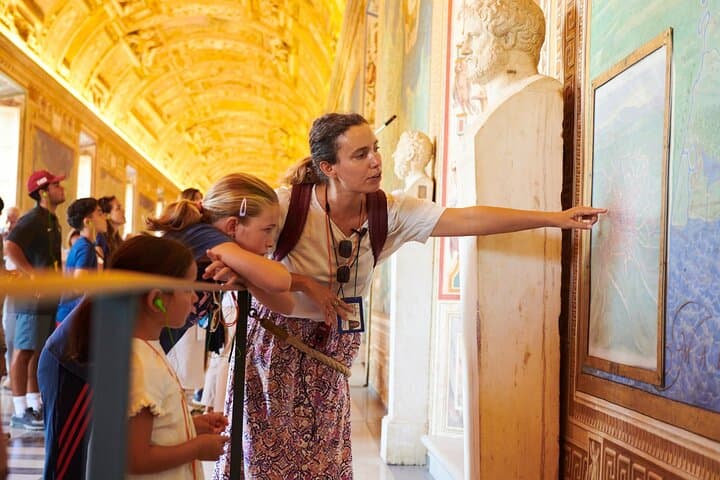
The collection began as papal holdings in the Renaissance and grew into one of the world’s most consequential museums. Look for the Laocoön Group, a visceral Hellenistic marble that dramatizes myth; the Gallery of Maps, which charts Italy’s past through painted cartography; Raphael’s Rooms, early-16th-century fresco cycles that shaped High Renaissance taste; and finally Michelangelo’s Sistine Chapel ceiling, where anatomy, theology and paint converge.
Marble, travertine and tempera speak to geology and craft—Carrara whites and local stones anchor sculptures while pigments tell trade-route stories. Cultural notes bleed into practical ones: the Vatican enforces a dress code and metal-detector security, and even skip-the-line tickets don’t bypass screening.
Practical guidance: expect about 2½ hours of walking and standing; wear comfortable shoes and bring a small bag (large backpacks are prohibited). Photos are banned inside the Sistine Chapel—listen to your guide to get the most from quiet viewing. For a smoother day, choose early departures, confirm any hotel pickup paired with premium options, and allow time for security queues.
easy.
2–3 hours.
Light walking and standing for extended periods; suitable for most fitness levels
No—photography and filming are prohibited inside the Sistine Chapel to protect the artwork and maintain decorum.
No—skip-the-line covers museum admission but not security screening; expect some queuing at metal detectors.
The route is largely accessible but there are long corridors and some level changes; contact the operator in advance to confirm accommodations.
Minors must be accompanied by at least one adult; bookings with unaccompanied minors are not accepted.
The core collections began with papal acquisitions during the Renaissance and were opened progressively to scholars and the public, shaping modern museum practice.
High foot traffic accelerates wear on pigments and stone—follow museum rules, avoid flash photography, and respect barriers to help preserve the art.
Eyes of Rome operates guided outdoor trips and adventures with an emphasis on safety, stewardship, and memorable experiences.
Stepping through the entrance of the Vatican Museums, the air shifts from Roman street noise to a cool, hushed corridor where marble and fresco demand attention. Light falls across carved faces; corridors bend and funnel visitors toward concentrated bursts of color and story. The private tour frames those moments—each gallery phased and paced so the art can be seen instead of skimmed.
Stepping through the entrance of the Vatican Museums, the air shifts from Roman street noise to a cool, hushed corridor where marble and fresco demand attention. Light falls across carved faces; corridors bend and funnel visitors toward concentrated bursts of color and story. The private tour frames those moments—each gallery phased and paced so the art can be seen instead of skimmed.
The collection began as papal holdings in the Renaissance and grew into one of the world’s most consequential museums. Look for the Laocoön Group, a visceral Hellenistic marble that dramatizes myth; the Gallery of Maps, which charts Italy’s past through painted cartography; Raphael’s Rooms, early-16th-century fresco cycles that shaped High Renaissance taste; and finally Michelangelo’s Sistine Chapel ceiling, where anatomy, theology and paint converge.
Marble, travertine and tempera speak to geology and craft—Carrara whites and local stones anchor sculptures while pigments tell trade-route stories. Cultural notes bleed into practical ones: the Vatican enforces a dress code and metal-detector security, and even skip-the-line tickets don’t bypass screening.
Practical guidance: expect about 2½ hours of walking and standing; wear comfortable shoes and bring a small bag (large backpacks are prohibited). Photos are banned inside the Sistine Chapel—listen to your guide to get the most from quiet viewing. For a smoother day, choose early departures, confirm any hotel pickup paired with premium options, and allow time for security queues.