THE ADVENTURE COLLECTIVE® · Independent discovery and booking for outdoor travel

An expert-led private tour that threads through the Vatican Museums’ major galleries and the Sistine Chapel. Expect two to nearly three hours of up-close art history, whisper headsets, and practical rules for getting the most from a culturally dense visit.
An expert-led private tour that threads through the Vatican Museums’ major galleries and the Sistine Chapel. Expect two to nearly three hours of up-close art history, whisper headsets, and practical rules for getting the most from a culturally dense visit.
You step from the sunlit square into a cool corridor of painted stone; the air carries a faint echo of footsteps and the hush of centuries. The Vatican’s galleries unfold like chapters — candelabra rooms that lean toward the past, map halls that march with coastal outlines, and the hush that gathers at the Sistine Chapel doorway, where Michelangelo’s figures seem to move when you hold your breath.
Verified experiences and guided adventures in the surrounding area.
Operated by getitalytours · Vatican City, Lazio
You step from the sunlit square into a cool corridor of painted stone; the air carries a faint echo of footsteps and the hush of centuries. The Vatican’s galleries unfold like chapters — candelabra rooms that lean toward the past, map halls that march with coastal outlines, and the hush that gathers at the Sistine Chapel doorway, where Michelangelo’s figures seem to move when you hold your breath.
The museums grew from papal collections assembled from the Renaissance onward: sculptures dug from Roman villas, tapestries commissioned for popes, and Raphael’s rooms repainted as an expression of civic power and religious thought. Marble, travertine, and fresco pigments tell a parallel geological and material story — local stone quarried from Lazio, pigments mixed from earth and mineral, and plaster that holds paint like a memory.
You’ll learn technique and scandal in equal measure: how Michelangelo’s vault was painted lying on scaffolding, why the Gallery of Maps reoriented regions for a pope’s gaze, and how Vatican City functions today as a living state.
Practically, expect 2–2.75 hours of standing and walking on polished floors; the guide provides whisper headsets for clarity in crowded rooms. Dress conservatively for the Sistine Chapel and St. Peter’s access if the connecting door is open. Photography is restricted inside the Sistine Chapel; bring a charged phone for outside and courtyards. Plan arrival with ID and your mobile ticket ready; security lines are strict and all sales are final. Move deliberately, hydrate before you enter, and let the art set the pace — the rooms will reveal their stories if you give them time.
moderate.
2–2.75 hours.
Moderate fitness: involves standing and walking on hard floors for up to three hours; some staircases may be encountered.
No—photography and flash are strictly prohibited inside the Sistine Chapel to protect the frescoes; you may photograph in surrounding galleries where allowed.
The tour includes Vatican Museums and Sistine Chapel entry; access to St. Peter’s is possible through a connecting door when open, but is not guaranteed—confirm with your guide on the day.
The tour provides admission but security screening is standard; while guided groups may move faster, there is no absolute skip-the-line guarantee.
Parts of the museums have step-free routes and strollers are allowed, but some galleries include stairs; visitors with mobility concerns should contact the operator in advance.
The Vatican Museums began as private papal collections that expanded from the Renaissance, formalized for public viewing in the 18th and 19th centuries.
The museums use climate control, restricted photography, and conservation fees to protect fragile works; visitors should follow rules to minimize wear on historic surfaces.
getitalytours operates guided outdoor trips and adventures with an emphasis on safety, stewardship, and memorable experiences.
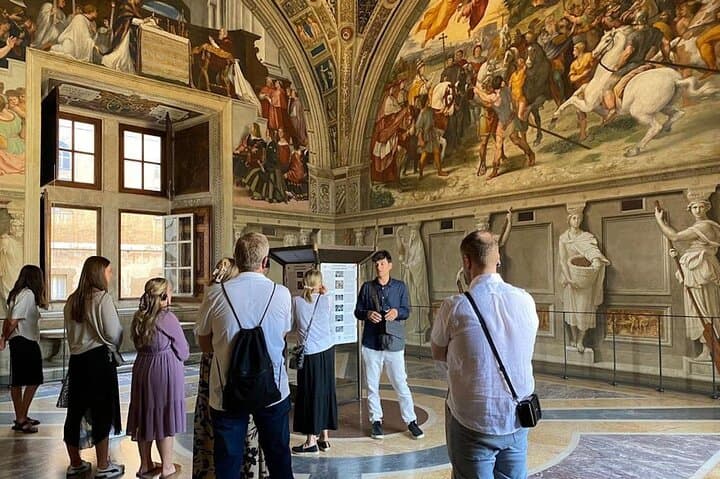
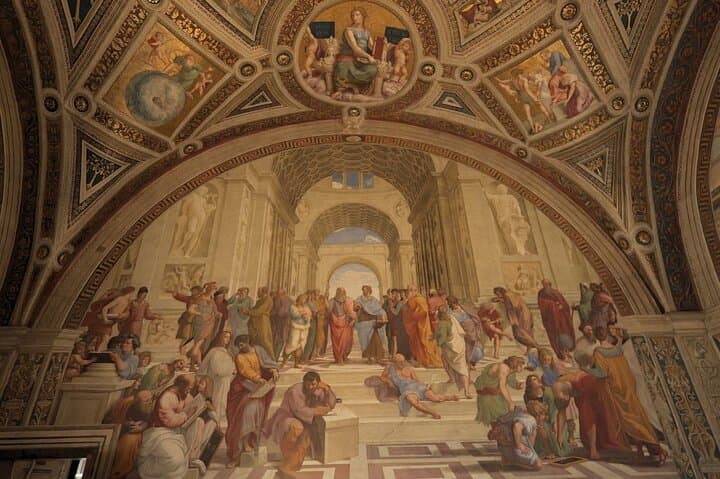
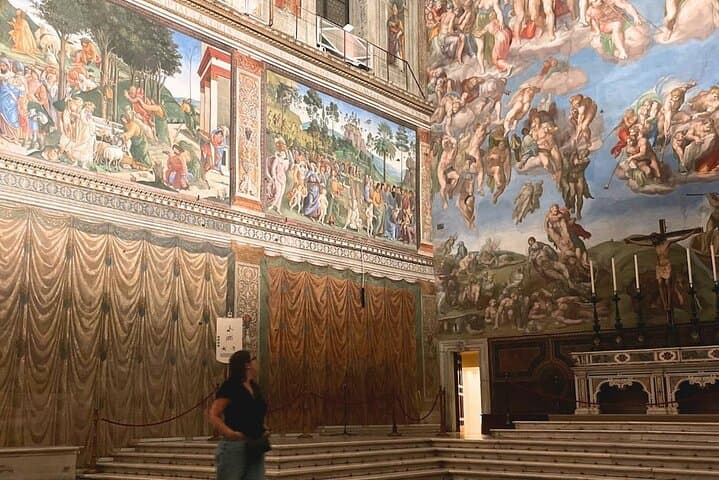
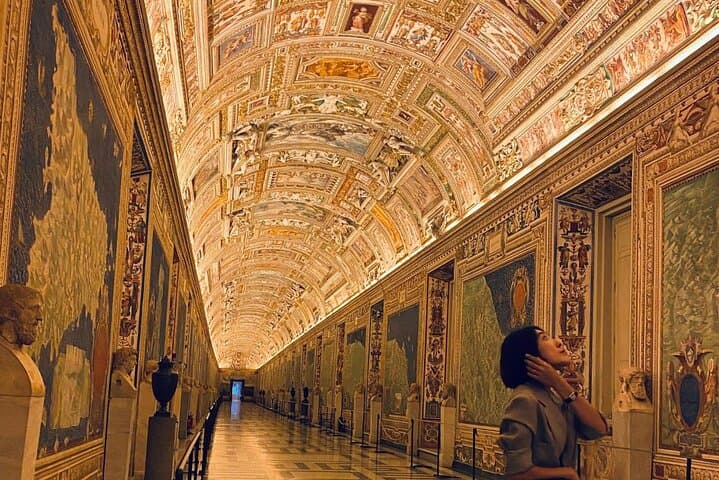
You step from the sunlit square into a cool corridor of painted stone; the air carries a faint echo of footsteps and the hush of centuries. The Vatican’s galleries unfold like chapters — candelabra rooms that lean toward the past, map halls that march with coastal outlines, and the hush that gathers at the Sistine Chapel doorway, where Michelangelo’s figures seem to move when you hold your breath.
You step from the sunlit square into a cool corridor of painted stone; the air carries a faint echo of footsteps and the hush of centuries. The Vatican’s galleries unfold like chapters — candelabra rooms that lean toward the past, map halls that march with coastal outlines, and the hush that gathers at the Sistine Chapel doorway, where Michelangelo’s figures seem to move when you hold your breath.
The museums grew from papal collections assembled from the Renaissance onward: sculptures dug from Roman villas, tapestries commissioned for popes, and Raphael’s rooms repainted as an expression of civic power and religious thought. Marble, travertine, and fresco pigments tell a parallel geological and material story — local stone quarried from Lazio, pigments mixed from earth and mineral, and plaster that holds paint like a memory.
You’ll learn technique and scandal in equal measure: how Michelangelo’s vault was painted lying on scaffolding, why the Gallery of Maps reoriented regions for a pope’s gaze, and how Vatican City functions today as a living state.
Practically, expect 2–2.75 hours of standing and walking on polished floors; the guide provides whisper headsets for clarity in crowded rooms. Dress conservatively for the Sistine Chapel and St. Peter’s access if the connecting door is open. Photography is restricted inside the Sistine Chapel; bring a charged phone for outside and courtyards. Plan arrival with ID and your mobile ticket ready; security lines are strict and all sales are final. Move deliberately, hydrate before you enter, and let the art set the pace — the rooms will reveal their stories if you give them time.