THE ADVENTURE COLLECTIVE® · Independent discovery and booking for outdoor travel

Board a private boat from Ho Chi Minh City for a full-day exploration of the Can Gio mangroves: waterways threaded with wildlife, Tang Bong Tower views, a bat reserve, and hands-on crab and crocodile experiences. Practical tips and what to expect for a single-day nature escape.
Board a private boat from Ho Chi Minh City for a full-day exploration of the Can Gio mangroves: waterways threaded with wildlife, Tang Bong Tower views, a bat reserve, and hands-on crab and crocodile experiences. Practical tips and what to expect for a single-day nature escape.
The boat slips away from the quay before dawn, engines a quiet pulse as the mangrove canopy pulls you inward. Salt-lipped air and the steady click of bird calls set the rhythm; braided waterways thread between grey roots that thrust like knuckles from the mud. Monkeys eye the visitors from low branches, bats hang in dense swaths, and across a river bend Tang Bong Tower rises, a metal ladder to a broad, rewired sky.
Verified experiences and guided adventures in the surrounding area.
Operated by Authentic PHU QUOC · Can Gio, Ho Chi Minh
The boat slips away from the quay before dawn, engines a quiet pulse as the mangrove canopy pulls you inward. Salt-lipped air and the steady click of bird calls set the rhythm; braided waterways thread between grey roots that thrust like knuckles from the mud. Monkeys eye the visitors from low branches, bats hang in dense swaths, and across a river bend Tang Bong Tower rises, a metal ladder to a broad, rewired sky.
Can Gio is not a postcard — it’s a working coastal ecosystem shaped by tides, silt, and human stewardship. The mangrove soils are young, deposited by the Saigon River, and the forest functions as a natural barrier against storm surge while supporting local fisheries. The area gained recognition as a UNESCO-listed biosphere reserve for that mix of biodiversity and livelihoods; nearby communities still harvest crabs and fish the same channels generations have used.
Expect a day that alternates quiet observation and hands-on moments: a slow boat through Vam Sat’s channels, a climb up Tang Bong for panoramic wetlands, a visit to bat and crocodile facilities, and a rustic seafood lunch served riverside. Crocodile fishing is theatrical — an adrenaline spike, not a technical challenge — while crab-catching rewards patience and steady fingers.
Practical guide: wear quick-dry clothing and sturdy water shoes, bring insect repellent and sunscreen, and keep a dry bag for cameras and phones. Morning light is best for wildlife; afternoon heat amplifies mosquitoes. Booking generally includes hotel pickup in District 1 — confirm pickup time and any dietary requests beforehand. Respect local guides and wildlife signage: observe, don’t feed, and follow safety briefings at animal exhibits.
easy.
8–9 hours.
Suitable for travelers in average physical condition; requires short walks, some stairs for observation towers, and getting on/off small boats
Yes — most private tours include pickup and drop-off from hotels in District 1; confirm your exact pickup time when you book.
Operators provide safety briefings and equipment; crocodile fishing is supervised, but participants should follow instructions closely and avoid leaning over the boat edge.
Yes — the operator asks for dietary requests in advance and can prepare vegetarian options if notified prior to the tour.
Generally yes — the tour is listed as suitable for all fitness levels, but shore access and boardings involve stairs and wet surfaces; those with mobility issues should check in advance.
Can Gio has long been a coastal livelihood landscape; mangroves were historically valued for fuel and shoreline protection and later recognized for conservation and community importance.
Local programs balance eco-tourism and fishing with restoration work; visitors are encouraged to minimize waste and follow guide instructions to protect habitat and wildlife.
Authentic PHU QUOC operates guided outdoor trips and adventures with an emphasis on safety, stewardship, and memorable experiences.
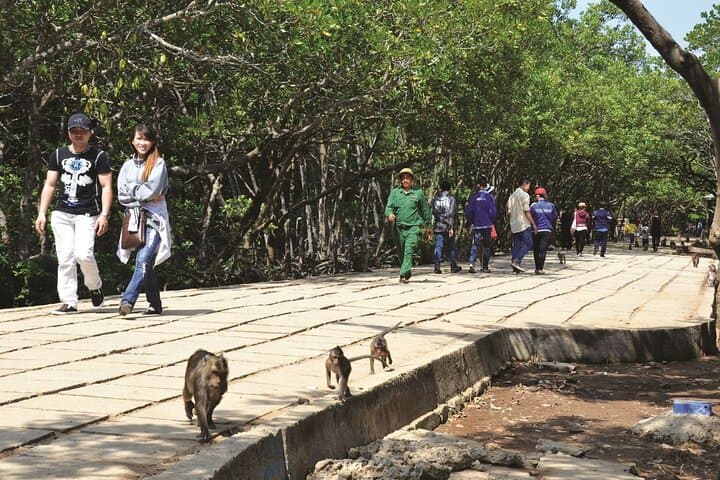
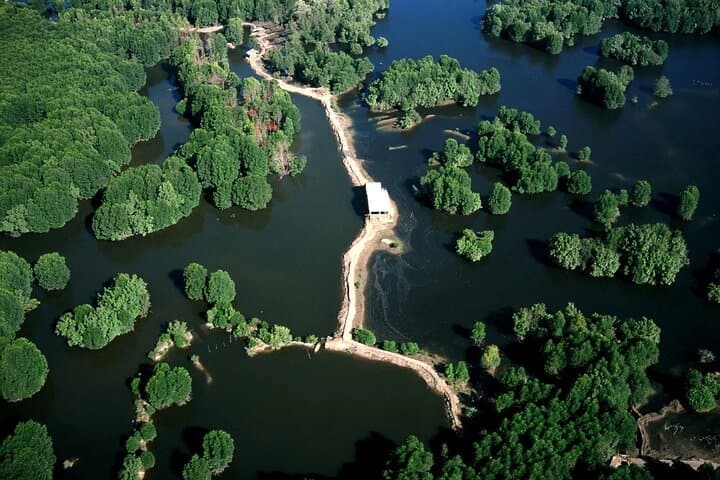
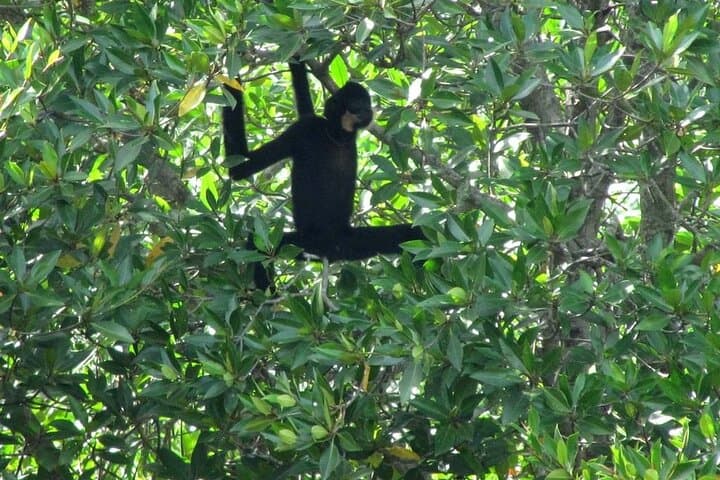

The boat slips away from the quay before dawn, engines a quiet pulse as the mangrove canopy pulls you inward. Salt-lipped air and the steady click of bird calls set the rhythm; braided waterways thread between grey roots that thrust like knuckles from the mud. Monkeys eye the visitors from low branches, bats hang in dense swaths, and across a river bend Tang Bong Tower rises, a metal ladder to a broad, rewired sky.
The boat slips away from the quay before dawn, engines a quiet pulse as the mangrove canopy pulls you inward. Salt-lipped air and the steady click of bird calls set the rhythm; braided waterways thread between grey roots that thrust like knuckles from the mud. Monkeys eye the visitors from low branches, bats hang in dense swaths, and across a river bend Tang Bong Tower rises, a metal ladder to a broad, rewired sky.
Can Gio is not a postcard — it’s a working coastal ecosystem shaped by tides, silt, and human stewardship. The mangrove soils are young, deposited by the Saigon River, and the forest functions as a natural barrier against storm surge while supporting local fisheries. The area gained recognition as a UNESCO-listed biosphere reserve for that mix of biodiversity and livelihoods; nearby communities still harvest crabs and fish the same channels generations have used.
Expect a day that alternates quiet observation and hands-on moments: a slow boat through Vam Sat’s channels, a climb up Tang Bong for panoramic wetlands, a visit to bat and crocodile facilities, and a rustic seafood lunch served riverside. Crocodile fishing is theatrical — an adrenaline spike, not a technical challenge — while crab-catching rewards patience and steady fingers.
Practical guide: wear quick-dry clothing and sturdy water shoes, bring insect repellent and sunscreen, and keep a dry bag for cameras and phones. Morning light is best for wildlife; afternoon heat amplifies mosquitoes. Booking generally includes hotel pickup in District 1 — confirm pickup time and any dietary requests beforehand. Respect local guides and wildlife signage: observe, don’t feed, and follow safety briefings at animal exhibits.