THE ADVENTURE COLLECTIVE® · Independent discovery and booking for outdoor travel

Step beyond staged shows into the living room of Buenos Aires tango: a private lesson followed by access to a real milonga with wine, local dancers and sometimes live orchestra. Learn social codes, practice foundational moves, then watch the dance play out where it was born.
Step beyond staged shows into the living room of Buenos Aires tango: a private lesson followed by access to a real milonga with wine, local dancers and sometimes live orchestra. Learn social codes, practice foundational moves, then watch the dance play out where it was born.
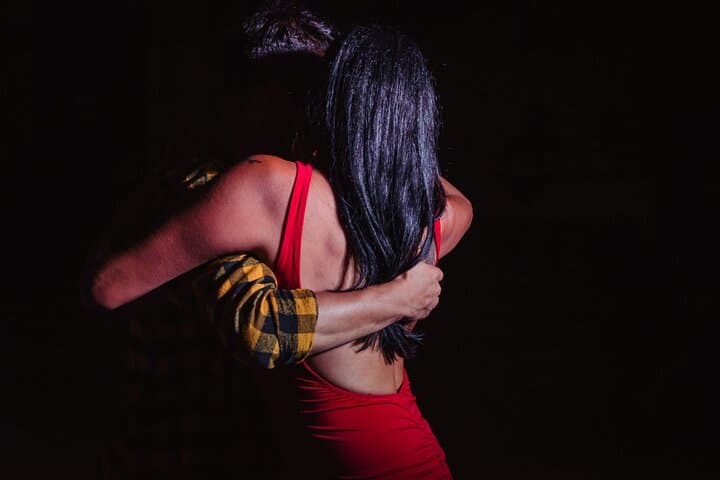
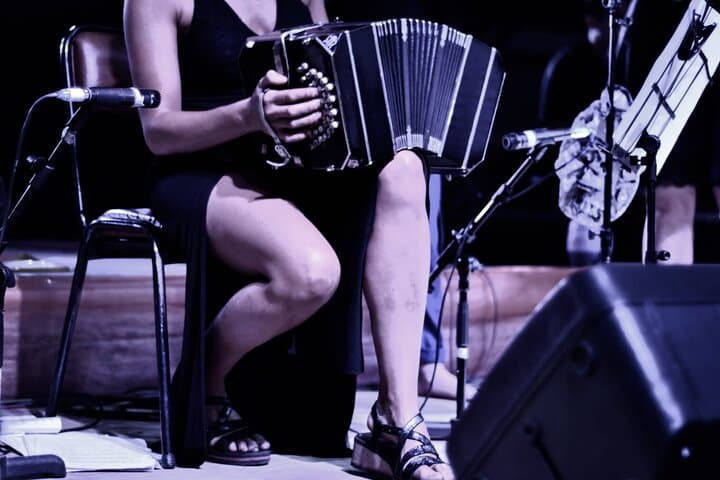
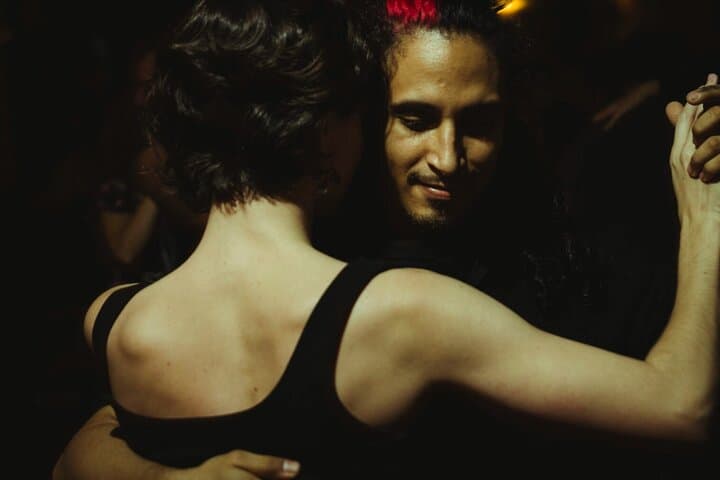
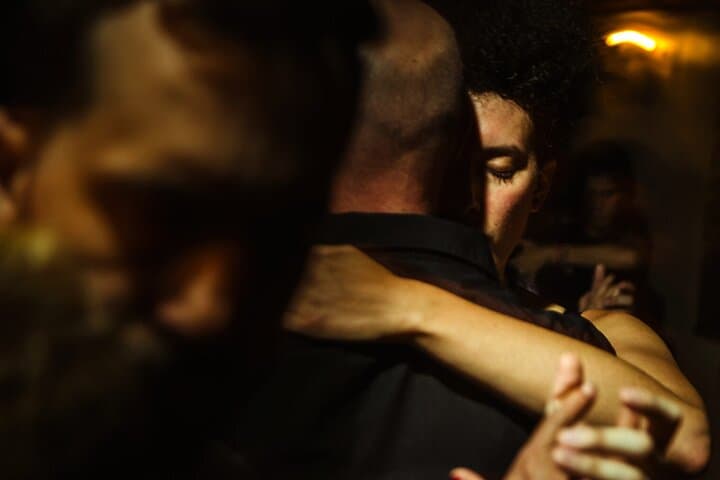
The room is dim but full: lacquered wooden floors click under polished shoes, a bandoneón sighs between phrases, and a table of locals gestures subtly as dancers read one another in the light. You arrive by taxi from a flat city that opens onto the Río de la Plata, stepping into a world where rules and rhythm map every movement.
Verified experiences and guided adventures in the surrounding area.
Operated by Rafael · Buenos Aires, Buenos Aires
The room is dim but full: lacquered wooden floors click under polished shoes, a bandoneón sighs between phrases, and a table of locals gestures subtly as dancers read one another in the light. You arrive by taxi from a flat city that opens onto the Río de la Plata, stepping into a world where rules and rhythm map every movement.
Tango was born in Buenos Aires' port neighborhoods in the late 19th and early 20th centuries, an outcome of immigrant cultures, African rhythms and criollo traditions. The milonga—the social dance night—keeps that history alive through codes of invitation, musical tandas and the cortina that signals the end of a set. Geologically the city sits on sedimentary plains of the Pampas, its broad streets echoing the city’s working-class musical roots; culturally, neighborhoods like San Telmo and Almagro still host intimate tanguerías and live orchestras.
On this private immersion you’ll take a focused lesson that teaches the mechanics of connection and social improvisation, then be escorted to a real milonga where you’ll be the guest at a table, sip Argentinian wine, and watch live music or a professional tanda when available.
Practical notes: wear comfortable, low-profile shoes for turning and standing; bring ID (required for alcohol); arrive rested—three hours moves quickly; and follow local etiquette: accept or decline tandas politely, and observe the seating and invitation codes. If you want photographs, ask permission—both for dancers and orchestras.
This mix of instruction and cultural access is ideal for travelers seeking a genuine, social night in Buenos Aires rather than a staged tourist show.
easy.
3 hours.
Light physical activity; comfortable standing and basic movement skills suffice
No—this private immersion is tailored to your level; the lesson covers foundational mechanics for social dancing.
Guides are fluent in English, Spanish and Japanese, and can tailor explanations accordingly.
Yes, the experience includes transportation from the lesson venue to the milonga table.
Full refund if you cancel at least 24 hours before the scheduled start; no refund within 24 hours.
Tango grew from late-1800s portside neighborhoods where diverse immigrant and Afro-Argentine communities mixed music and dance into a new urban culture.
Support local artists and venues by buying drinks or tipping performers; respect historic floors and interior spaces to minimize wear on intimate cultural sites.
Rafael operates guided outdoor trips and adventures with an emphasis on safety, stewardship, and memorable experiences.
The room is dim but full: lacquered wooden floors click under polished shoes, a bandoneón sighs between phrases, and a table of locals gestures subtly as dancers read one another in the light. You arrive by taxi from a flat city that opens onto the Río de la Plata, stepping into a world where rules and rhythm map every movement.
The room is dim but full: lacquered wooden floors click under polished shoes, a bandoneón sighs between phrases, and a table of locals gestures subtly as dancers read one another in the light. You arrive by taxi from a flat city that opens onto the Río de la Plata, stepping into a world where rules and rhythm map every movement.
Tango was born in Buenos Aires' port neighborhoods in the late 19th and early 20th centuries, an outcome of immigrant cultures, African rhythms and criollo traditions. The milonga—the social dance night—keeps that history alive through codes of invitation, musical tandas and the cortina that signals the end of a set. Geologically the city sits on sedimentary plains of the Pampas, its broad streets echoing the city’s working-class musical roots; culturally, neighborhoods like San Telmo and Almagro still host intimate tanguerías and live orchestras.
On this private immersion you’ll take a focused lesson that teaches the mechanics of connection and social improvisation, then be escorted to a real milonga where you’ll be the guest at a table, sip Argentinian wine, and watch live music or a professional tanda when available.
Practical notes: wear comfortable, low-profile shoes for turning and standing; bring ID (required for alcohol); arrive rested—three hours moves quickly; and follow local etiquette: accept or decline tandas politely, and observe the seating and invitation codes. If you want photographs, ask permission—both for dancers and orchestras.
This mix of instruction and cultural access is ideal for travelers seeking a genuine, social night in Buenos Aires rather than a staged tourist show.