THE ADVENTURE COLLECTIVE® · Independent discovery and booking for outdoor travel

Descend beneath Rome’s busy streets to walk Domitian’s stadium substructure, peer into aqueduct remains under Trevi and confront the Capuchin Crypt’s bone chambers. This private three-hour tour blends archaeology, engineering and a sober slice of Roman history.
Descend beneath Rome’s busy streets to walk Domitian’s stadium substructure, peer into aqueduct remains under Trevi and confront the Capuchin Crypt’s bone chambers. This private three-hour tour blends archaeology, engineering and a sober slice of Roman history.
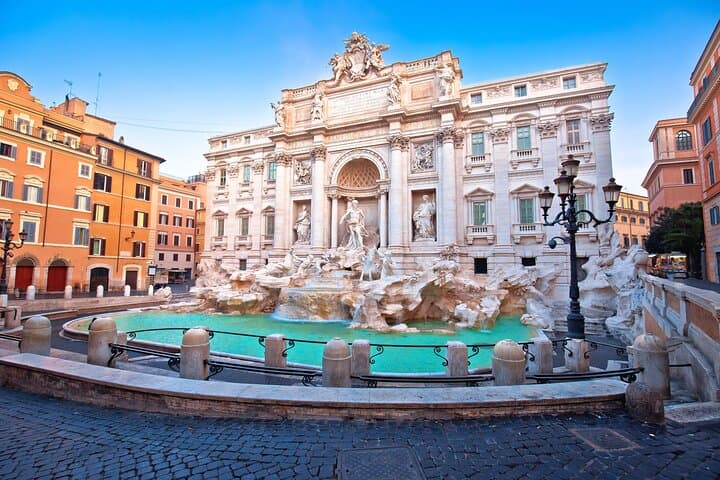
You step off a sun-warmed cobble and descend: cool air, low vaults and a hush that makes the city above feel distant. The guide opens a gate into the Stadium of Domitian’s substructure — stone seating ribs and service corridors that once held crowds — then leads you through fissured tufa and travertine cut by centuries of water. The Vicus Caprarius beneath the Trevi Fountain appears like a city of channels, where ancient aqueduct stone still remembers the push of the Aqua Virgo.
Verified experiences and guided adventures in the surrounding area.
Operated by Journey Tours · Rome, Lazio
You step off a sun-warmed cobble and descend: cool air, low vaults and a hush that makes the city above feel distant. The guide opens a gate into the Stadium of Domitian’s substructure — stone seating ribs and service corridors that once held crowds — then leads you through fissured tufa and travertine cut by centuries of water. The Vicus Caprarius beneath the Trevi Fountain appears like a city of channels, where ancient aqueduct stone still remembers the push of the Aqua Virgo.
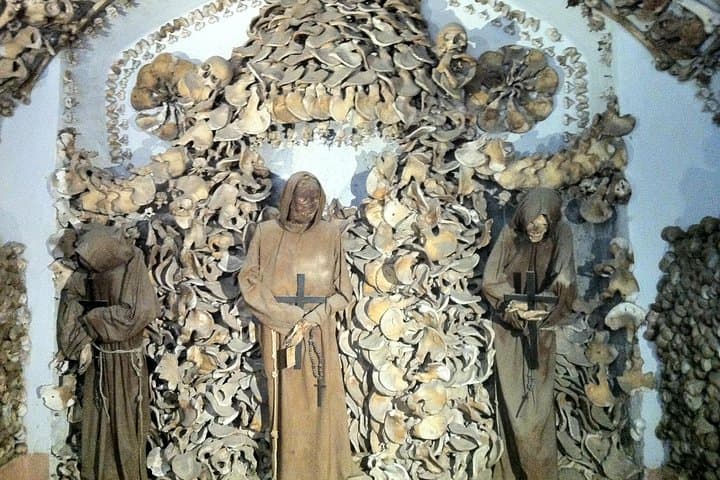
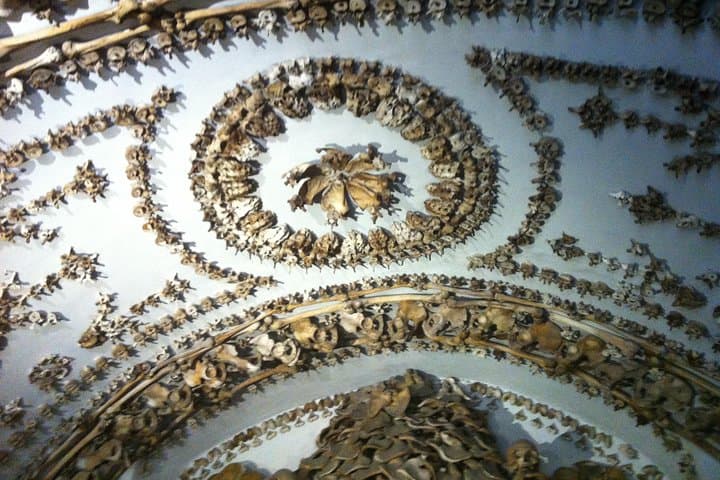
Rome’s underground is geology and urban layers at once: volcanic tuff and compacted alluvium hold basements, cisterns and service passages; imperial engineering met later Christian rites and monastic reuse. The Capuchin Crypt near Via Veneto closes the route with a stark, baroque memento mori—rooms arranged from real human bones as 17th-century friars interpreted mortality.
Expect close quarters, low light and flights of uneven steps; the tour is private and guided, with entrance fees included for the Domitian Stadium and Capuchin Crypt. Photography may be restricted in the crypt; dress respectfully — shoulders and knees covered — to enter sacred spaces. Timing mid-morning avoids the busiest surface crowds and keeps subterranean air fresher. Bring a light layer, comfortable shoes with grip, and a small bottle of water; the guide handles tickets and navigation, but you’ll need steady footing and an appetite for history.
This experience is as much archaeological narrative as it is urban spelunking: stone that was quarried, channeled and reused across two millennia, now waiting for visitors who want to walk the city’s hidden bones.
easy.
3 hours.
Suitable for most fitness levels; requires ability to climb and descend multiple flights of stairs and stand for extended periods.
The private tour runs about 3 hours and typically includes the Domitian Stadium substructure, Vicus Caprarius under the Trevi Fountain, and the Capuchin Crypt; entrance fees are included where stated.
The tour is rated easy but involves stairs, low ceilings and uneven surfaces; it may not be suitable for visitors with limited mobility—check accessibility in advance.
Yes—knees and shoulders must be covered to enter churches and crypts, and photography is often prohibited inside the Capuchin Crypt; follow your guide’s directions.
Full refunds are given if canceled at least 3 full days before departure; cancellations within 3 days are non-refundable—confirm exact terms with your booking provider.
Domitian’s stadium dates to 86 A.D.; Vicus Caprarius preserves parts of the Aqua Virgo’s settlement supply system, while the Capuchin Crypt reflects 17th-century monastic burial practices.
Underground ruins are fragile—stay on paths, avoid touching masonry and follow guide rules to limit wear; support conservation by respecting signage and not leaving waste.
Journey Tours operates guided outdoor trips and adventures with an emphasis on safety, stewardship, and memorable experiences.
You step off a sun-warmed cobble and descend: cool air, low vaults and a hush that makes the city above feel distant. The guide opens a gate into the Stadium of Domitian’s substructure — stone seating ribs and service corridors that once held crowds — then leads you through fissured tufa and travertine cut by centuries of water. The Vicus Caprarius beneath the Trevi Fountain appears like a city of channels, where ancient aqueduct stone still remembers the push of the Aqua Virgo.
You step off a sun-warmed cobble and descend: cool air, low vaults and a hush that makes the city above feel distant. The guide opens a gate into the Stadium of Domitian’s substructure — stone seating ribs and service corridors that once held crowds — then leads you through fissured tufa and travertine cut by centuries of water. The Vicus Caprarius beneath the Trevi Fountain appears like a city of channels, where ancient aqueduct stone still remembers the push of the Aqua Virgo.
Rome’s underground is geology and urban layers at once: volcanic tuff and compacted alluvium hold basements, cisterns and service passages; imperial engineering met later Christian rites and monastic reuse. The Capuchin Crypt near Via Veneto closes the route with a stark, baroque memento mori—rooms arranged from real human bones as 17th-century friars interpreted mortality.
Expect close quarters, low light and flights of uneven steps; the tour is private and guided, with entrance fees included for the Domitian Stadium and Capuchin Crypt. Photography may be restricted in the crypt; dress respectfully — shoulders and knees covered — to enter sacred spaces. Timing mid-morning avoids the busiest surface crowds and keeps subterranean air fresher. Bring a light layer, comfortable shoes with grip, and a small bottle of water; the guide handles tickets and navigation, but you’ll need steady footing and an appetite for history.
This experience is as much archaeological narrative as it is urban spelunking: stone that was quarried, channeled and reused across two millennia, now waiting for visitors who want to walk the city’s hidden bones.