THE ADVENTURE COLLECTIVE® · Independent discovery and booking for outdoor travel

Board a paddleboat beneath towering limestone cliffs and float through one of the world’s longest navigable underground rivers. This private tour pairs door-to-door transport with a guided cave passage — but limited permits and weather mean you should plan ahead.
Board a paddleboat beneath towering limestone cliffs and float through one of the world’s longest navigable underground rivers. This private tour pairs door-to-door transport with a guided cave passage — but limited permits and weather mean you should plan ahead.
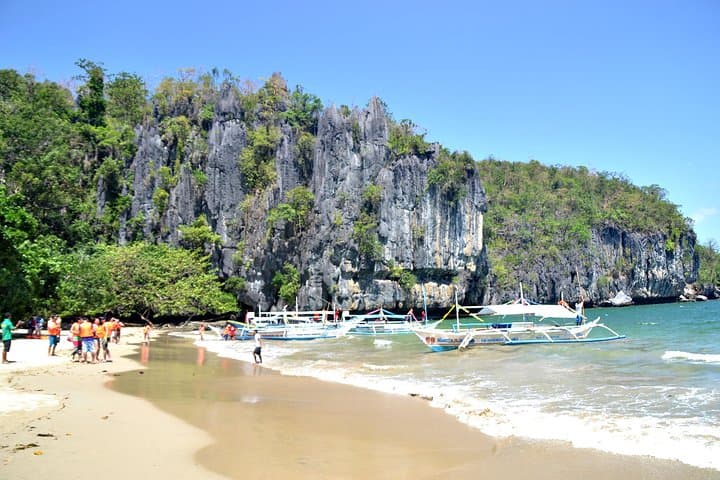
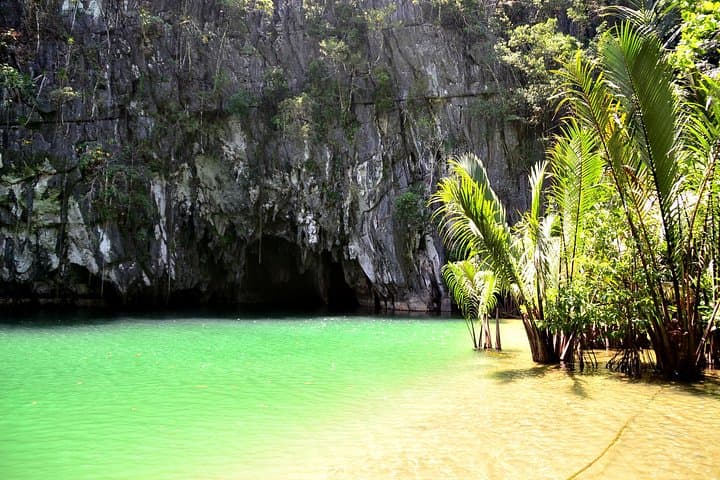
The motorized launch cuts a path through green water and the limestone cliffs raise their gray faces like old fortresses. You step off the dock in Sabang and the morning air smells of wet stone and salt; palms chatter as the van pulls away toward the national park. By the time the park ranger checks permits and the guide briefs the eight of you packed into a paddleboat, the light has softened and the cave entrance gapes like a mouth you are about to enter.
Verified experiences and guided adventures in the surrounding area.
Operated by PALAWAN PRIVATE TOURS · Puerto Princesa, Palawan
The motorized launch cuts a path through green water and the limestone cliffs raise their gray faces like old fortresses. You step off the dock in Sabang and the morning air smells of wet stone and salt; palms chatter as the van pulls away toward the national park. By the time the park ranger checks permits and the guide briefs the eight of you packed into a paddleboat, the light has softened and the cave entrance gapes like a mouth you are about to enter.
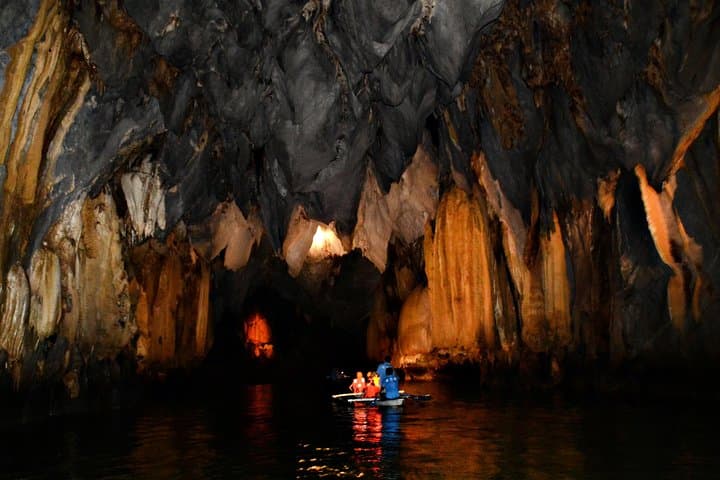
The Puerto Princesa Subterranean River National Park is geological theater. The river itself snakes inland beneath a karst mountain, carving chambers and stalactites over millions of years. Explorers in small paddleboats glide under vaults where limestone drips and pools catch the boat lights. The formations are both alien and ancient — curtains, columns, and fossil marks that hint at changing sea levels long before modern maps.
Beyond geology there is culture and conservation. The area sits within ancestral lands used by indigenous Tagbanua communities; the park is a UNESCO World Heritage site and one of the New Seven Wonders of Nature. That status brought tourism and protections — but also limits: daily permit slots are capped, and boat parties are managed tightly to control impact and preserve the cave’s fragile interior.
Practical details govern the experience as much as the scenery. This private tour bundles door-to-door air-conditioned transport with motorized transfers to the dock, but the cave ride itself is by shared paddleboat of 8–10 people as park policy. Plan a full day: travel time from Puerto Princesa plus waiting and boat rotation usually makes this a 7–8 hour outing. Weather can close crossings; rough seas may cancel motorized transfers and the operator reserves the right to alter plans.
To make the tour go smoothly, book permits well in advance — ideally a month ahead — and provide IDs for permit processing. Dress for humidity and splashes: lightweight quick-dry layers, aqua shoes or secure sandals, and a light rain shell if there are squalls. Bring a small dry bag for phone, sunscreen, and motion-sickness remedies if you are prone to rough water. Photography is possible but bring a camera with good low-light capability or steady your phone on a lanyard; flash is discouraged inside the cave.
This is an experience where logistics meet wonder. You are in a landscape still being written by water; the guide points out calcite drips and crooked columns while you listen to the river seem to take its own measure of time. When the boat slips back into daylight, everything brightens, and you walk away with a clear sense of why this river has become the top draw in Palawan — fragile, spectacular, and worth the planning it demands.
moderate.
7–8 hours.
Moderate fitness recommended — involves short walks, boarding small boats, and some standing in changing conditions.
Expect a full-day excursion — roughly 7–8 hours including pickup, transport, boat transfers, and the cave visit (itinerary varies with pickup location).
Permits must be processed before entry; book at least 7–30 days in advance to ensure availability, with a month recommended during peak season.
No — park policy restricts cave boats to groups of 8–10; private motorized transfers to the dock may be provided but the paddleboat is shared.
Tours are subject to cancellation for rough seas or unsafe conditions; operators may alter transport or cancel with no refund if weather prevents safe passage, per policy.
Children over age 2 are allowed but must be supervised; the tour is not recommended for pregnant travelers or people with serious heart conditions.
Lunch and fees are typically included; basic restrooms and visitor facilities exist at the park visitor center before the boat transfer.
Declared a UNESCO World Heritage site, the underground river has been explored since the 20th century and is central to local Tagbanua cultural landscapes.
Visitor limits, strict boat group sizes, and permit requirements are enforced to reduce impact on cave ecosystems and protect endemic species.
PALAWAN PRIVATE TOURS operates guided outdoor trips and adventures with an emphasis on safety, stewardship, and memorable experiences.
The motorized launch cuts a path through green water and the limestone cliffs raise their gray faces like old fortresses. You step off the dock in Sabang and the morning air smells of wet stone and salt; palms chatter as the van pulls away toward the national park. By the time the park ranger checks permits and the guide briefs the eight of you packed into a paddleboat, the light has softened and the cave entrance gapes like a mouth you are about to enter.
The motorized launch cuts a path through green water and the limestone cliffs raise their gray faces like old fortresses. You step off the dock in Sabang and the morning air smells of wet stone and salt; palms chatter as the van pulls away toward the national park. By the time the park ranger checks permits and the guide briefs the eight of you packed into a paddleboat, the light has softened and the cave entrance gapes like a mouth you are about to enter.
The Puerto Princesa Subterranean River National Park is geological theater. The river itself snakes inland beneath a karst mountain, carving chambers and stalactites over millions of years. Explorers in small paddleboats glide under vaults where limestone drips and pools catch the boat lights. The formations are both alien and ancient — curtains, columns, and fossil marks that hint at changing sea levels long before modern maps.
Beyond geology there is culture and conservation. The area sits within ancestral lands used by indigenous Tagbanua communities; the park is a UNESCO World Heritage site and one of the New Seven Wonders of Nature. That status brought tourism and protections — but also limits: daily permit slots are capped, and boat parties are managed tightly to control impact and preserve the cave’s fragile interior.
Practical details govern the experience as much as the scenery. This private tour bundles door-to-door air-conditioned transport with motorized transfers to the dock, but the cave ride itself is by shared paddleboat of 8–10 people as park policy. Plan a full day: travel time from Puerto Princesa plus waiting and boat rotation usually makes this a 7–8 hour outing. Weather can close crossings; rough seas may cancel motorized transfers and the operator reserves the right to alter plans.
To make the tour go smoothly, book permits well in advance — ideally a month ahead — and provide IDs for permit processing. Dress for humidity and splashes: lightweight quick-dry layers, aqua shoes or secure sandals, and a light rain shell if there are squalls. Bring a small dry bag for phone, sunscreen, and motion-sickness remedies if you are prone to rough water. Photography is possible but bring a camera with good low-light capability or steady your phone on a lanyard; flash is discouraged inside the cave.
This is an experience where logistics meet wonder. You are in a landscape still being written by water; the guide points out calcite drips and crooked columns while you listen to the river seem to take its own measure of time. When the boat slips back into daylight, everything brightens, and you walk away with a clear sense of why this river has become the top draw in Palawan — fragile, spectacular, and worth the planning it demands.