THE ADVENTURE COLLECTIVE® · Independent discovery and booking for outdoor travel

Spend a day chasing waterfalls, rice-terrace views and the iconic Ubud swing on a private tour that balances photo moments with easy hikes and a coffee-farm visit. This full-day loop delivers shade, plunges and practical local know‑how—perfect for first-timers who want a lot in one long, active day.
Spend a day chasing waterfalls, rice-terrace views and the iconic Ubud swing on a private tour that balances photo moments with easy hikes and a coffee-farm visit. This full-day loop delivers shade, plunges and practical local know‑how—perfect for first-timers who want a lot in one long, active day.
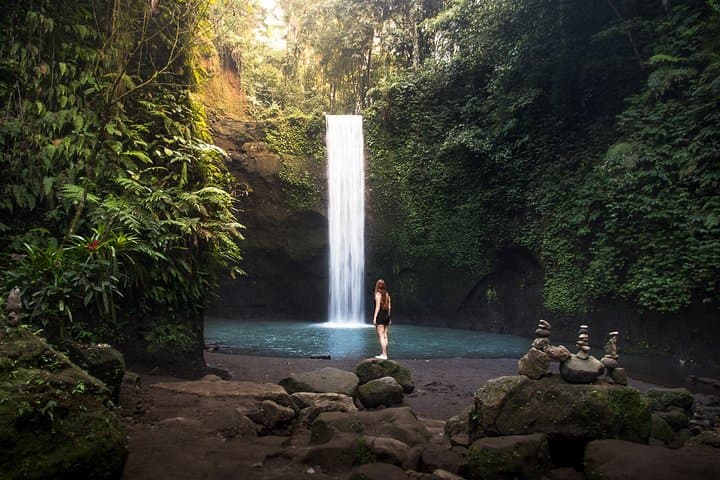
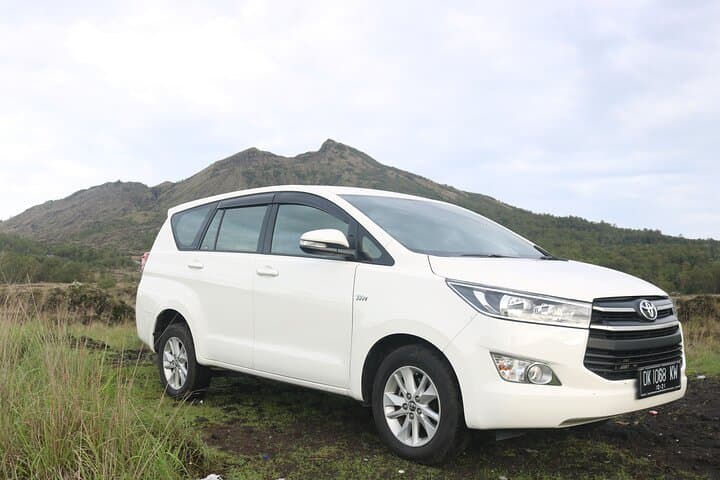
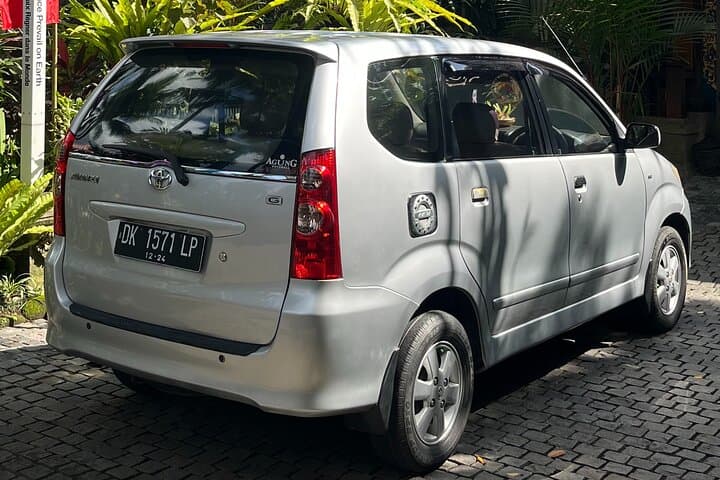
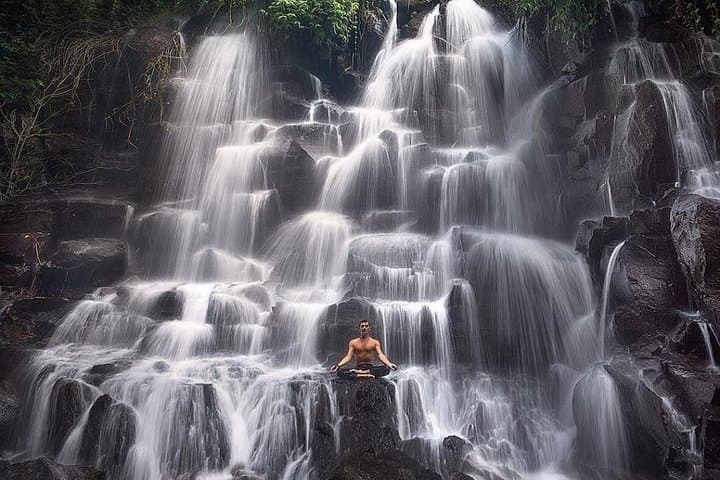
The morning light in central Bali finds its way through palm fronds and rice stalks, turning the valley into a banded green stage. On this private full-day loop from Ubud, a small van threads narrow lanes past terraced fields and temple gateways until the road gives way to the sound of falling water. At the first cascade—Tegenungan—the river announces itself with a long, steady roar and a pool that dares you to step in. Later, at Tibumana, water slips gentler through a shaded gorge; the current nudges visitors toward its cool plunge pool and the cliffside photo ops.
Verified experiences and guided adventures in the surrounding area.
Operated by Bali Tourist Information · Ubud, Bali
The morning light in central Bali finds its way through palm fronds and rice stalks, turning the valley into a banded green stage. On this private full-day loop from Ubud, a small van threads narrow lanes past terraced fields and temple gateways until the road gives way to the sound of falling water. At the first cascade—Tegenungan—the river announces itself with a long, steady roar and a pool that dares you to step in. Later, at Tibumana, water slips gentler through a shaded gorge; the current nudges visitors toward its cool plunge pool and the cliffside photo ops.
These sites sit on the island’s volcanic soils, carved over millennia by streams cutting down through ash and tufa. Tegallalang’s stepped terraces nearby are not just scenic; they are the visually obvious result of Bali’s Subak system—an age-old cooperative irrigation network shaped by Balinese Hindu practice that still guides water from ridge to rice field. The “swing” near Ubud—an attraction that sends visitors out over a cliff-face view of palms and paddies—grew from local hospitality entrepreneurs tapping into the demand for dramatic photos. Many swings and photo platforms are privately operated alongside coffee and spice farms where smallholders roast beans in the shade of jackfruit and cacao trees.
Culturally, the day alternates between the tactile and the spiritual: moss-slick stairs and wet stone, the scent of kopi brewing, and temple shrines where offerings of flowers and rice are set with careful hands. Guides on this route often double as storytellers—pointing out clan temples, explaining Subak customs, and negotiating entry at small local farms.
Practical guidance: this is an easy, full-day private tour (about 10 hours) with multiple short walks and some stair sections—expect uneven stone and slippery approaches near falls. Bring a swimsuit, a quick-dry towel, and footwear that grips wet rock (closed water shoes or sturdy sandals). Carry small bills in Indonesian rupiah for local entrance fees and swing/photo charges—many spots accept only cash. Start early to beat the mid-morning crowds at the most Instagrammed drops and to avoid the afternoon rains in the wet season. Hydrate—the combination of heat and stair climbing adds up—and pack reef-safe sunscreen and insect repellent. Respect local rules: don’t feed macaques, follow posted paths, and tip your driver/guide for personalized attention. For photographers, soft morning or late-afternoon light will yield the best textures in water and rice terraces. The private format makes timing flexible: swap a stop or linger at a favorite pool, but keep an eye on weather—guides commonly adapt the order if afternoon storms are forecast.
easy.
10 hours.
Suitable for most fitness levels; includes short, sometimes steep stair sections and brief walks to pools.
The tour runs about 10 hours from pickup to drop-off, depending on traffic and the stops you choose to extend or shorten.
Standard entry fees and swing/photo charges are typically not included—bring cash in small rupiah denominations to pay on site.
Yes—this private tour is flexible and generally suitable for families and older travelers, though some falls require navigating stairs and uneven ground.
Yes—bring a swimsuit and towel if you plan to swim; many visitors change at small facilities or in the van between stops.
Yes—because the tour is private, the guide can adapt the itinerary based on preferences, weather, or mobility needs.
Tipping is appreciated but discretionary; 50,000–150,000 IDR per person for a full-day private service is a common guideline.
The Tegallalang terraces reflect the Subak irrigation system—an ancient, community-managed water-sharing practice integral to Balinese agriculture and ritual life.
Stick to designated paths, avoid single-use plastic, and buy coffee and crafts from local farmers to support smallholders who maintain the landscape.
Bali Tourist Information operates guided outdoor trips and adventures with an emphasis on safety, stewardship, and memorable experiences.
The morning light in central Bali finds its way through palm fronds and rice stalks, turning the valley into a banded green stage. On this private full-day loop from Ubud, a small van threads narrow lanes past terraced fields and temple gateways until the road gives way to the sound of falling water. At the first cascade—Tegenungan—the river announces itself with a long, steady roar and a pool that dares you to step in. Later, at Tibumana, water slips gentler through a shaded gorge; the current nudges visitors toward its cool plunge pool and the cliffside photo ops.
The morning light in central Bali finds its way through palm fronds and rice stalks, turning the valley into a banded green stage. On this private full-day loop from Ubud, a small van threads narrow lanes past terraced fields and temple gateways until the road gives way to the sound of falling water. At the first cascade—Tegenungan—the river announces itself with a long, steady roar and a pool that dares you to step in. Later, at Tibumana, water slips gentler through a shaded gorge; the current nudges visitors toward its cool plunge pool and the cliffside photo ops.
These sites sit on the island’s volcanic soils, carved over millennia by streams cutting down through ash and tufa. Tegallalang’s stepped terraces nearby are not just scenic; they are the visually obvious result of Bali’s Subak system—an age-old cooperative irrigation network shaped by Balinese Hindu practice that still guides water from ridge to rice field. The “swing” near Ubud—an attraction that sends visitors out over a cliff-face view of palms and paddies—grew from local hospitality entrepreneurs tapping into the demand for dramatic photos. Many swings and photo platforms are privately operated alongside coffee and spice farms where smallholders roast beans in the shade of jackfruit and cacao trees.
Culturally, the day alternates between the tactile and the spiritual: moss-slick stairs and wet stone, the scent of kopi brewing, and temple shrines where offerings of flowers and rice are set with careful hands. Guides on this route often double as storytellers—pointing out clan temples, explaining Subak customs, and negotiating entry at small local farms.
Practical guidance: this is an easy, full-day private tour (about 10 hours) with multiple short walks and some stair sections—expect uneven stone and slippery approaches near falls. Bring a swimsuit, a quick-dry towel, and footwear that grips wet rock (closed water shoes or sturdy sandals). Carry small bills in Indonesian rupiah for local entrance fees and swing/photo charges—many spots accept only cash. Start early to beat the mid-morning crowds at the most Instagrammed drops and to avoid the afternoon rains in the wet season. Hydrate—the combination of heat and stair climbing adds up—and pack reef-safe sunscreen and insect repellent. Respect local rules: don’t feed macaques, follow posted paths, and tip your driver/guide for personalized attention. For photographers, soft morning or late-afternoon light will yield the best textures in water and rice terraces. The private format makes timing flexible: swap a stop or linger at a favorite pool, but keep an eye on weather—guides commonly adapt the order if afternoon storms are forecast.