THE ADVENTURE COLLECTIVE® · Independent discovery and booking for outdoor travel

Spend a private day exploring Ubud’s highlights: playful macaques in the Monkey Forest, the sculpted slopes of Tegalalang, sacred springs at Tirta Empul, and a jungle waterfall swim. This eight‑hour tour combines culture, nature, and local insight with hotel pickup and an English‑speaking driver.
Spend a private day exploring Ubud’s highlights: playful macaques in the Monkey Forest, the sculpted slopes of Tegalalang, sacred springs at Tirta Empul, and a jungle waterfall swim. This eight‑hour tour combines culture, nature, and local insight with hotel pickup and an English‑speaking driver.
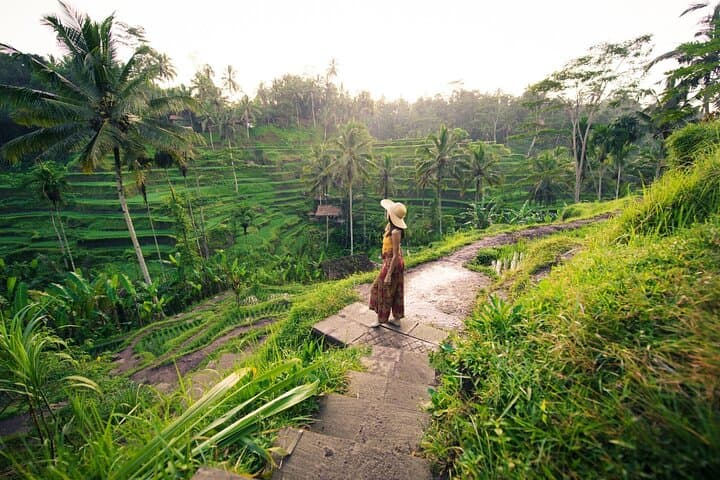
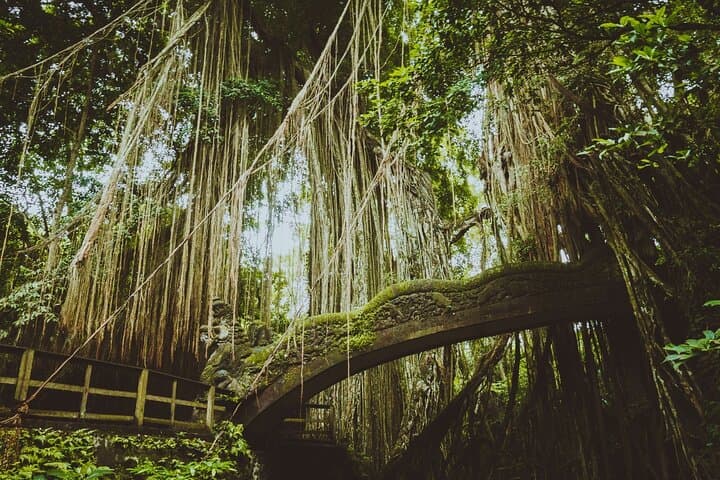
Steam rises from the valley as the van eases into Ubud’s narrow lanes — palms claw at the sky and temple bells sound across rice paddies. On a private eight‑hour circuit, travelers move from the Sacred Monkey Forest’s shaded stone paths to the stepped green curves of Tegalalang, watch locals tending terrace edges, then cross into the clear pools of a jungle waterfall and the calm sanctity of Tirta Empul.
Verified experiences and guided adventures in the surrounding area.
Operated by Bali Best Things To Do · Ubud, Bali
Steam rises from the valley as the van eases into Ubud’s narrow lanes — palms claw at the sky and temple bells sound across rice paddies. On a private eight‑hour circuit, travelers move from the Sacred Monkey Forest’s shaded stone paths to the stepped green curves of Tegalalang, watch locals tending terrace edges, then cross into the clear pools of a jungle waterfall and the calm sanctity of Tirta Empul.
Ubud sits on Bali’s interior uplands, a region shaped by volcanic soils and centuries of subak irrigation — the cooperative terrace system that sculpts the landscape here. Tirta Empul dates to the 10th–11th century and remains an active pilgrimage site where Balinese Hindus perform purification rituals in spring‑fed pools. The Sacred Monkey Forest Sanctuary protects long‑tailed macaques and a cluster of moss‑draped temple ruins; Tegalalang shows rice cultivation on steep contours that channel water from higher slopes.
Expect varied terrain: paved temple courtyards and uneven jungle trails; light swimming requires steps into a natural pool. The private format means an English‑speaking driver/guide, hotel pickup, and an air‑conditioned vehicle — and often a sarong for temple entry. Allow half the day for driving between sites; mornings are cooler and less crowded.
Practical tips: secure loose items around monkeys, wear non‑slip shoes for wet stone, bring swimwear and a quick‑dry towel, and carry small local currency for entrance fees, snacks, and donations. With modest preparation this day delivers culture, wildlife, and a clear taste of Bali’s living landscape.
easy.
8 hours.
Light walking on uneven surfaces; suitable for most fitness levels but requires mobility for short trails and steps.
Yes — hotel pickup and drop‑off within the Ubud area are included as part of the private tour.
Entrance to attractions can be included depending on booking option; confirm at reservation and carry small cash for on‑site fees or donations.
Yes — the itinerary is family‑friendly, but supervise kids around monkeys and water, and note the tour is not recommended for travelers with serious spinal or heart conditions.
Visitors can observe and, if they choose, participate in the purification ritual; a sarong is required for temple entry and is often provided by the operator.
Ubud grew as a center for art and royal courts in Bali’s interior; many temples and rice terraces reflect centuries of Hindu practice and cooperative water management (subak).
The Monkey Forest is managed as a sanctuary balancing tourism and habitat protection; visitors are asked to follow rules to minimize stress on wildlife and avoid feeding animals.
Bali Best Things To Do operates guided outdoor trips and adventures with an emphasis on safety, stewardship, and memorable experiences.


Steam rises from the valley as the van eases into Ubud’s narrow lanes — palms claw at the sky and temple bells sound across rice paddies. On a private eight‑hour circuit, travelers move from the Sacred Monkey Forest’s shaded stone paths to the stepped green curves of Tegalalang, watch locals tending terrace edges, then cross into the clear pools of a jungle waterfall and the calm sanctity of Tirta Empul.
Steam rises from the valley as the van eases into Ubud’s narrow lanes — palms claw at the sky and temple bells sound across rice paddies. On a private eight‑hour circuit, travelers move from the Sacred Monkey Forest’s shaded stone paths to the stepped green curves of Tegalalang, watch locals tending terrace edges, then cross into the clear pools of a jungle waterfall and the calm sanctity of Tirta Empul.
Ubud sits on Bali’s interior uplands, a region shaped by volcanic soils and centuries of subak irrigation — the cooperative terrace system that sculpts the landscape here. Tirta Empul dates to the 10th–11th century and remains an active pilgrimage site where Balinese Hindus perform purification rituals in spring‑fed pools. The Sacred Monkey Forest Sanctuary protects long‑tailed macaques and a cluster of moss‑draped temple ruins; Tegalalang shows rice cultivation on steep contours that channel water from higher slopes.
Expect varied terrain: paved temple courtyards and uneven jungle trails; light swimming requires steps into a natural pool. The private format means an English‑speaking driver/guide, hotel pickup, and an air‑conditioned vehicle — and often a sarong for temple entry. Allow half the day for driving between sites; mornings are cooler and less crowded.
Practical tips: secure loose items around monkeys, wear non‑slip shoes for wet stone, bring swimwear and a quick‑dry towel, and carry small local currency for entrance fees, snacks, and donations. With modest preparation this day delivers culture, wildlife, and a clear taste of Bali’s living landscape.