THE ADVENTURE COLLECTIVE® · Independent discovery and booking for outdoor travel

Spend a private day exploring Ubud’s cultural and natural highlights: monkey forest, art market, temple springs, rice terraces and a refreshing waterfall swim. This practical guide explains what you’ll see, how to prepare, and smart tips for a smooth day in Bali’s cultural heart.
Spend a private day exploring Ubud’s cultural and natural highlights: monkey forest, art market, temple springs, rice terraces and a refreshing waterfall swim. This practical guide explains what you’ll see, how to prepare, and smart tips for a smooth day in Bali’s cultural heart.
You step out of an air‑conditioned minivan and the air changes—warm, humid, threaded with frangipani and exhaust—while the river calls you toward green terraces and shaded temple courtyards.
Verified experiences and guided adventures in the surrounding area.
Operated by Sindu Bali Driver · Ubud, Bali
You step out of an air‑conditioned minivan and the air changes—warm, humid, threaded with frangipani and exhaust—while the river calls you toward green terraces and shaded temple courtyards.
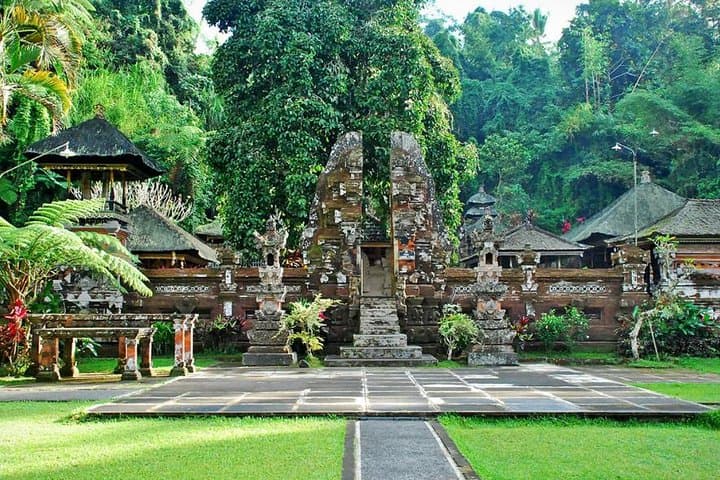
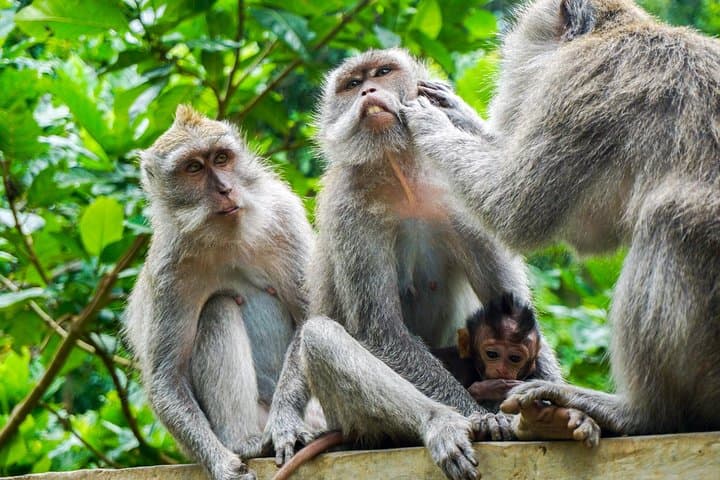
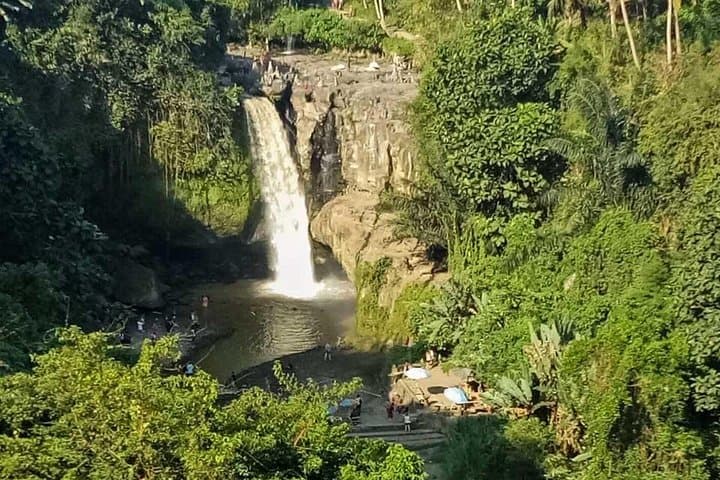
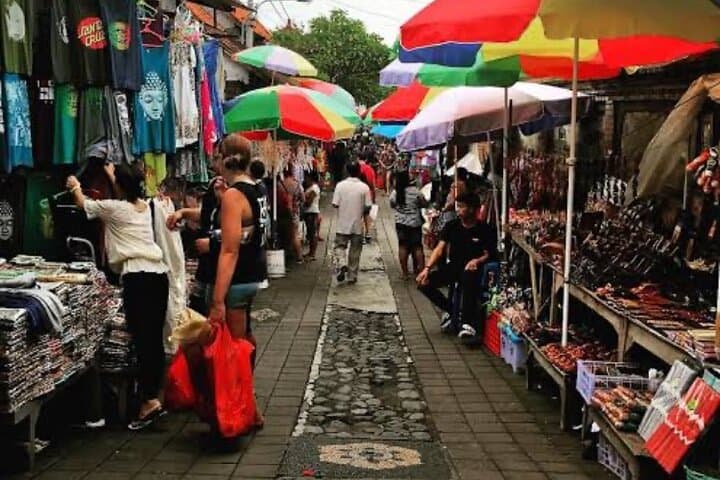
This private six‑hour loop through central Ubud moves fast but feels deliberate: a guided walk among the long‑tailed macaques of the Sacred Monkey Forest, a bargaining stop at Ubud Art Market, a quiet ritual at Gunung Kawi Sebatu’s spring‑fed pools, and a dip beneath the heavy torrents of Tegenungan waterfall. The day finishes high above paddies at Tegalalang where commercial swings and bird’s‑nest platforms let you trade the rice terraces’ slow work for a sharp breath of view.
Ubud’s landscape is sculpted by volcanic soils and the subak irrigation system introduced centuries ago—rice terraces are engineered slopes that channel water from springs and rivers. Temples like Gunung Kawi Sebatu reflect Bali’s syncretic Hindu traditions; many sites still function as active places of worship.
What to expect practically: the tour includes private transport with AC, bottled water, and a driver‑guide. Trails are short but uneven—stone steps, muddy tracks and slick rocks at waterfall edges. Monkey Forest requires vigilance with personal items; temple visits call for modest clothing and a sarong. Bring sturdy shoes that can handle puddles, a swim change, insect repellent and cash for small entrance fees or market purchases.
Timing matters: mornings are cooler and quieter; late afternoons bring heavier traffic and softer light over the paddies. Respect the sites—don’t feed wildlife, and leave no trace of your passage.
easy.
6 hours.
Suitable for most fitness levels; includes short walks, steps and brief uneven terrain
Yes; the itinerary is paced for general ability, but expect stairs and uneven ground—bring assistance if mobility is limited.
Some stops may have local entrance fees not always included in the package—carry small cash to cover these.
Yes, swing and zip‑line vendors operate near Tegalalang; these activities are optional, extra cost, and have their own safety briefings.
Do not feed or touch the macaques; keep valuables secured—monkeys can be aggressive and will take loose items.
Ubud grew from a center of rice production and palace culture; the subak irrigation system and royal patronage shaped its temples, markets and arts scene.
Local communities balance tourism with rice‑field stewardship—stay on paths, avoid plastic, and don’t feed wildlife to reduce human‑wildlife conflict.
Sindu Bali Driver operates guided outdoor trips and adventures with an emphasis on safety, stewardship, and memorable experiences.
You step out of an air‑conditioned minivan and the air changes—warm, humid, threaded with frangipani and exhaust—while the river calls you toward green terraces and shaded temple courtyards.
You step out of an air‑conditioned minivan and the air changes—warm, humid, threaded with frangipani and exhaust—while the river calls you toward green terraces and shaded temple courtyards.
This private six‑hour loop through central Ubud moves fast but feels deliberate: a guided walk among the long‑tailed macaques of the Sacred Monkey Forest, a bargaining stop at Ubud Art Market, a quiet ritual at Gunung Kawi Sebatu’s spring‑fed pools, and a dip beneath the heavy torrents of Tegenungan waterfall. The day finishes high above paddies at Tegalalang where commercial swings and bird’s‑nest platforms let you trade the rice terraces’ slow work for a sharp breath of view.
Ubud’s landscape is sculpted by volcanic soils and the subak irrigation system introduced centuries ago—rice terraces are engineered slopes that channel water from springs and rivers. Temples like Gunung Kawi Sebatu reflect Bali’s syncretic Hindu traditions; many sites still function as active places of worship.
What to expect practically: the tour includes private transport with AC, bottled water, and a driver‑guide. Trails are short but uneven—stone steps, muddy tracks and slick rocks at waterfall edges. Monkey Forest requires vigilance with personal items; temple visits call for modest clothing and a sarong. Bring sturdy shoes that can handle puddles, a swim change, insect repellent and cash for small entrance fees or market purchases.
Timing matters: mornings are cooler and quieter; late afternoons bring heavier traffic and softer light over the paddies. Respect the sites—don’t feed wildlife, and leave no trace of your passage.