THE ADVENTURE COLLECTIVE® · Independent discovery and booking for outdoor travel

Spend a full day moving between Ubud’s cultural heart and nearby natural highlights: batik and silversmith villages, Tegalalang rice terraces, the cave-locked Tukad Cepung waterfall and a sunset at Uluwatu Temple. Comfortable walking, cultural awareness and a sense of curiosity make this private tour rewarding.
Spend a full day moving between Ubud’s cultural heart and nearby natural highlights: batik and silversmith villages, Tegalalang rice terraces, the cave-locked Tukad Cepung waterfall and a sunset at Uluwatu Temple. Comfortable walking, cultural awareness and a sense of curiosity make this private tour rewarding.
You arrive before the afternoon heat peaks, winding off a narrow road into Ubud’s patchwork of temples, rice fields and artisan lanes. The driver eases through palm-lined villages, and the first stop — a batik workshop in Tohpati — smells of dye and hot wax. Later, the jungle opens; a staircut descent leads to Tukad Cepung, light slicing through a cave mouth onto a curtain of water, the canyon pushing cold spray against your skin.
Verified experiences and guided adventures in the surrounding area.
Operated by Putu Bali Driver · Ubud, Bali
You arrive before the afternoon heat peaks, winding off a narrow road into Ubud’s patchwork of temples, rice fields and artisan lanes. The driver eases through palm-lined villages, and the first stop — a batik workshop in Tohpati — smells of dye and hot wax. Later, the jungle opens; a staircut descent leads to Tukad Cepung, light slicing through a cave mouth onto a curtain of water, the canyon pushing cold spray against your skin.
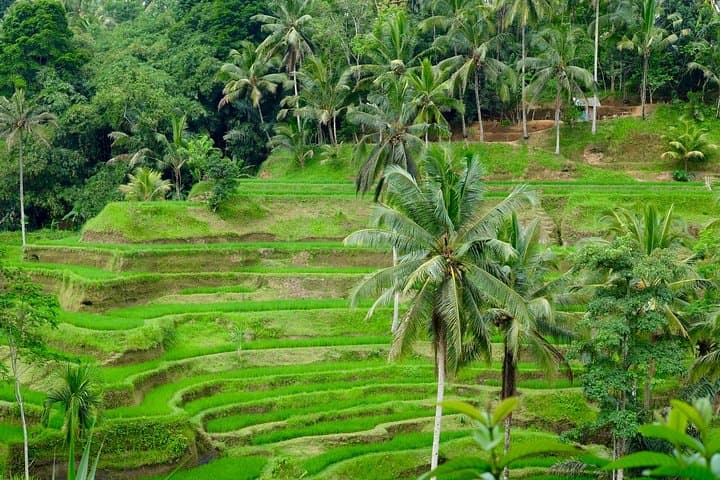
Ubud grew from a center of royal patronage and grain cultivation into Bali’s cultural hub. Goa Gajah dates back to the 11th century, its carved entrance a reminder of Hindu-Buddhist layering in local history. The terraces at Tegalalang reveal centuries of subak irrigation engineering — stepped fields shaped by volcanic soils and gravity-fed channels.
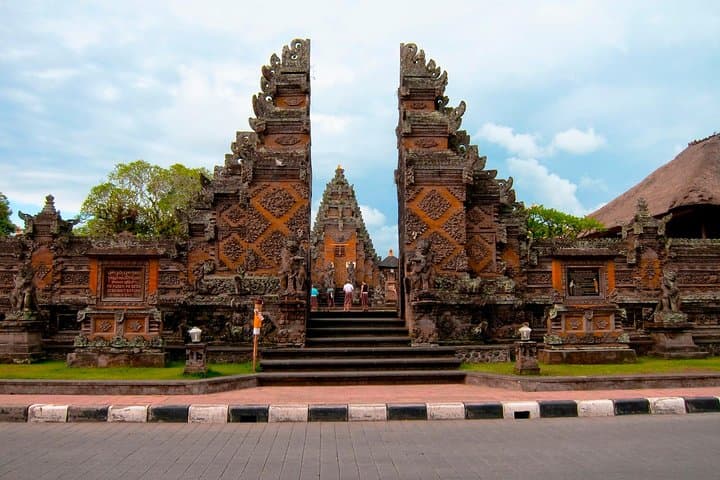
This private itinerary blends culture and landscape: gold- and silver-smithing in Celuk, Batuan Temple’s carved gates, a rice-terrace photo stop, the cave waterfall approach with short, steep steps, and an evening ride to Uluwatu for sunset over the sea and a dramatic temple silhouette.
Practical guide: expect a full day (roughly 10 hours) with intermittent walking, some uneven steps and short stream crossings at the waterfall. Bring sturdy shoes for wet sections, sun protection for terrace viewpoints and a lightweight rain layer during the monsoon months. Respect temple dress codes — sarongs are often provided — and plan hotel pickup early to beat traffic. For photographers, the best light at Tukad Cepung is late morning; Uluwatu delivers sunset color but can be windy. This private format gives flexibility to linger at workshops or move on quickly if crowds swell.
moderate.
8–10 hours.
Suitable for travelers with average fitness; includes short hikes, stairs, and slippery surfaces.
The tour runs about 10 hours (600 minutes) and operators usually pick up from Ubud-area hotels in the morning—confirm pickup time at booking.
Some temple and attraction fees are included but policies vary; sarongs are often available on-site but check the tour inclusions beforehand.
The descent to Tukad Cepung involves steep steps and stream crossings—it's manageable for confident children and ambulatory adults but not recommended for those with limited mobility.
Yes—private format typically allows flexibility to spend more time at workshops, skip stops, or adjust timing for light and crowds; discuss preferences with your guide.
Ubud developed as a center of royalty and rice agriculture; temples like Goa Gajah date back to the 11th century and reflect Hindu-Buddhist syncretism.
Heavy visitation pressures terraces and temple precincts—stick to paths, avoid trampling paddies, and support local artisans to keep tourism benefits local.
Putu Bali Driver operates guided outdoor trips and adventures with an emphasis on safety, stewardship, and memorable experiences.
You arrive before the afternoon heat peaks, winding off a narrow road into Ubud’s patchwork of temples, rice fields and artisan lanes. The driver eases through palm-lined villages, and the first stop — a batik workshop in Tohpati — smells of dye and hot wax. Later, the jungle opens; a staircut descent leads to Tukad Cepung, light slicing through a cave mouth onto a curtain of water, the canyon pushing cold spray against your skin.
You arrive before the afternoon heat peaks, winding off a narrow road into Ubud’s patchwork of temples, rice fields and artisan lanes. The driver eases through palm-lined villages, and the first stop — a batik workshop in Tohpati — smells of dye and hot wax. Later, the jungle opens; a staircut descent leads to Tukad Cepung, light slicing through a cave mouth onto a curtain of water, the canyon pushing cold spray against your skin.
Ubud grew from a center of royal patronage and grain cultivation into Bali’s cultural hub. Goa Gajah dates back to the 11th century, its carved entrance a reminder of Hindu-Buddhist layering in local history. The terraces at Tegalalang reveal centuries of subak irrigation engineering — stepped fields shaped by volcanic soils and gravity-fed channels.
This private itinerary blends culture and landscape: gold- and silver-smithing in Celuk, Batuan Temple’s carved gates, a rice-terrace photo stop, the cave waterfall approach with short, steep steps, and an evening ride to Uluwatu for sunset over the sea and a dramatic temple silhouette.
Practical guide: expect a full day (roughly 10 hours) with intermittent walking, some uneven steps and short stream crossings at the waterfall. Bring sturdy shoes for wet sections, sun protection for terrace viewpoints and a lightweight rain layer during the monsoon months. Respect temple dress codes — sarongs are often provided — and plan hotel pickup early to beat traffic. For photographers, the best light at Tukad Cepung is late morning; Uluwatu delivers sunset color but can be windy. This private format gives flexibility to linger at workshops or move on quickly if crowds swell.