THE ADVENTURE COLLECTIVE® · Independent discovery and booking for outdoor travel

Skip the crowds and dive two of Bonaire’s best sites on a private boat trip tailored to conditions and your interests. Expect coral gardens, drop‑offs, turtle encounters, and relaxed surface intervals with light refreshments.
Skip the crowds and dive two of Bonaire’s best sites on a private boat trip tailored to conditions and your interests. Expect coral gardens, drop‑offs, turtle encounters, and relaxed surface intervals with light refreshments.
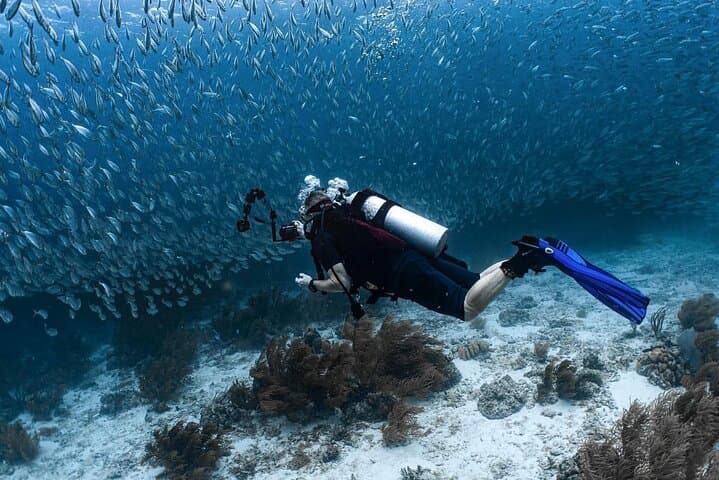
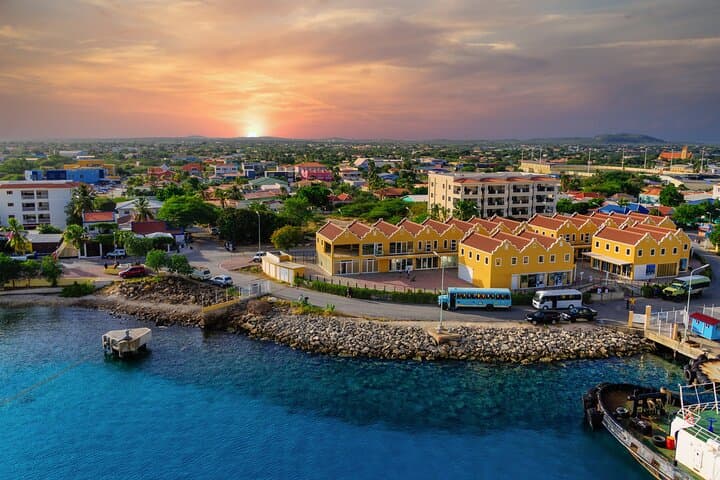
The boat eases away from Kralendijk as the shallows fall off into cobalt silence, and the world above the swell gives way to a reef of color and motion.
Verified experiences and guided adventures in the surrounding area.
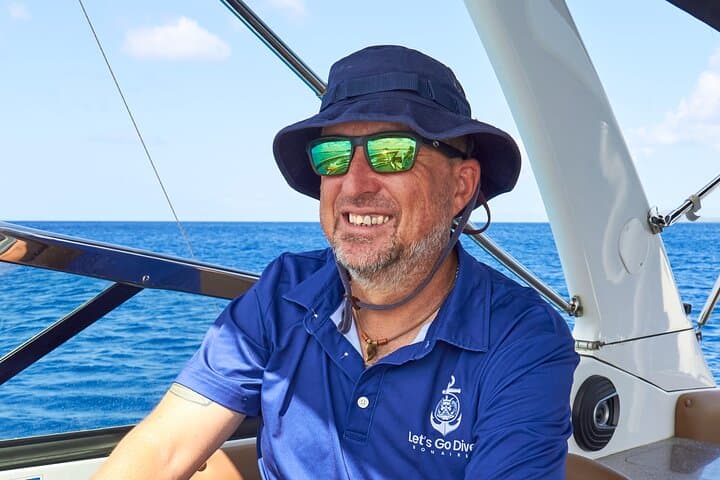
Operated by Let's Go Dive Bonaire · Kralendijk, Bonaire
The boat eases away from Kralendijk as the shallows fall off into cobalt silence, and the world above the swell gives way to a reef of color and motion.
Bonaire’s coast is a living edge—limestone platforms fractured by ancient currents, coral ledges that drop sharply into blue, and mangrove-framed bays where sea turtles forage. The island’s history as a seafaring hub and salt producer shaped its shoreline; much of the modern diving culture grew from local fishers turned reef guardians. You’ll notice Spanish and Dutch influences in place names and the casual, island-style hospitality that moves at its own pace.
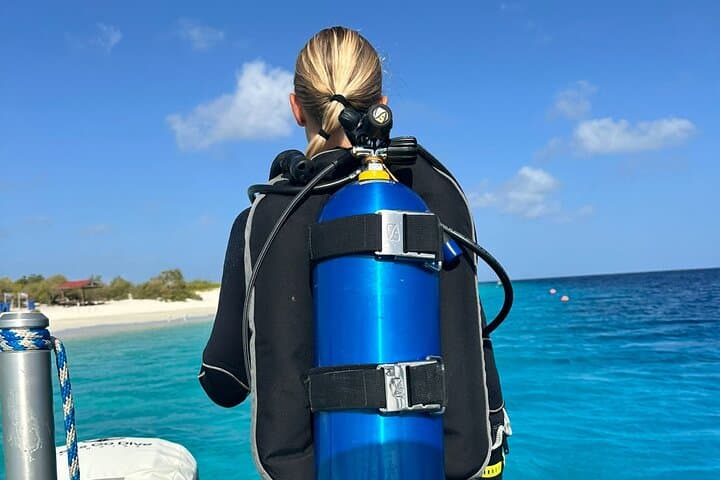
On a two‑tank boat dive you typically hit two nearby sites chosen for current, visibility, and the life you want to see—coral gardens, gentle walls, or sandy channels where eagle rays cruise. Expect dives in the 10–30 m (30–100 ft) range, surface intervals on the boat with light picnic fare, and plenty of time to photograph or log your dives.
Practical tips: arrive with certification and logbook, hydrate before boarding, and plan for midday sun—reef‑safe sunscreen and a UV shirt are essential. Most operators supply tanks, weights, BCDs, and regulators; bring a well‑fitting mask and your own computer if you prefer. Weather is predictable but wind can shape the day’s plan; the operator will pick sites to match conditions.
This format prioritizes calm, personalized diving—no crowds, attentive briefings, and the freedom to follow the reef at your pace.
moderate.
4–6 hours.
Moderate fitness—able to carry a small kit, climb on and off a boat, and complete multiple descents up to 30 m/100 ft.
Yes—participants must hold a recognized open water scuba certification and bring proof; some operators may accept refresher dives for inactive divers.
Sites are chosen to match conditions and diver experience—many are suitable for intermediate divers, while deeper walls require more experience and good buoyancy.
Most operators supply tanks, weights, BCDs, regulators, and a leaded wetsuit if needed; confirm if you want to use your own gear or need a rental mask.
Eat a light meal and hydrate well; avoid heavy alcohol the night before and large meals immediately before a dive.
Bonaire’s modern dive culture grew from local fishermen and conservation efforts in the late 20th century, leading to strong local protections for reefs and fisheries.
Bonaire enforces marine reserves and mooring buoys to protect reefs—choose operators that use moorings, practice no‑touch diving, and promote reef‑safe products.
Let's Go Dive Bonaire operates guided outdoor trips and adventures with an emphasis on safety, stewardship, and memorable experiences.
The boat eases away from Kralendijk as the shallows fall off into cobalt silence, and the world above the swell gives way to a reef of color and motion.
The boat eases away from Kralendijk as the shallows fall off into cobalt silence, and the world above the swell gives way to a reef of color and motion.
Bonaire’s coast is a living edge—limestone platforms fractured by ancient currents, coral ledges that drop sharply into blue, and mangrove-framed bays where sea turtles forage. The island’s history as a seafaring hub and salt producer shaped its shoreline; much of the modern diving culture grew from local fishers turned reef guardians. You’ll notice Spanish and Dutch influences in place names and the casual, island-style hospitality that moves at its own pace.
On a two‑tank boat dive you typically hit two nearby sites chosen for current, visibility, and the life you want to see—coral gardens, gentle walls, or sandy channels where eagle rays cruise. Expect dives in the 10–30 m (30–100 ft) range, surface intervals on the boat with light picnic fare, and plenty of time to photograph or log your dives.
Practical tips: arrive with certification and logbook, hydrate before boarding, and plan for midday sun—reef‑safe sunscreen and a UV shirt are essential. Most operators supply tanks, weights, BCDs, and regulators; bring a well‑fitting mask and your own computer if you prefer. Weather is predictable but wind can shape the day’s plan; the operator will pick sites to match conditions.
This format prioritizes calm, personalized diving—no crowds, attentive briefings, and the freedom to follow the reef at your pace.