THE ADVENTURE COLLECTIVE® · Independent discovery and booking for outdoor travel

Two days of Northern Ireland’s defining landscapes and history: from Belfast’s Titanic heritage to the basalt steps of the Giant’s Causeway along the dramatic Causeway Coastal Route. Expect coastal drives, ruined castles, and short walks across iconic geology.
Two days of Northern Ireland’s defining landscapes and history: from Belfast’s Titanic heritage to the basalt steps of the Giant’s Causeway along the dramatic Causeway Coastal Route. Expect coastal drives, ruined castles, and short walks across iconic geology.
You step into a damp Atlantic wind as the coach peels away from Dublin and the road unspools toward Northern Ireland’s raw coastline. By evening you’re in Belfast: shipyards, murals, and the hulking story of the Titanic threaded through rust-red cranes and a modern museum that frames industrial ambition.
Verified experiences and guided adventures in the surrounding area.
Operated by Za Execs · Bushmills, County Antrim
You step into a damp Atlantic wind as the coach peels away from Dublin and the road unspools toward Northern Ireland’s raw coastline. By evening you’re in Belfast: shipyards, murals, and the hulking story of the Titanic threaded through rust-red cranes and a modern museum that frames industrial ambition.
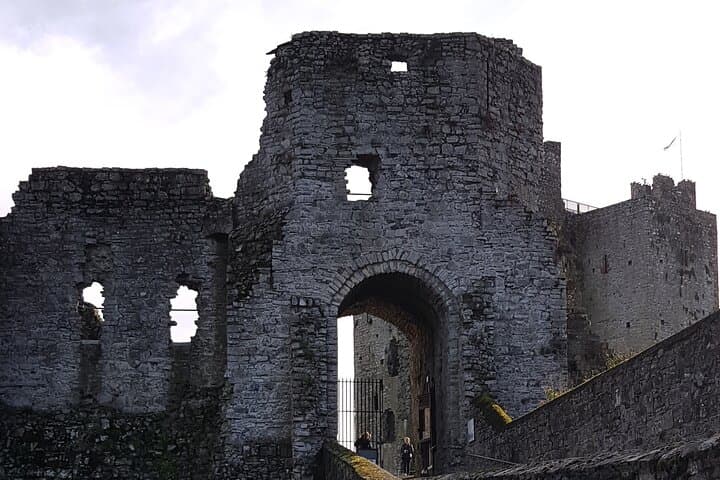
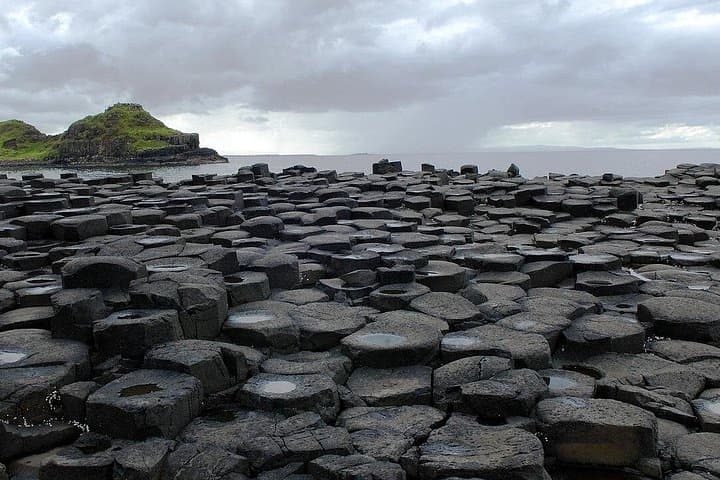
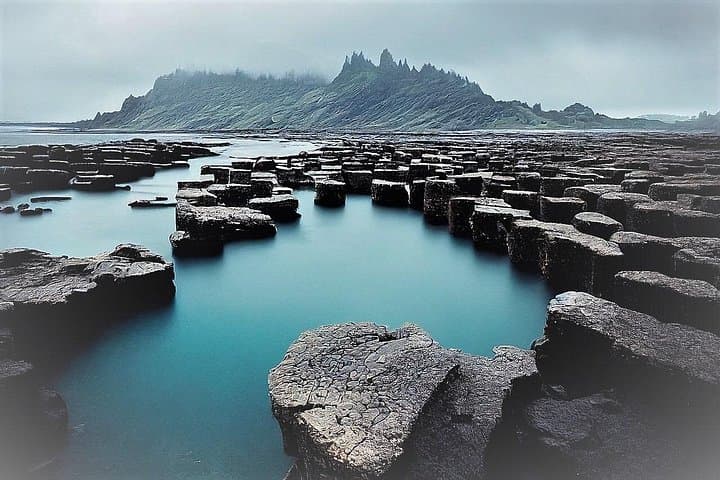
On day two the coastline takes the lead. The Causeway Coastal Route winds past cliff drops, beaches and basalt stacks that look engineered but are 60 million-year-old volcanic handiwork — roughly 40,000 hexagonal columns piled like a giant’s stepping stones. Nearby Carrick-a-Rede dangles you above tidal surf; Dunluce Castle perches where waves have chewed at ruins for centuries. Inland, Monasterboice’s 5.5m Muiredach’s High Cross offers a quieter, earlier chapter in Irish history.
Geology and history overlap here: volcanic lava cooled into columns, while human stories range from medieval monasteries to 19th-century coaching inns and linen-and-shipbuilding cities.
Practicalities are straightforward: the tour covers long driving stretches (operators typically allow ~300 km/day), includes licensed private transport and some admissions as listed. Wear grippy shoes for uneven basalt, a waterproof layer against Atlantic squalls, and expect short coastal climbs and boardwalks. Time your visit for lower tides and calmer seas if you want photos from the Causeway edge; mornings and late afternoons reduce coach crowds.
Bring a compact daypack, cashless payment for optional stops (distillery tastings, pub lunches), and plan modest walking ambitions — the best moments come from moving slowly, listening to the wind push at the cliffs and the sea answering back.
moderate.
2 days (approx. 10–12 hours per day).
Suitable for travelers comfortable with several short walks, getting on/off a vehicle and modest uneven terrain.
The tour is offered as a roundtrip from Dublin with an overnight stay in Belfast; pickup and drop-off details are confirmed at booking.
Per the itinerary, admissions for listed sites such as the Giant's Causeway Visitor Centre and Titanic Belfast are included where noted — check your booking confirmation for specifics.
Yes; the operator notes stroller accessibility and the tour is rated easy for general fitness, though some short hikes have uneven surfaces.
For a full refund cancel at least 24 hours before departure; operators may cancel in bad weather per their policy.
The route stitches together eras: early Christian monastic sites like Monasterboice, medieval coastal castles such as Dunluce, and Belfast’s industrial shipbuilding legacy exemplified by the Titanic story.
The Giant's Causeway is managed by the National Trust — stick to marked paths, avoid climbing fragile columns, and respect wildlife nesting on cliffs to minimize impact.
Za Execs operates guided outdoor trips and adventures with an emphasis on safety, stewardship, and memorable experiences.
You step into a damp Atlantic wind as the coach peels away from Dublin and the road unspools toward Northern Ireland’s raw coastline. By evening you’re in Belfast: shipyards, murals, and the hulking story of the Titanic threaded through rust-red cranes and a modern museum that frames industrial ambition.
You step into a damp Atlantic wind as the coach peels away from Dublin and the road unspools toward Northern Ireland’s raw coastline. By evening you’re in Belfast: shipyards, murals, and the hulking story of the Titanic threaded through rust-red cranes and a modern museum that frames industrial ambition.
On day two the coastline takes the lead. The Causeway Coastal Route winds past cliff drops, beaches and basalt stacks that look engineered but are 60 million-year-old volcanic handiwork — roughly 40,000 hexagonal columns piled like a giant’s stepping stones. Nearby Carrick-a-Rede dangles you above tidal surf; Dunluce Castle perches where waves have chewed at ruins for centuries. Inland, Monasterboice’s 5.5m Muiredach’s High Cross offers a quieter, earlier chapter in Irish history.
Geology and history overlap here: volcanic lava cooled into columns, while human stories range from medieval monasteries to 19th-century coaching inns and linen-and-shipbuilding cities.
Practicalities are straightforward: the tour covers long driving stretches (operators typically allow ~300 km/day), includes licensed private transport and some admissions as listed. Wear grippy shoes for uneven basalt, a waterproof layer against Atlantic squalls, and expect short coastal climbs and boardwalks. Time your visit for lower tides and calmer seas if you want photos from the Causeway edge; mornings and late afternoons reduce coach crowds.
Bring a compact daypack, cashless payment for optional stops (distillery tastings, pub lunches), and plan modest walking ambitions — the best moments come from moving slowly, listening to the wind push at the cliffs and the sea answering back.