THE ADVENTURE COLLECTIVE® · Independent discovery and booking for outdoor travel

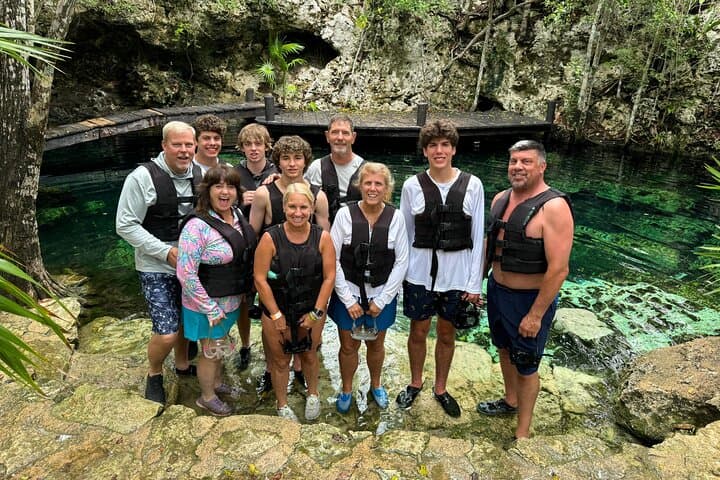
Combine coastal archaeology and jungle adventure on a private day trip from Tulum. Visit seaside Mayan ruins, zipline over a cenote, canoe crystal-clear waters and swim in four distinct sinkholes.
Combine coastal archaeology and jungle adventure on a private day trip from Tulum. Visit seaside Mayan ruins, zipline over a cenote, canoe crystal-clear waters and swim in four distinct sinkholes.
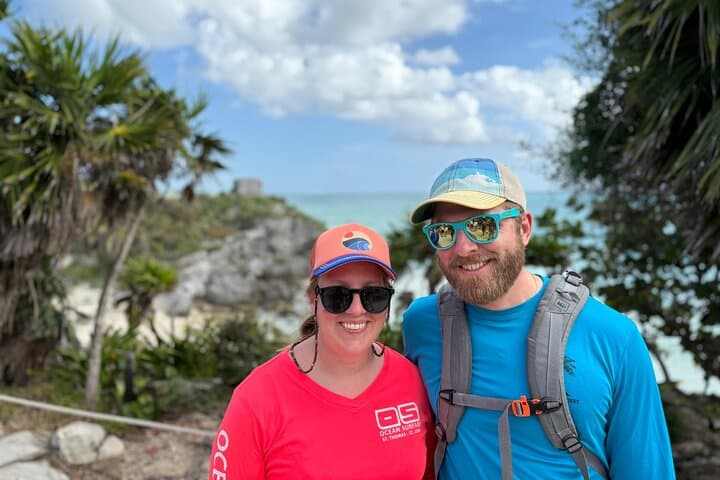
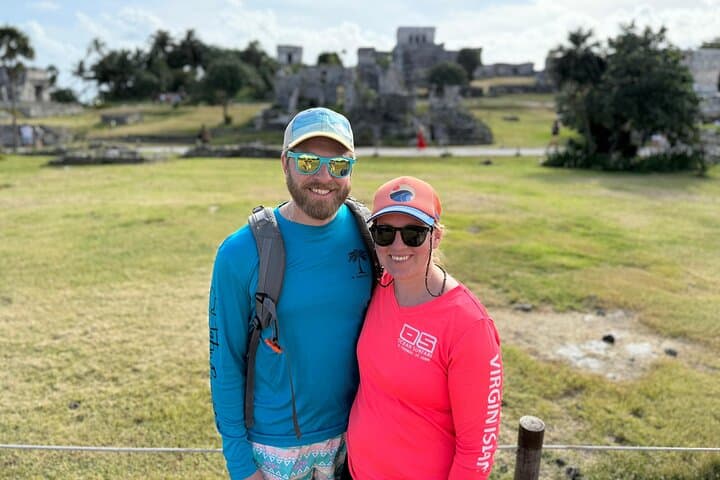
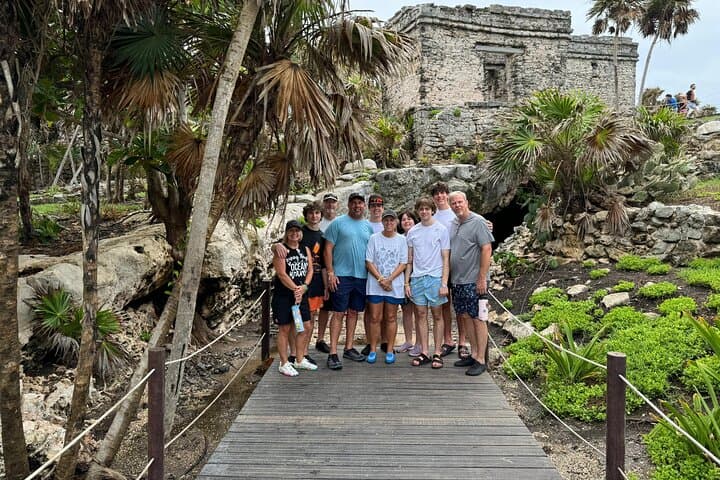
A cool Caribbean breeze lifts the salt off the sea as visitors step through the low wall that frames the Tulum ruins. Stone platforms stand like quiet stages over turquoise water; pelicans wheel above and iguanas sun themselves on the warm masonry. The day moves from open coastal cliffs into thick, humid jungle where shafts of light find hidden sinkholes.
Verified experiences and guided adventures in the surrounding area.
Operated by Travelity Experiences · Tulum, Quintana Roo
A cool Caribbean breeze lifts the salt off the sea as visitors step through the low wall that frames the Tulum ruins. Stone platforms stand like quiet stages over turquoise water; pelicans wheel above and iguanas sun themselves on the warm masonry. The day moves from open coastal cliffs into thick, humid jungle where shafts of light find hidden sinkholes.
Tulum was a Late Postclassic Maya port and ceremonial center, sited deliberately on a 12–15 meter coastal bluff to watch the trade routes. Geologically, the Riviera Maya is a limestone platform scarred by collapsed caverns—cenotes are the visible mouths of that underground freshwater network. Local communities maintain small eco-parks in and around Tulum that combine cultural demonstrations with low-impact adventure: short ziplines, canoeing on calm cenote surfaces, and guided swims through crystal-clear pools.
Expect roughly 1–1.5 km of uneven paths and a handful of stone steps at the archaeological site, followed by short drives into the jungle to reach multiple cenotes. Canoe paddles trace soft ripples; cenote depths commonly range from a few meters to 10–12 m, so basic swimming comfort is required. Guides usually provide towels, water, and a Mayan buffet midday.
Plan for sun protection, quick transitions between beach and freshwater, and modest footwear that can get wet. Start early to avoid midday crowds at the ruins and the hottest sun. This private itinerary balances history and adrenaline—bring a sense of curiosity and leave time to float in the cool, ancient water.
moderate.
8 hours.
Suitable for travelers who can walk on uneven ground, climb short flights of steps and swim short distances
Most cenotes used on organized tours have shallow entry points and life jackets; non-swimmers can participate but should use a life jacket and stay near the guide.
Private tours often include park access and transport; confirm with the operator whether official site entrance is covered in your booking.
Rules vary by eco-park—many set a minimum age around 6–8 years and require weight limits; check with the operator in advance.
Bring small bills for tips, extra snacks, or local crafts—most parks accept cash; some may accept cards but service can be limited.
Tulum was a strategically placed Late Postclassic Maya port and ceremonial site that controlled maritime trade along the eastern Yucatán coast.
Cenotes are part of a karst aquifer—use biodegradable products, avoid touching stalactites or formations, and follow guide rules to limit ecological impact.
Travelity Experiences operates guided outdoor trips and adventures with an emphasis on safety, stewardship, and memorable experiences.
A cool Caribbean breeze lifts the salt off the sea as visitors step through the low wall that frames the Tulum ruins. Stone platforms stand like quiet stages over turquoise water; pelicans wheel above and iguanas sun themselves on the warm masonry. The day moves from open coastal cliffs into thick, humid jungle where shafts of light find hidden sinkholes.
A cool Caribbean breeze lifts the salt off the sea as visitors step through the low wall that frames the Tulum ruins. Stone platforms stand like quiet stages over turquoise water; pelicans wheel above and iguanas sun themselves on the warm masonry. The day moves from open coastal cliffs into thick, humid jungle where shafts of light find hidden sinkholes.
Tulum was a Late Postclassic Maya port and ceremonial center, sited deliberately on a 12–15 meter coastal bluff to watch the trade routes. Geologically, the Riviera Maya is a limestone platform scarred by collapsed caverns—cenotes are the visible mouths of that underground freshwater network. Local communities maintain small eco-parks in and around Tulum that combine cultural demonstrations with low-impact adventure: short ziplines, canoeing on calm cenote surfaces, and guided swims through crystal-clear pools.
Expect roughly 1–1.5 km of uneven paths and a handful of stone steps at the archaeological site, followed by short drives into the jungle to reach multiple cenotes. Canoe paddles trace soft ripples; cenote depths commonly range from a few meters to 10–12 m, so basic swimming comfort is required. Guides usually provide towels, water, and a Mayan buffet midday.
Plan for sun protection, quick transitions between beach and freshwater, and modest footwear that can get wet. Start early to avoid midday crowds at the ruins and the hottest sun. This private itinerary balances history and adrenaline—bring a sense of curiosity and leave time to float in the cool, ancient water.