THE ADVENTURE COLLECTIVE® · Independent discovery and booking for outdoor travel

Spend a day exploring Tulum’s seaside ruins and swim in a cave cenote with a private guide. This full‑day transfer combines a 45‑minute archaeological tour and a 2–2.5 hour cenote visit with transport and bottled water included.
Spend a day exploring Tulum’s seaside ruins and swim in a cave cenote with a private guide. This full‑day transfer combines a 45‑minute archaeological tour and a 2–2.5 hour cenote visit with transport and bottled water included.
You meet your air-conditioned van before dawn; the road to Tulum softens as palms and low limestone ridges slide by. The first light hits the Castillo perched above the Caribbean and the wind off the sea dares you closer — gulls and the tiled roofs of the modern town punctuate the horizon. Your guide leads a structured 45-minute walk through stone stairways and cliff-edge platforms where the Maya once watched ships arrive.
Verified experiences and guided adventures in the surrounding area.
Operated by Chacho Transfers · Tulum, Quintana Roo
You meet your air-conditioned van before dawn; the road to Tulum softens as palms and low limestone ridges slide by. The first light hits the Castillo perched above the Caribbean and the wind off the sea dares you closer — gulls and the tiled roofs of the modern town punctuate the horizon. Your guide leads a structured 45-minute walk through stone stairways and cliff-edge platforms where the Maya once watched ships arrive.
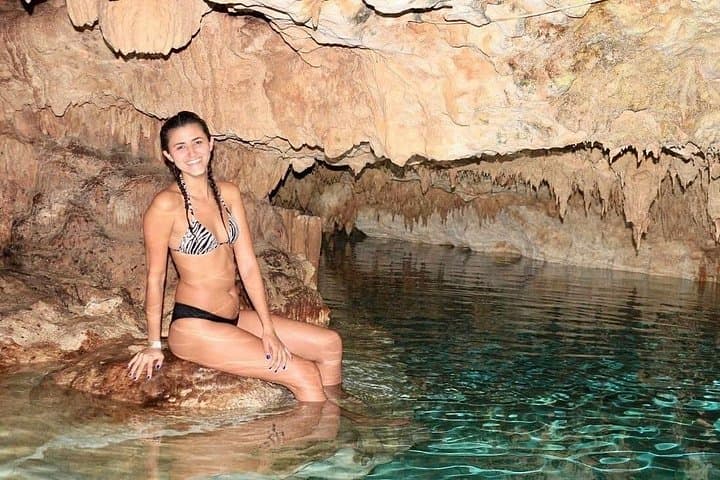
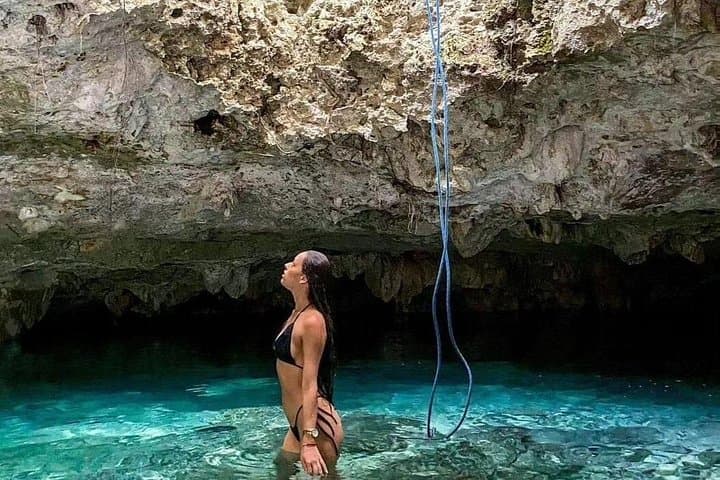
Tulum was a late‑Postclassic walled port—traded goods and ritual life shaped its layout—and the surrounding Yucatán is all limestone: sinkholes formed when the roof of an underground river system collapsed, creating the cenotes the Maya considered sacred. Local guides often explain both the geology and the cultural rituals tied to these water caves; some sites still host optional blessing ceremonies led by community shamans.
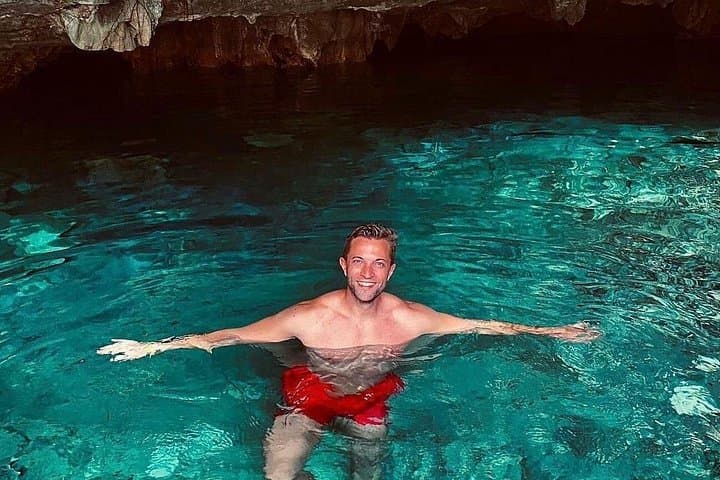
Expect a paced day: roughly 6–8 hours total with hotel pickup, a guided ruins tour, then 2–2.5 hours at a cave cenote where you’ll get a guided orientation and free time to swim, photograph, or shop small artisanal stalls. Terrain is uneven stone steps, jungle trails, and slick cave platforms; water temperatures are cool year-round.
Practical tips: wear sturdy sandals or light hiking shoes for the ruins, bring biodegradable sunscreen, a towel, and a dry bag for electronics. Hydrate before you arrive and budget an hour of downtime at the cenote to change and warm up. The tour combines natural history, Mayan culture, and hands-on time in one of Mexico’s most immediate landscapes.
moderate.
6–8 hours.
Requires moderate fitness: able to walk on uneven stone, climb stairs, and swim in open water.
The private tour runs about 6–8 hours with hotel pickup, a 45‑minute guided Tulum ruins visit, transportation, bottled water, and a 2–2.5 hour cenote visit (guided portion plus free time).
Most cenote parks offer changing areas and basic lockers for a small fee; bring a dry bag and small cash in case facilities charge for storage.
The water can be deep in cave cenotes; non-swimmers should use flotation devices if available and stay within supervised zones—check with your guide before entering.
The operator notes the tour isn’t recommended for pregnant travelers and suggests moderate fitness; children are allowed but should be supervised near water and uneven terrain.
Tulum served as a coastal trading post during the late Classic and Postclassic Maya periods; cenotes were sacred water sources and sites for ritual purification.
Cenote sites limit chemical runoff and often require biodegradable products; respect posted rules, avoid touching stalactites, and support community-run visitor fees.
Chacho Transfers operates guided outdoor trips and adventures with an emphasis on safety, stewardship, and memorable experiences.
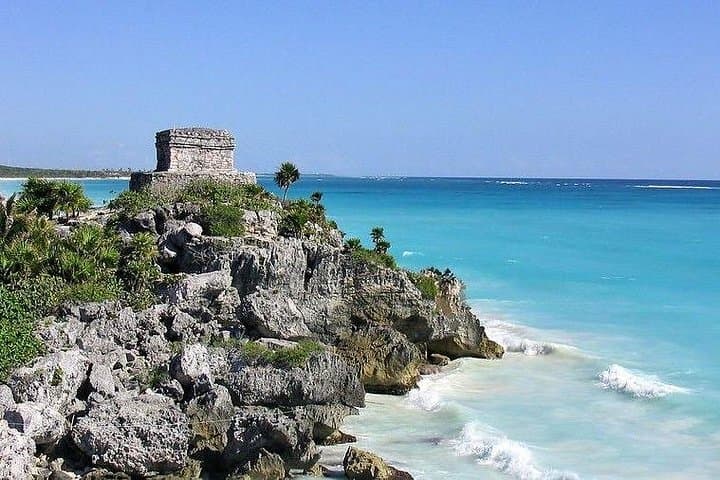
You meet your air-conditioned van before dawn; the road to Tulum softens as palms and low limestone ridges slide by. The first light hits the Castillo perched above the Caribbean and the wind off the sea dares you closer — gulls and the tiled roofs of the modern town punctuate the horizon. Your guide leads a structured 45-minute walk through stone stairways and cliff-edge platforms where the Maya once watched ships arrive.
You meet your air-conditioned van before dawn; the road to Tulum softens as palms and low limestone ridges slide by. The first light hits the Castillo perched above the Caribbean and the wind off the sea dares you closer — gulls and the tiled roofs of the modern town punctuate the horizon. Your guide leads a structured 45-minute walk through stone stairways and cliff-edge platforms where the Maya once watched ships arrive.
Tulum was a late‑Postclassic walled port—traded goods and ritual life shaped its layout—and the surrounding Yucatán is all limestone: sinkholes formed when the roof of an underground river system collapsed, creating the cenotes the Maya considered sacred. Local guides often explain both the geology and the cultural rituals tied to these water caves; some sites still host optional blessing ceremonies led by community shamans.
Expect a paced day: roughly 6–8 hours total with hotel pickup, a guided ruins tour, then 2–2.5 hours at a cave cenote where you’ll get a guided orientation and free time to swim, photograph, or shop small artisanal stalls. Terrain is uneven stone steps, jungle trails, and slick cave platforms; water temperatures are cool year-round.
Practical tips: wear sturdy sandals or light hiking shoes for the ruins, bring biodegradable sunscreen, a towel, and a dry bag for electronics. Hydrate before you arrive and budget an hour of downtime at the cenote to change and warm up. The tour combines natural history, Mayan culture, and hands-on time in one of Mexico’s most immediate landscapes.