THE ADVENTURE COLLECTIVE® · Independent discovery and booking for outdoor travel

Explore the cliff-top Tulum ruins with a private guide, then spend relaxed hours on the Caribbean shore or sampling downtown flavors. This 7‑hour private experience pairs archaeology, coastal geology and local insight with door-to-door transport.
Explore the cliff-top Tulum ruins with a private guide, then spend relaxed hours on the Caribbean shore or sampling downtown flavors. This 7‑hour private experience pairs archaeology, coastal geology and local insight with door-to-door transport.
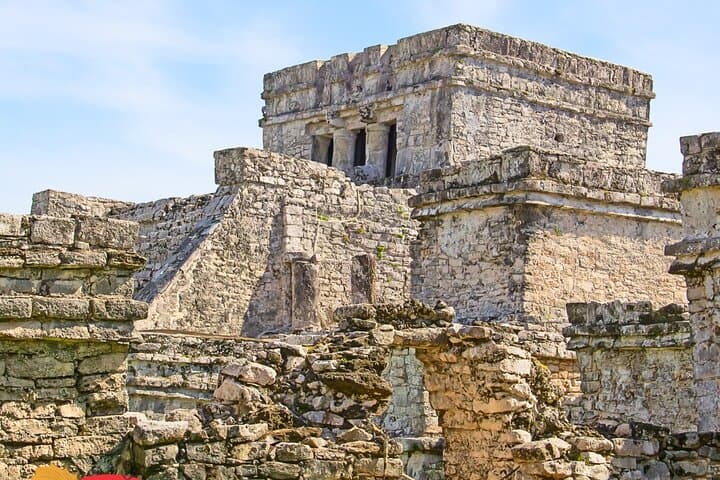
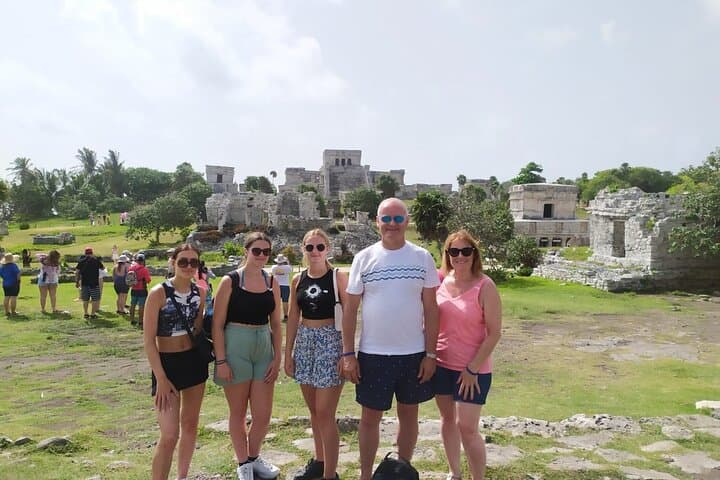
You step out of the air-conditioned vehicle and the Caribbean wind greets you like a careful host — salty, warm, insisting you slow down. The Tulum ruins sit on a low limestone bluff above a turquoise seam of sea; gulls wheel and the surf below dares you to look closer. For three hours a certified guide walks your private group through stone plazas, vaulted temples and watchtowers, translating glyphs into human stories and pointing out how the site’s wall once organized comings and goings.
Verified experiences and guided adventures in the surrounding area.
Operated by Viajes Tours Maya · Tulum, Quintana Roo
You step out of the air-conditioned vehicle and the Caribbean wind greets you like a careful host — salty, warm, insisting you slow down. The Tulum ruins sit on a low limestone bluff above a turquoise seam of sea; gulls wheel and the surf below dares you to look closer. For three hours a certified guide walks your private group through stone plazas, vaulted temples and watchtowers, translating glyphs into human stories and pointing out how the site’s wall once organized comings and goings.
Tulum was a late-Mayan coastal city, active as a trading post in the Postclassic period; its buildings are cut from coral-rich limestone and show signs of centuries of wind, salt and tropical downpours. Geologically, the coast is young reef-front limestone overlaying karst that feeds nearby cenotes; the Mesoamerican Barrier Reef runs offshore and shapes the shoreline you’ll see from the cliffs.
After the ruins the private tour shifts pace: you can choose quiet beach time on powder sand or a short drive to town for tacos and local crafts. The guide provides context on contemporary Tulum — a small town balancing tourism, fishing and Maya heritage — and will point out quieter streets away from the main plaza.
Practical guidance: allow seven hours for the full trip, bring biodegradable sunscreen, a refillable water bottle, sturdy sandals for uneven stone and a hat. Mornings are cooler and less crowded; late afternoon brings softer light for photos. Wear footwear that can handle sand and limestone paths, and keep small bills for vendors or extra food. The tour includes admission and private transport, making this a straightforward way to pair archaeology with a beach afternoon.
easy.
7 hours.
Suitable for most fitness levels; must be able to walk 1–2 miles on uneven, sometimes sandy terrain and climb short stone stair sections.
The full experience runs about seven hours and includes private air‑conditioned transport, admission to the Tulum archaeological zone and bottled water.
Pickup is typically arranged from hotels in the Cancun area; you can choose to return to your hotel, be dropped at the beach or in downtown Tulum at the end of the tour.
No — the tour is rated easy but involves walking on uneven limestone and some short stair sections; bring comfortable footwear and moderate mobility is recommended.
Food is not included; the guide can recommend or take you to downtown restaurants. Tips for guides and drivers are customary but optional.
Tulum was an important late‑postclassic Maya port and ceremonial center; its coastal wall and seaward orientation speak to a mix of trade, defense and maritime observation.
Tulum’s coastline is ecologically sensitive; visitors are encouraged to use reef‑safe products, avoid disturbing wildlife and respect marked access points to prevent erosion.
Viajes Tours Maya operates guided outdoor trips and adventures with an emphasis on safety, stewardship, and memorable experiences.
You step out of the air-conditioned vehicle and the Caribbean wind greets you like a careful host — salty, warm, insisting you slow down. The Tulum ruins sit on a low limestone bluff above a turquoise seam of sea; gulls wheel and the surf below dares you to look closer. For three hours a certified guide walks your private group through stone plazas, vaulted temples and watchtowers, translating glyphs into human stories and pointing out how the site’s wall once organized comings and goings.
You step out of the air-conditioned vehicle and the Caribbean wind greets you like a careful host — salty, warm, insisting you slow down. The Tulum ruins sit on a low limestone bluff above a turquoise seam of sea; gulls wheel and the surf below dares you to look closer. For three hours a certified guide walks your private group through stone plazas, vaulted temples and watchtowers, translating glyphs into human stories and pointing out how the site’s wall once organized comings and goings.
Tulum was a late-Mayan coastal city, active as a trading post in the Postclassic period; its buildings are cut from coral-rich limestone and show signs of centuries of wind, salt and tropical downpours. Geologically, the coast is young reef-front limestone overlaying karst that feeds nearby cenotes; the Mesoamerican Barrier Reef runs offshore and shapes the shoreline you’ll see from the cliffs.
After the ruins the private tour shifts pace: you can choose quiet beach time on powder sand or a short drive to town for tacos and local crafts. The guide provides context on contemporary Tulum — a small town balancing tourism, fishing and Maya heritage — and will point out quieter streets away from the main plaza.
Practical guidance: allow seven hours for the full trip, bring biodegradable sunscreen, a refillable water bottle, sturdy sandals for uneven stone and a hat. Mornings are cooler and less crowded; late afternoon brings softer light for photos. Wear footwear that can handle sand and limestone paths, and keep small bills for vendors or extra food. The tour includes admission and private transport, making this a straightforward way to pair archaeology with a beach afternoon.