THE ADVENTURE COLLECTIVE® · Independent discovery and booking for outdoor travel

Combine a cliff-top visit to the Tulum ruins with snorkeling among Akumal’s sea turtles and a swim in a cavernous cenote. This private day trip blends Mayan history, reef encounters, and subterranean swimming with guided transport and lunch.
Combine a cliff-top visit to the Tulum ruins with snorkeling among Akumal’s sea turtles and a swim in a cavernous cenote. This private day trip blends Mayan history, reef encounters, and subterranean swimming with guided transport and lunch.
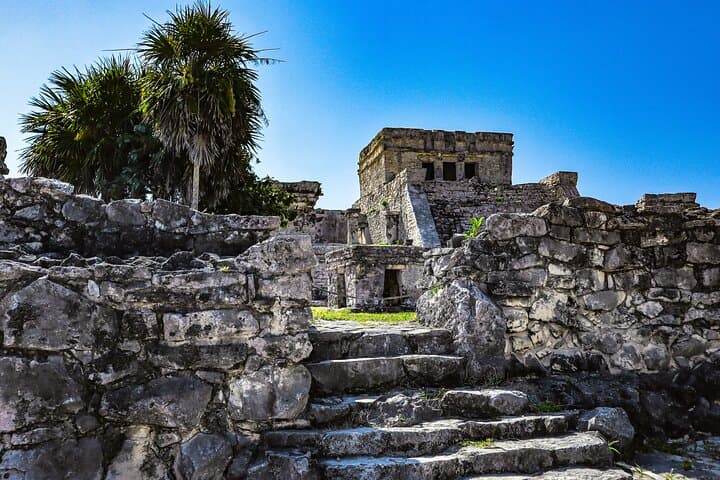
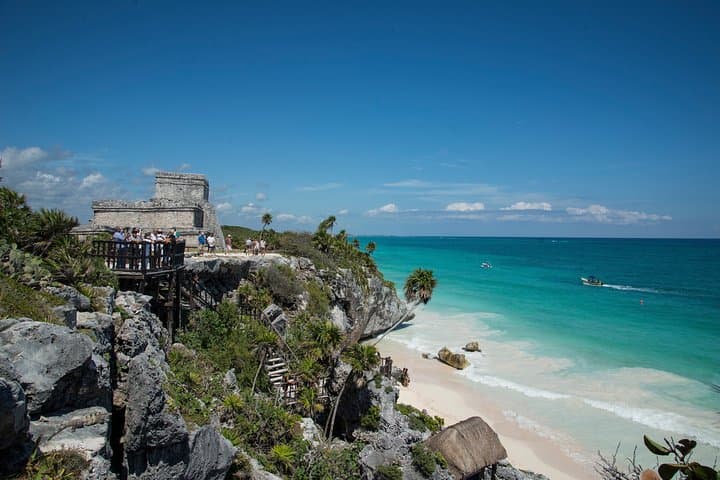
A pale-blue Atlantic horizon watches as the morning minibus eases out of Playa del Carmen, palms swaying like pendulums as the coastroad unfurls toward Tulum’s cliff-edge ruins. The group disembarks to a sea-breeze that roughens hair and memory alike; limestone steps lead up to low stone structures where gulls wheel above the Castillo and salt air cuts the history in clean lines.
Verified experiences and guided adventures in the surrounding area.
Operated by Ocean Tours Mexico · Tulum, Quintana Roo
A pale-blue Atlantic horizon watches as the morning minibus eases out of Playa del Carmen, palms swaying like pendulums as the coastroad unfurls toward Tulum’s cliff-edge ruins. The group disembarks to a sea-breeze that roughens hair and memory alike; limestone steps lead up to low stone structures where gulls wheel above the Castillo and salt air cuts the history in clean lines.
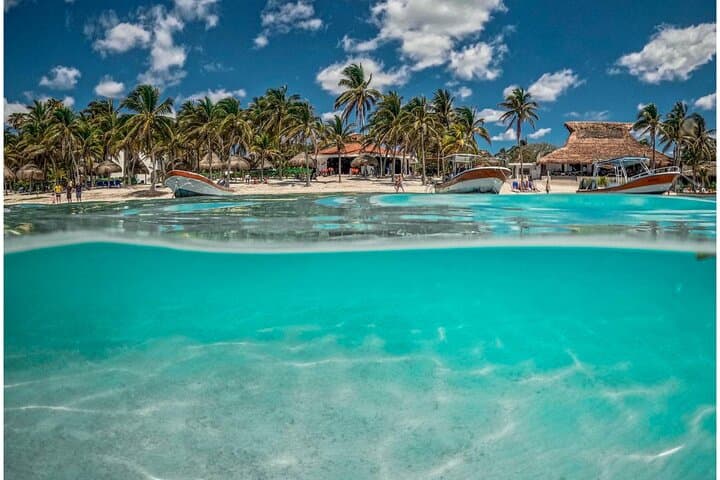
Tulum was a late Maya port—fortified and oriented to sea trade—its coral-limestone platforms shaped by reef-building and erosion. Travel here moves between environments: coastal bluffs, shallow reef lagoons, and the inland karst that gives the Yucatán its cenotes—collapsed cave systems where groundwater reveals stalactites and columns in crystalline light. Akumal (“place of the turtles”) sits in a calm bay where seagrass beds feed threatened green turtles, and nearby cenotes show the region’s geological plumbing in stark form.
Expect three distinct rhythms: an interpretive walk through ruins, gentle guided snorkeling among turtles and reef fish, and a slow, echoing swim in a limestone cenote. Practicalities matter: biodegradable sunscreen, reef-safe behavior, and a short eco-tax are part of the local protocol. Guides explain Mayan cosmology at the ruins, point out reef health issues at Akumal, and brief swimmers on cenote etiquette.
This private, full-day excursion suits travelers who want curated access to landscape, culture, and underwater wildlife in one compact loop—pack swimwear, water shoes, and a curiosity for both history and ecology.
moderate.
6–7 hours.
Comfortable walking (several short stair sections) and ability to swim or snorkel for short periods; suitable for most active travelers.
No — guides provide instruction and snorkel gear; however, basic comfort in the water helps you enjoy turtle encounters more.
The private tour is about 7 hours and typically includes round-trip transport, entrance fees, snorkel gear, lunch, bottled water, and a bilingual guide.
The trip is generally easy but involves steps at Tulum and water entry at beaches and cenotes; it’s not recommended for people with serious back, heart, or pregnancy-related restrictions.
Expect to pay a local eco-tax (around $35 USD), plus tips and any personal purchases; bring cash as not all sites accept cards.
Tulum was a Late Postclassic Maya port and ceremonial centre; its seaside Castillo served as a navigational landmark and defensive position.
The region enforces rules to protect reef and cenote ecosystems — use reef-safe products, avoid touching wildlife, and follow guide instructions to minimize impact.
Ocean Tours Mexico operates guided outdoor trips and adventures with an emphasis on safety, stewardship, and memorable experiences.
A pale-blue Atlantic horizon watches as the morning minibus eases out of Playa del Carmen, palms swaying like pendulums as the coastroad unfurls toward Tulum’s cliff-edge ruins. The group disembarks to a sea-breeze that roughens hair and memory alike; limestone steps lead up to low stone structures where gulls wheel above the Castillo and salt air cuts the history in clean lines.
A pale-blue Atlantic horizon watches as the morning minibus eases out of Playa del Carmen, palms swaying like pendulums as the coastroad unfurls toward Tulum’s cliff-edge ruins. The group disembarks to a sea-breeze that roughens hair and memory alike; limestone steps lead up to low stone structures where gulls wheel above the Castillo and salt air cuts the history in clean lines.
Tulum was a late Maya port—fortified and oriented to sea trade—its coral-limestone platforms shaped by reef-building and erosion. Travel here moves between environments: coastal bluffs, shallow reef lagoons, and the inland karst that gives the Yucatán its cenotes—collapsed cave systems where groundwater reveals stalactites and columns in crystalline light. Akumal (“place of the turtles”) sits in a calm bay where seagrass beds feed threatened green turtles, and nearby cenotes show the region’s geological plumbing in stark form.
Expect three distinct rhythms: an interpretive walk through ruins, gentle guided snorkeling among turtles and reef fish, and a slow, echoing swim in a limestone cenote. Practicalities matter: biodegradable sunscreen, reef-safe behavior, and a short eco-tax are part of the local protocol. Guides explain Mayan cosmology at the ruins, point out reef health issues at Akumal, and brief swimmers on cenote etiquette.
This private, full-day excursion suits travelers who want curated access to landscape, culture, and underwater wildlife in one compact loop—pack swimwear, water shoes, and a curiosity for both history and ecology.