THE ADVENTURE COLLECTIVE® · Independent discovery and booking for outdoor travel

Escape Amsterdam for a private half‑day drive through Beemster polders to Hortus Bulborum, a 17th‑century museum windmill, tulip field photo stops and a Gouda cheese tasting. Ideal for spring visitors who want intimate, off‑the‑beaten‑path access to Holland’s floral heritage.
Escape Amsterdam for a private half‑day drive through Beemster polders to Hortus Bulborum, a 17th‑century museum windmill, tulip field photo stops and a Gouda cheese tasting. Ideal for spring visitors who want intimate, off‑the‑beaten‑path access to Holland’s floral heritage.
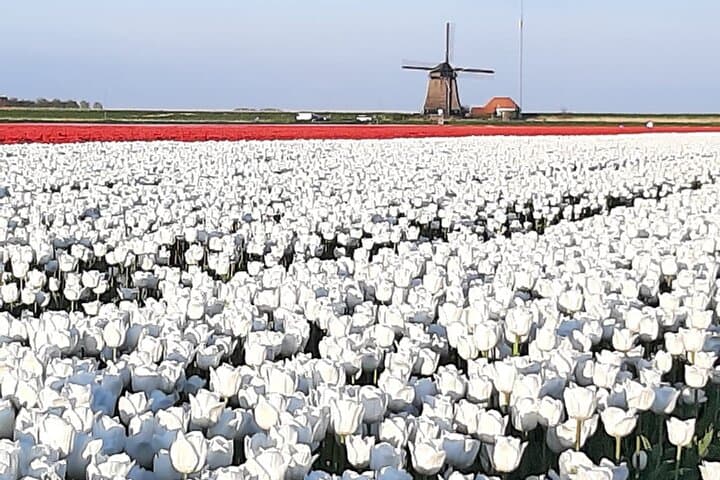
Step out of Amsterdam’s bustle and into a low, bright world of canals, windmilled horizons and blocks of color that seem to stretch to the sky.
Verified experiences and guided adventures in the surrounding area.
Operated by Windmillgirl Tours · Amsterdam, North Holland
Step out of Amsterdam’s bustle and into a low, bright world of canals, windmilled horizons and blocks of color that seem to stretch to the sky.
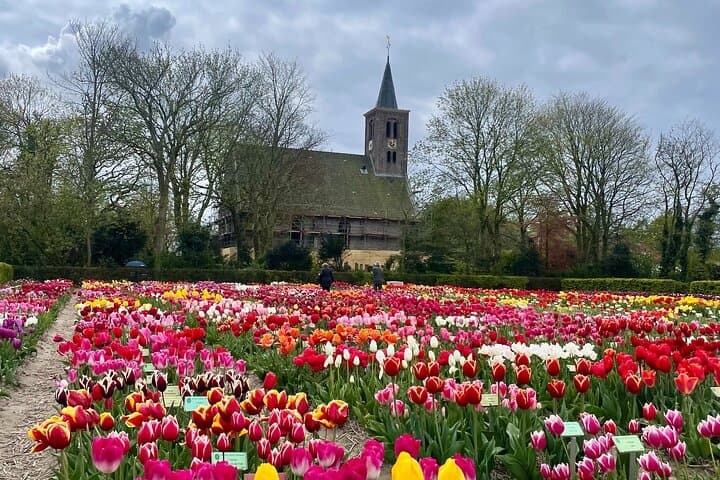
This private half‑day tour threads through northern North Holland: you’ll walk the Hortus Bulborum’s historic spring garden, climb a 17th‑century museum windmill to see vintage pumping gear, pause for field photos, and finish with Gouda‑style cheese tasting at a working dairy farm. The route passes small, picturebook villages such as Graft and De Rijp and crosses the Beemster polder — land reclaimed in the Golden Age and now a UNESCO cultural landscape with a geometric grid of dikes and waterways.
Geology here is human‑made: clay, peat and sand were molded by drainage and Dutch water engineering. The horticultural collection at Hortus Bulborum preserves heirloom bulbs — varieties traced to the tulip mania era — so you’re seeing living horticultural history as well as seasonal spectacle.
Practically: this is an easy, low‑impact outing suited to most walkers. Spring (late March–mid‑May) is tulip season; plan for morning light and avoid midafternoon tour buses if you want quieter fields. Wear supportive shoes for garden paths and farm yards, bring a light rain layer, and keep a small amount of cash for artisan cheeses.
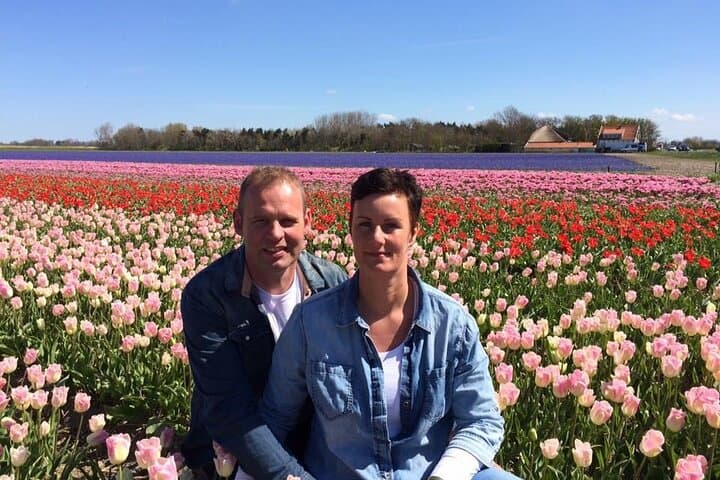
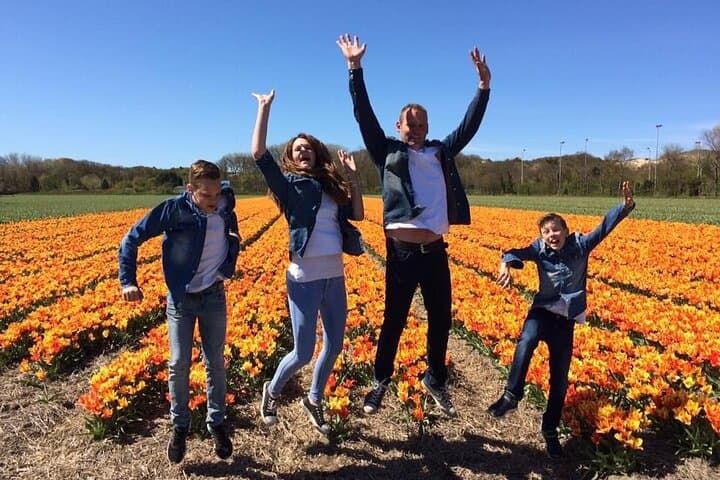
Timing, weather and light change how the colors read; a private tour means flexibility to chase good light or linger at a mill. It’s a compact, sensory half‑day that pairs Dutch rural history with the simple pleasures of flowers and cheese.
easy.
4 hours.
Suitable for most fitness levels; requires short periods of walking and standing and climbing a few mill steps.
Yes—private transportation is provided for the half‑day tour from the agreed pickup point in or near Amsterdam.
Blooms peak roughly March 20–May 15 but exact timing varies by season and weather; the tour runs during the local tulip window for best odds.
Many areas on the itinerary list wheelchair accessibility, but some historic mill interiors have narrow stairs—confirm any mobility needs when booking.
Yes; most farms offer tastings and retail sales of Gouda and farmhouse cheeses—bring a bag for purchases and ask about shipping options for larger buys.
The Beemster polder was drained in the early 1600s and laid out on a rectilinear plan; it represents Dutch Golden Age engineering and landscape planning.
Polder ecosystems and historic bulb varieties are sensitive to trampling and runoff—stick to paths, support local producers and avoid picking bulbs or flowers.
Windmillgirl Tours operates guided outdoor trips and adventures with an emphasis on safety, stewardship, and memorable experiences.
Step out of Amsterdam’s bustle and into a low, bright world of canals, windmilled horizons and blocks of color that seem to stretch to the sky.
Step out of Amsterdam’s bustle and into a low, bright world of canals, windmilled horizons and blocks of color that seem to stretch to the sky.
This private half‑day tour threads through northern North Holland: you’ll walk the Hortus Bulborum’s historic spring garden, climb a 17th‑century museum windmill to see vintage pumping gear, pause for field photos, and finish with Gouda‑style cheese tasting at a working dairy farm. The route passes small, picturebook villages such as Graft and De Rijp and crosses the Beemster polder — land reclaimed in the Golden Age and now a UNESCO cultural landscape with a geometric grid of dikes and waterways.
Geology here is human‑made: clay, peat and sand were molded by drainage and Dutch water engineering. The horticultural collection at Hortus Bulborum preserves heirloom bulbs — varieties traced to the tulip mania era — so you’re seeing living horticultural history as well as seasonal spectacle.
Practically: this is an easy, low‑impact outing suited to most walkers. Spring (late March–mid‑May) is tulip season; plan for morning light and avoid midafternoon tour buses if you want quieter fields. Wear supportive shoes for garden paths and farm yards, bring a light rain layer, and keep a small amount of cash for artisan cheeses.
Timing, weather and light change how the colors read; a private tour means flexibility to chase good light or linger at a mill. It’s a compact, sensory half‑day that pairs Dutch rural history with the simple pleasures of flowers and cheese.