THE ADVENTURE COLLECTIVE® · Independent discovery and booking for outdoor travel

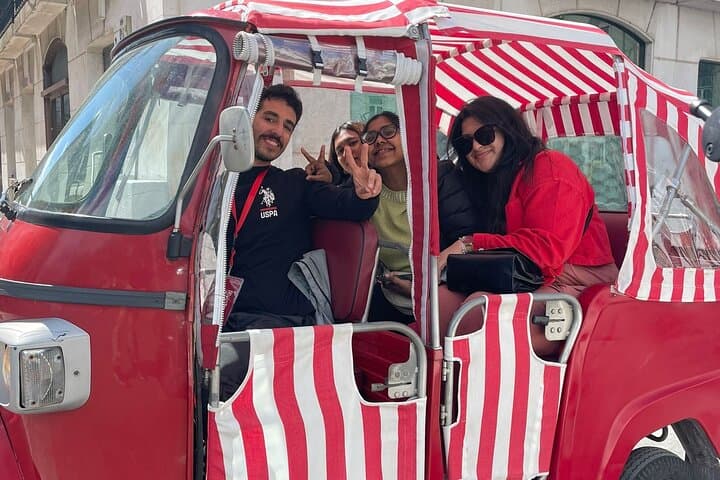
Explore Belém by tuk tuk, pairing short walks to Jerónimos Monastery and Belém Tower with a warm pastel de Belém. This private two-hour ride delivers history, riverside views and local tips without the fatigue of a walking tour.
Explore Belém by tuk tuk, pairing short walks to Jerónimos Monastery and Belém Tower with a warm pastel de Belém. This private two-hour ride delivers history, riverside views and local tips without the fatigue of a walking tour.
You roll out of a narrow Lisbon street into a sunlit plaza and the tuk tuk hums forward, the Tagus opening up on your right like an invitation. The river dares you to look farther — glints, gulls and the long silhouette of Ponte 25 de Abril stretching west. The small electric vehicle moves easily through Belém’s broad avenues, pause-to-pause, giving the neighborhood room to reveal its layers.
Verified experiences and guided adventures in the surrounding area.
Operated by Flow tuk tuk tours · Lisbon, Lisbon
You roll out of a narrow Lisbon street into a sunlit plaza and the tuk tuk hums forward, the Tagus opening up on your right like an invitation. The river dares you to look farther — glints, gulls and the long silhouette of Ponte 25 de Abril stretching west. The small electric vehicle moves easily through Belém’s broad avenues, pause-to-pause, giving the neighborhood room to reveal its layers.
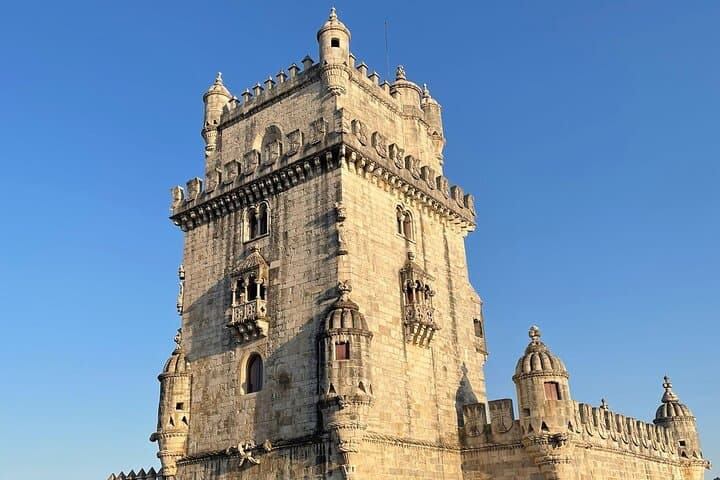
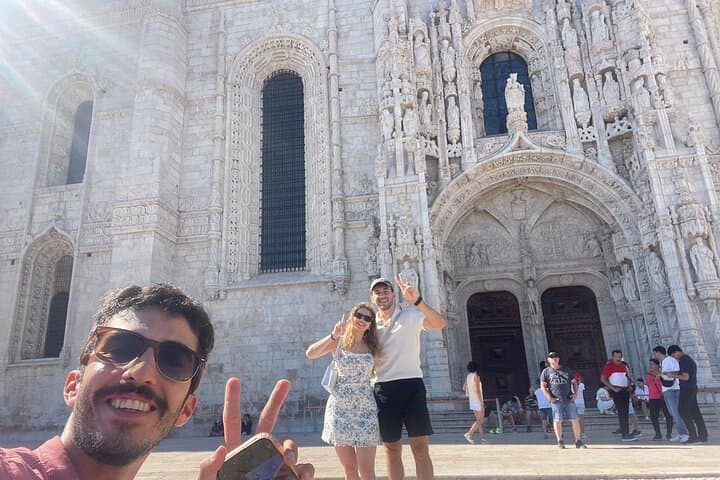
Belém is where Portugal’s maritime ambitions took visible form: Manueline stonework at the Jerónimos Monastery, navigators carved into the Monument to the Discoveries, and a riverside tower once built to guard ships. Geology is simple here — low, fossil-rich limestone sculpted by centuries of wind and salt. Culturally, the neighborhood is equally defined by the ovens that produce pastéis de Belém, a custard tart tied to monastery recipes and civic pride.
Expect short, guided walks from curb to landmark: a 15–30 minute stop at the pastry house, photo time at Belém Tower, and a curated view of the Monument to the Discoveries. Guides usually highlight history and practical navigation—where to stand for light, where to avoid crowds, and which viewpoints catch the afternoon glow on the Tagus.
Practical notes: bring comfortable shoes for cobbles and a light layer for riverside wind; plan this two-hour tour mid-morning or late afternoon to avoid peak pastry lines and midday heat. Hydration and a small daypack keep you mobile between stops. The tuk tuk covers ground, but the best discoveries still happen on foot—listen, look, taste.
easy.
2 hours.
Suitable for most fitness levels; involves brief walks of 10–30 minutes at several stops
Yes; the booking provides a private tuk tuk and guide for your party, so the experience is tailored to your pace.
Admission is required for some sites like the Monastery; the tour includes stops and explanations but not always entrance fees—check the booking details.
Yes; pastéis de Belém are kid-friendly, but inform the operator about allergies or dietary restrictions ahead of time.
Tuk tuks are compact but can accommodate strollers folded; short walks involve cobbles—contact the operator about specific mobility needs.
Belém was the launch point for Portugal’s 15th-century Age of Discoveries; monuments and monasteries commemorate navigators and the trade routes they opened.
High visitor numbers can stress historic sites—follow designated paths, avoid touching stonework and support local cafés and museums to sustain conservation efforts.
Flow tuk tuk tours operates guided outdoor trips and adventures with an emphasis on safety, stewardship, and memorable experiences.

You roll out of a narrow Lisbon street into a sunlit plaza and the tuk tuk hums forward, the Tagus opening up on your right like an invitation. The river dares you to look farther — glints, gulls and the long silhouette of Ponte 25 de Abril stretching west. The small electric vehicle moves easily through Belém’s broad avenues, pause-to-pause, giving the neighborhood room to reveal its layers.
You roll out of a narrow Lisbon street into a sunlit plaza and the tuk tuk hums forward, the Tagus opening up on your right like an invitation. The river dares you to look farther — glints, gulls and the long silhouette of Ponte 25 de Abril stretching west. The small electric vehicle moves easily through Belém’s broad avenues, pause-to-pause, giving the neighborhood room to reveal its layers.
Belém is where Portugal’s maritime ambitions took visible form: Manueline stonework at the Jerónimos Monastery, navigators carved into the Monument to the Discoveries, and a riverside tower once built to guard ships. Geology is simple here — low, fossil-rich limestone sculpted by centuries of wind and salt. Culturally, the neighborhood is equally defined by the ovens that produce pastéis de Belém, a custard tart tied to monastery recipes and civic pride.
Expect short, guided walks from curb to landmark: a 15–30 minute stop at the pastry house, photo time at Belém Tower, and a curated view of the Monument to the Discoveries. Guides usually highlight history and practical navigation—where to stand for light, where to avoid crowds, and which viewpoints catch the afternoon glow on the Tagus.
Practical notes: bring comfortable shoes for cobbles and a light layer for riverside wind; plan this two-hour tour mid-morning or late afternoon to avoid peak pastry lines and midday heat. Hydration and a small daypack keep you mobile between stops. The tuk tuk covers ground, but the best discoveries still happen on foot—listen, look, taste.